
How Physiotherapy for Back Pain Works

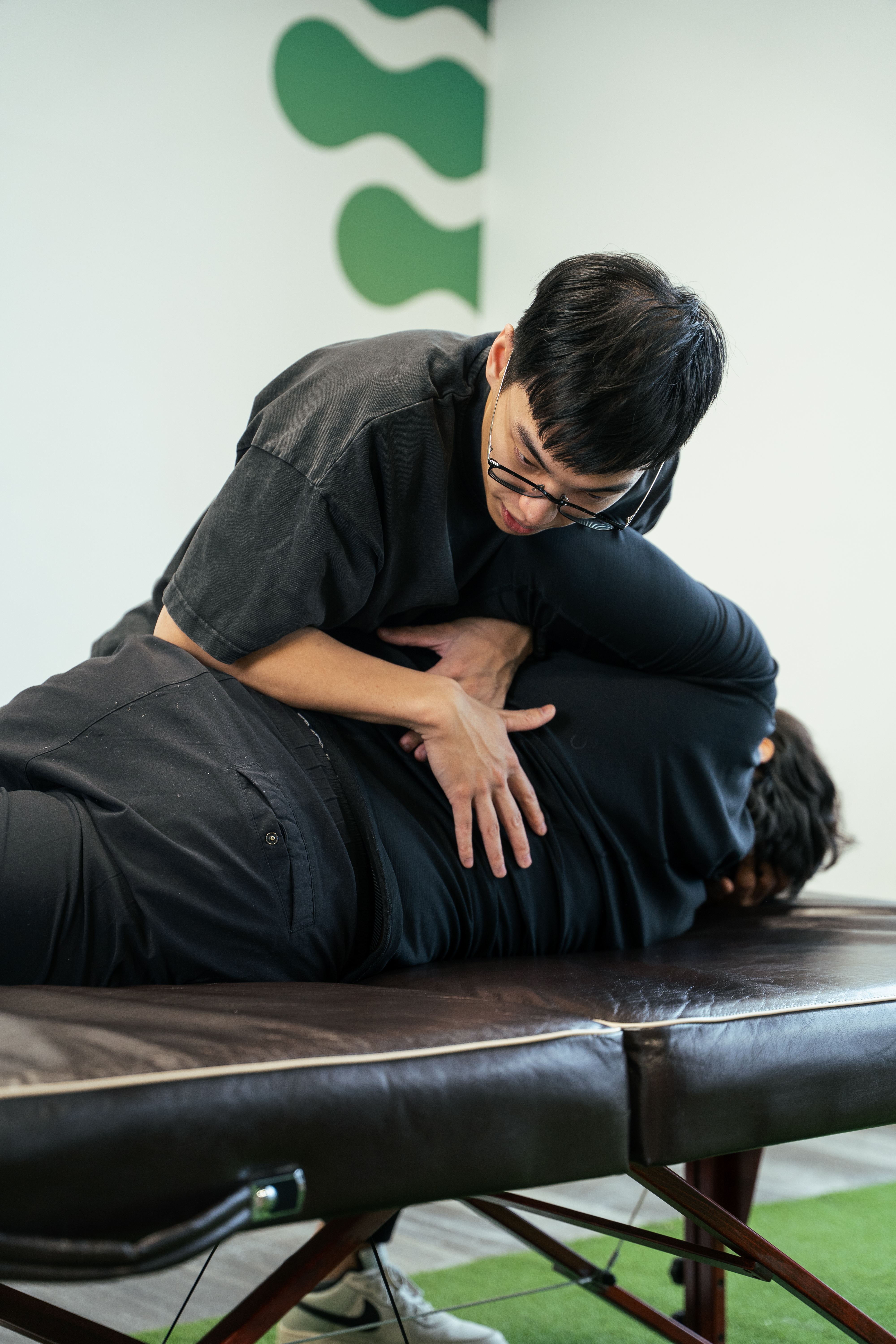
Back discomfort can interfere with daily activities, work productivity, and overall mobility. Many people seek solutions that address the underlying cause rather than temporarily masking symptoms. Physiotherapy for back pain focuses on restoring movement, relieving strain, and improving muscle strength to support the spine. With guided exercises, posture correction, and hands-on techniques, this approach helps individuals regain comfort and maintain long-term spinal health. Understanding how physiotherapy works can make a significant difference in recovery and prevention.
Common Causes of Back Pain
Back pain can stem from a combination of lifestyle, physical, and environmental factors. Poor posture while sitting or standing for extended periods places unnecessary pressure on the spine. Repetitive lifting, sudden muscle strain, and overexertion during activities can irritate muscles and ligaments. Even small habits, like slouching or leaning forward frequently, can gradually contribute to discomfort. Identifying these contributing factors is essential for effective recovery.
Weak core muscles and spinal misalignment further increase the risk of persistent pain. Past injuries, sedentary behavior, and prolonged hours at a desk can all exacerbate the condition. Physiotherapy for back pain is most effective when tailored to the individual’s specific causes. Early intervention helps prevent minor discomfort from escalating into chronic pain, allowing better long-term outcomes for mobility and quality of life.
How Physiotherapy Supports Spinal Health
Physiotherapy for back pain focuses on restoring proper spinal function and reducing pressure on affected areas. Therapists combine exercises, stretching, and hands-on techniques to improve joint mobility and relieve tension in surrounding muscles. These treatments aim to enhance flexibility and encourage correct spinal alignment, which often alleviates discomfort. Over time, patients typically notice improved posture and a greater range of motion, making daily activities easier to manage.
Beyond immediate relief, physiotherapy addresses underlying causes of pain, creating long-term benefits. Strengthened muscles surrounding the spine support its structure, reducing the risk of further injury. By promoting a healthier spine and improved overall movement, physiotherapy for back pain encourages functional independence. The holistic approach combines prevention, rehabilitation, and education to optimize overall spinal health.
Assessment Before Starting Treatment
Before beginning any physiotherapy program, a comprehensive assessment is essential. Therapists examine posture, muscle strength, flexibility, and joint range of motion to determine which areas are contributing to pain. Some assessments may also include gait analysis, functional movement tests, or identifying imbalances in the body. This information ensures that a treatment plan is personalized and directly targets the source of discomfort.
Tailoring the approach to each patient’s needs increases the effectiveness of physiotherapy for back pain. By understanding individual limitations and weaknesses, therapists can design exercises and interventions that address the root cause, not just symptoms. This detailed evaluation provides a foundation for a structured plan that promotes safe, efficient recovery while reducing the likelihood of recurring pain.
Exercises That Strengthen the Back
Strengthening exercises are a central part of physiotherapy for back pain. These movements focus on the core, lower back, and supporting muscles that stabilize the spine. Common exercises include bridges, pelvic tilts, and controlled stretches designed to improve flexibility, muscle endurance, and overall spinal support. Regular practice helps reduce strain on muscles and joints, allowing the spine to move more efficiently during daily activities.
Consistency is essential for long-term benefits. Stronger muscles surrounding the spine not only improve posture but also help prevent future injuries. Incorporating exercises into a daily routine makes bending, lifting, and standing for prolonged periods safer. Over time, patients experience enhanced mobility, reduced discomfort, and better overall stability, making physiotherapy for back pain a sustainable and effective solution for maintaining spinal health.
Posture and Movement Awareness
Daily habits have a major impact on back health. Physiotherapy for back pain focuses on teaching patients how to maintain proper posture while sitting, standing, or performing routine activities. Ergonomic adjustments, including chair height, foot positioning, and workstation setup, are emphasized to reduce strain on the spine. Learning how to move mindfully helps minimize stress on muscles and joints.
Awareness also includes safe lifting techniques and avoiding repetitive strain. Patients are guided to recognize postural patterns that contribute to discomfort and to make corrections throughout the day. Over time, these adjustments support spinal alignment, prevent recurring pain, and promote long-term back health. Movement awareness becomes an essential aspect of a comprehensive physiotherapy program for lasting relief and improved mobility.

Manual Therapy and Muscle Relief
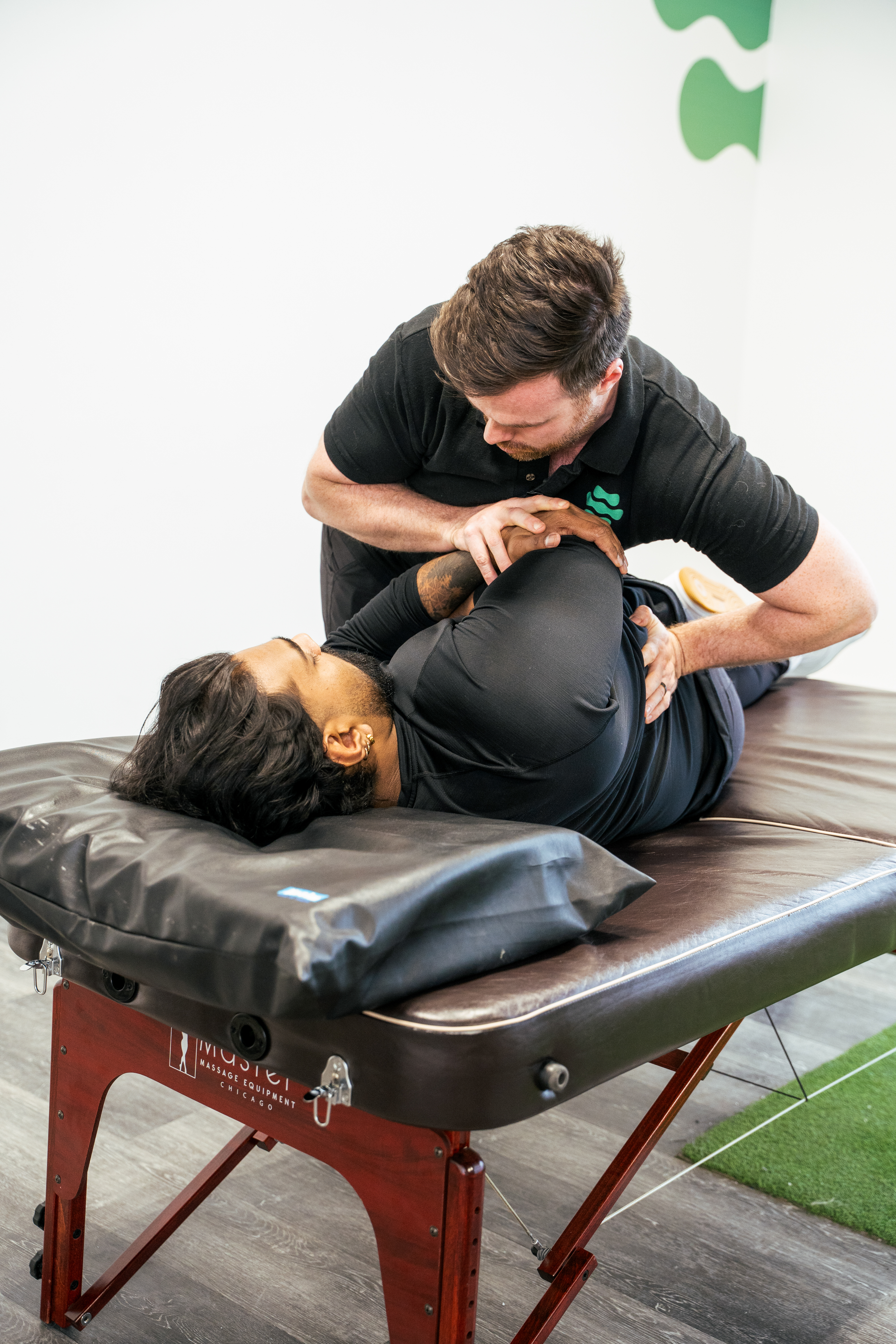
Manual therapy is a hands-on treatment used in physiotherapy for back pain to relieve tension and improve mobility. Techniques such as soft tissue mobilization, joint manipulation, and targeted stretching help relax tight muscles, improve flexibility, and reduce stiffness. This approach increases blood flow to the affected areas, encouraging natural healing and supporting faster recovery.
When combined with exercise and posture correction, manual therapy provides a holistic approach to back care. It addresses both muscles and joints, helping patients regain mobility while alleviating pain. Manual therapy can also correct muscle imbalances that contribute to recurring discomfort. By complementing strengthening exercises, this approach enhances the overall effectiveness of physiotherapy for back pain.
Gradual Improvement Through Consistent Care
Recovery from back pain is a gradual process that requires patience and regular effort. Physiotherapy for back pain is most effective when patients attend scheduled sessions and follow their home exercise routines consistently. Gradual progress allows the body to adapt to new movements, build strength, and restore flexibility without risking further injury. Regular engagement ensures that improvements are sustainable and long-lasting.
Over time, patients notice reduced pain, enhanced confidence in performing daily activities, and improved posture. Consistent physiotherapy also helps prevent relapses by reinforcing correct movement patterns and strengthening supporting muscles. The cumulative effect of ongoing care supports long-term spinal health, making daily tasks easier and more comfortable while reducing the risk of future back issues.
Everyday Activities and Back Support
Simple lifestyle adjustments can make a significant difference in back health. Alternating between sitting and standing, taking short stretch breaks, and using supportive footwear can reduce strain on the spine. Adjustments to chair height, workstation setup, and body positioning during daily tasks are equally important to support proper posture and minimize discomfort.
Integrating these habits into everyday routines reinforces the benefits of physiotherapy for back pain. Consistently supporting the spine helps maintain progress achieved through treatment and reduces the likelihood of recurring discomfort. Combining exercises, manual therapy, and lifestyle adjustments creates a comprehensive approach to pain management, promoting long-term spinal health and making daily movements safer and more comfortable.
Frequently Asked Questions
What conditions can physiotherapy for back pain address?
Physiotherapy for back pain can assist with muscle strain, postural imbalances, spinal stiffness, herniated discs, and other movement limitations. It helps improve mobility, reduce discomfort, and restore functional daily activity.
How long does physiotherapy for back pain usually take?
The duration of physiotherapy depends on severity and individual response. Mild discomfort may improve within a few weeks, while chronic or complex issues may require several months of consistent therapy and follow-up care.
Are exercises always part of physiotherapy for back pain?
Yes, exercises are a critical component. They strengthen muscles supporting the spine, improve flexibility, enhance range of motion, and promote overall mobility. Exercise helps ensure lasting relief from recurrent back pain.
Can physiotherapy for back pain prevent future discomfort?
Physiotherapy reduces the likelihood of future pain by teaching proper posture, strengthening core and back muscles, and improving movement patterns. This preventative approach supports long-term spinal health and reduces injury risk.
Is physiotherapy for back pain suitable for office workers?
Office workers often experience back strain from prolonged sitting and poor posture. Physiotherapy provides core strengthening, posture correction, and ergonomic guidance, making it an ideal solution for maintaining spinal health in daily routines.
Conclusion
For anyone experiencing back discomfort, Revibe in Mississauga offers professional physiotherapy for back pain designed to restore movement and reduce strain. Sessions focus on strengthening muscles that support the spine while improving flexibility and posture. A combination of guided exercises, manual therapy, and movement education helps enhance comfort and prevent future issues.
Booking an appointment is simple by calling 289-806-5123, providing direct access to personalized care. Whether recovering from a recent injury or managing ongoing discomfort, Revibe delivers a structured program to support pain relief and long-term wellness. With consistent treatment, daily activities become easier, safer, and more comfortable, making spinal health a priority in everyday life.