
Effective Neck Pain Treatment Physiotherapy

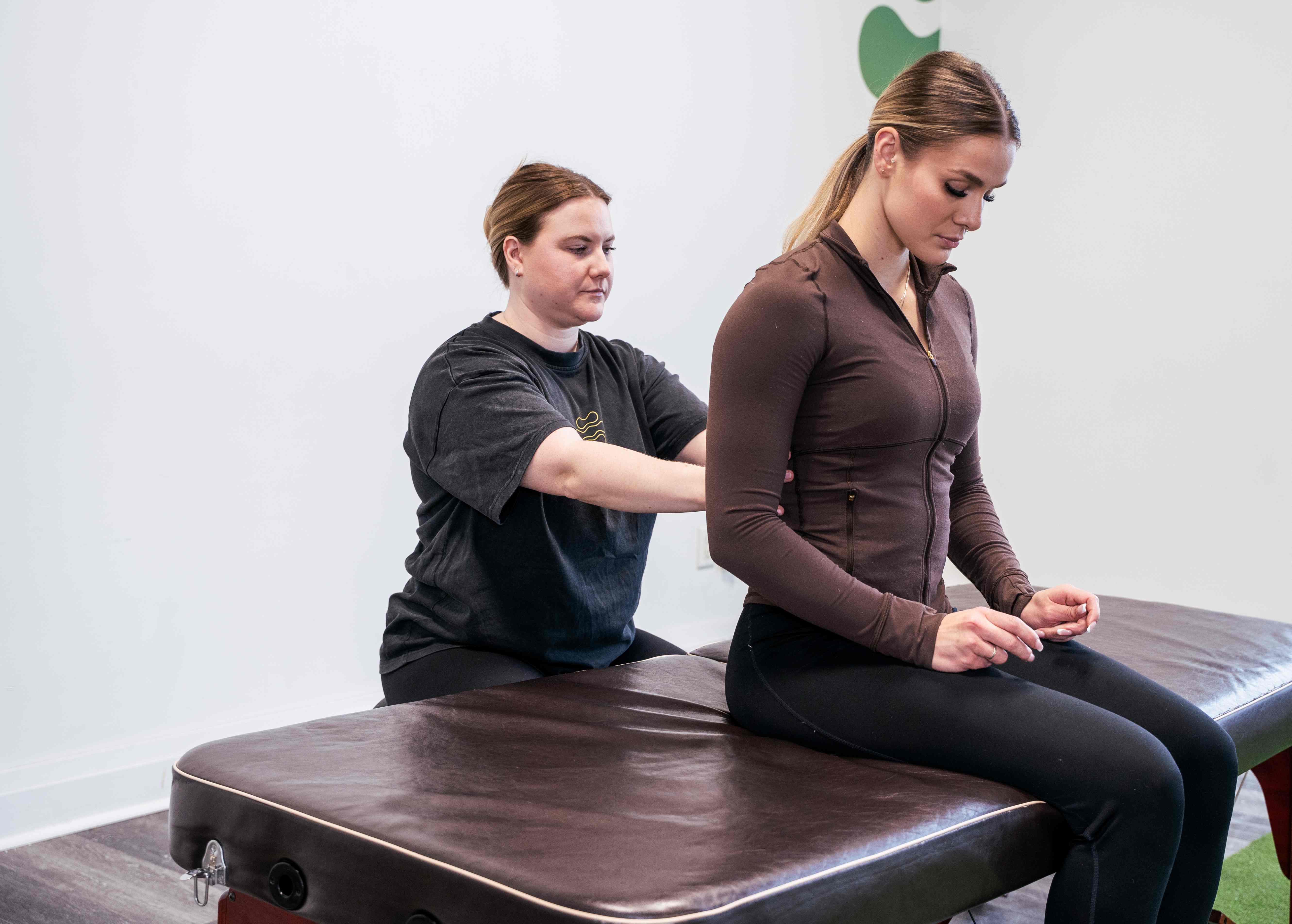
Neck discomfort can interfere with daily routines, work activities, and overall mobility. Long hours at a desk, poor posture, repetitive movements, or sudden strain may cause stiffness, tension, and reduced neck movement. These issues often make simple tasks like turning the head or using digital devices uncomfortable. Neck pain treatment physiotherapy focuses on identifying the cause of discomfort while improving posture, muscle balance, and joint mobility. Through guided exercises and movement support, physiotherapy helps individuals restore flexibility, reduce tension, and maintain healthier neck function.
Understanding Common Causes of Neck Discomfort
Neck discomfort can develop from several everyday habits and physical conditions. One of the most common causes is prolonged sitting while working at a computer or looking down at mobile devices. This forward head position places extra strain on the cervical spine and surrounding muscles. Other contributing factors may include muscle overuse, repetitive movements, poor sleeping positions, and minor injuries. Even emotional stress can cause muscles in the neck and shoulders to tighten, which may lead to stiffness and soreness.
When discomfort persists or begins to affect movement, individuals often explore neck pain treatment physiotherapy to better understand the source of the issue. A physiotherapy approach focuses on identifying movement limitations, muscle imbalance, and posture habits that may be contributing to the discomfort. By addressing these factors, physiotherapy aims to improve the body's natural movement patterns and reduce strain placed on the neck during daily activities.
How Posture Influences Neck Health
Posture plays a major role in the health of the cervical spine. The neck supports the weight of the head, which can place significant pressure on the spine when posture is not aligned properly. When individuals lean forward while using devices or slouch while sitting, the neck muscles must work harder to support the head. Over time, this additional strain can lead to muscle fatigue, stiffness, and limited mobility. Poor posture may also contribute to tension spreading into the shoulders and upper back.
Neck pain treatment physiotherapy often includes posture assessment to evaluate how a person sits, stands, and moves throughout the day. Physiotherapists may identify habits that place unnecessary pressure on the neck and guide individuals toward more balanced positioning. Improving posture can help reduce muscular tension and support healthier alignment of the cervical spine.
Signs That Indicate You May Need Physiotherapy
Many individuals initially ignore mild neck discomfort, assuming it will resolve on its own. However, certain signs may indicate that professional care could be beneficial. Common signs include persistent stiffness, difficulty turning the head, discomfort when sitting for long periods, or tension spreading from the neck to the shoulders. Some individuals may also experience headaches that originate from tight neck muscles.
When these symptoms begin affecting everyday tasks or continue for extended periods, neck pain treatment physiotherapy may help evaluate the underlying cause. Physiotherapists assess mobility, muscle strength, and joint movement to better understand the condition. Seeking guidance early may help individuals address movement restrictions before they develop into more complex issues.

What Happens During a Physiotherapy Assessment
A physiotherapy assessment is designed to evaluate how the neck and surrounding structures function during movement. The process usually begins with a discussion about symptoms, daily activities, and the situations in which discomfort appears. The physiotherapist may observe posture, examine neck movement, and assess muscle flexibility and strength. Gentle physical tests help determine whether the discomfort is related to muscle tension, joint mobility, or movement patterns.
During neck pain treatment physiotherapy, this assessment allows the physiotherapist to develop a personalized plan focused on improving mobility and supporting the body's natural movement. Understanding the source of neck discomfort helps guide appropriate exercises and techniques that aim to restore balance in the cervical spine and surrounding muscles.
Techniques Used in Neck Pain Treatment Physiotherapy
Physiotherapy programs often include several techniques designed to support neck mobility and muscle function. Each treatment plan is tailored to the individual’s condition and physical needs. Manual therapy may be used to gently mobilize joints and reduce muscle tension in the neck and upper back. These techniques aim to improve movement and relieve stiffness in the affected area. Guided exercises are another important part of neck pain treatment physiotherapy.
These exercises focus on strengthening muscles that support the neck and improving flexibility in surrounding areas such as the shoulders and upper back. Posture education is also frequently included. By learning how to maintain proper alignment during daily activities, individuals can reduce strain on the cervical spine and prevent recurring tension. Together, these techniques work to improve movement patterns and support healthier neck function over time.
Muscle Tension and Limited Mobility in the Neck
Muscle tension is one of the most common reasons individuals experience neck discomfort. When muscles remain tight for extended periods, they may restrict movement and create stiffness throughout the cervical region. Limited mobility can also affect nearby areas such as the shoulders and upper back. This may cause discomfort when performing activities that involve turning the head or lifting objects.
Neck pain treatment physiotherapy addresses these concerns by focusing on both flexibility and muscle balance. Gentle stretching techniques may help release tension, while strengthening exercises improve the stability of the neck. Over time, improving muscle balance allows the neck to move more freely and comfortably during everyday activities.
Improving Daily Movement Habits
Daily movement habits play a major role in neck comfort. Many people unknowingly perform activities that place strain on the neck, especially when working long hours at a desk or frequently using digital devices. Simple changes in routine can make a meaningful difference. Adjusting screen height, maintaining an upright sitting position, and taking regular movement breaks may help reduce strain on the cervical spine.
Neck pain treatment physiotherapy often includes guidance on safe movement patterns during work and everyday tasks. Learning how to position the body properly during activities such as lifting, sitting, and driving can support healthier spinal alignment. Consistent awareness of posture and movement can help reduce unnecessary pressure on the neck and promote long-term comfort.

Everyday Activities That May Affect Neck Comfort
Several daily activities can influence how the neck feels throughout the day. Prolonged device use is one of the most common contributors to neck tension. Looking down at phones or tablets for extended periods increases pressure on the cervical spine. Sleeping positions may also affect neck comfort. Pillows that do not support the natural curve of the neck can cause stiffness upon waking.
Driving posture, reading positions, and prolonged sitting may also contribute to muscle fatigue. When the neck remains in the same position for long periods, muscles can become tight and uncomfortable. Through neck pain treatment physiotherapy, individuals often gain better awareness of these everyday habits. Small adjustments in posture, movement, and positioning can help reduce strain and support healthier neck mechanics.
Frequently Asked Questions
What conditions can neck pain treatment physiotherapy help address?
Neck pain treatment physiotherapy may support individuals experiencing muscle tension, posture-related discomfort, limited neck mobility, and strain caused by repetitive activities or prolonged sitting.
How long does physiotherapy for neck discomfort usually take?
The duration varies depending on the individual and the underlying condition. Some people notice improvement after several sessions, while others may follow a longer program to support mobility and muscle balance.
Are exercises always included in physiotherapy programs?
Exercises are commonly included because they help strengthen muscles that support the neck and improve flexibility. These guided movements are designed to support healthier neck function.
Can physiotherapy help reduce recurring neck tension?
Physiotherapy often focuses on posture awareness and movement habits. By improving these factors, individuals may reduce the likelihood of recurring neck discomfort.
Who may benefit from neck pain treatment physiotherapy?
Individuals experiencing stiffness, tension, or difficulty moving the neck due to work habits, posture strain, or mild injuries may consider neck pain treatment physiotherapy as part of their care approach.
Conclusion
Neck discomfort can affect movement, posture, and overall comfort when left unaddressed. Daily habits such as prolonged sitting, repetitive tasks, and poor posture may gradually place strain on the cervical spine and surrounding muscles. Recognizing these factors early can help individuals improve mobility and reduce ongoing tension.
Neck pain treatment physiotherapy offers a structured approach to understanding the source of discomfort while supporting healthier movement patterns. Through professional assessment, guided exercises, and posture awareness, physiotherapy focuses on improving flexibility, muscle balance, and overall neck function.
Those seeking professional support can explore neck pain treatment physiotherapy at Revibe in Mississauga. For more information or to schedule an appointment, contact Revibe at 289-806-5123 to learn more about available physiotherapy care options.