






Care Map results
Your 3 focus areas
Recommended tools
Your main concern or goal
Ready to get started?
- Mississauga: (905) 783-8423
- Markham: (289) 806-5123
- revibeto.com
Follow us
- Instagram: @timetorevibe
- Facebook: Revibe
- LinkedIn: Revibe
Registered pelvic floor physiotherapists for leaking, pelvic pain, pregnancy and postpartum recovery, prolapse and men's pelvic health. Private, unhurried care at every Revibe clinic.
5.0 on Google from 700+ reviews. Your session is in a closed room, and an internal assessment is always optional.

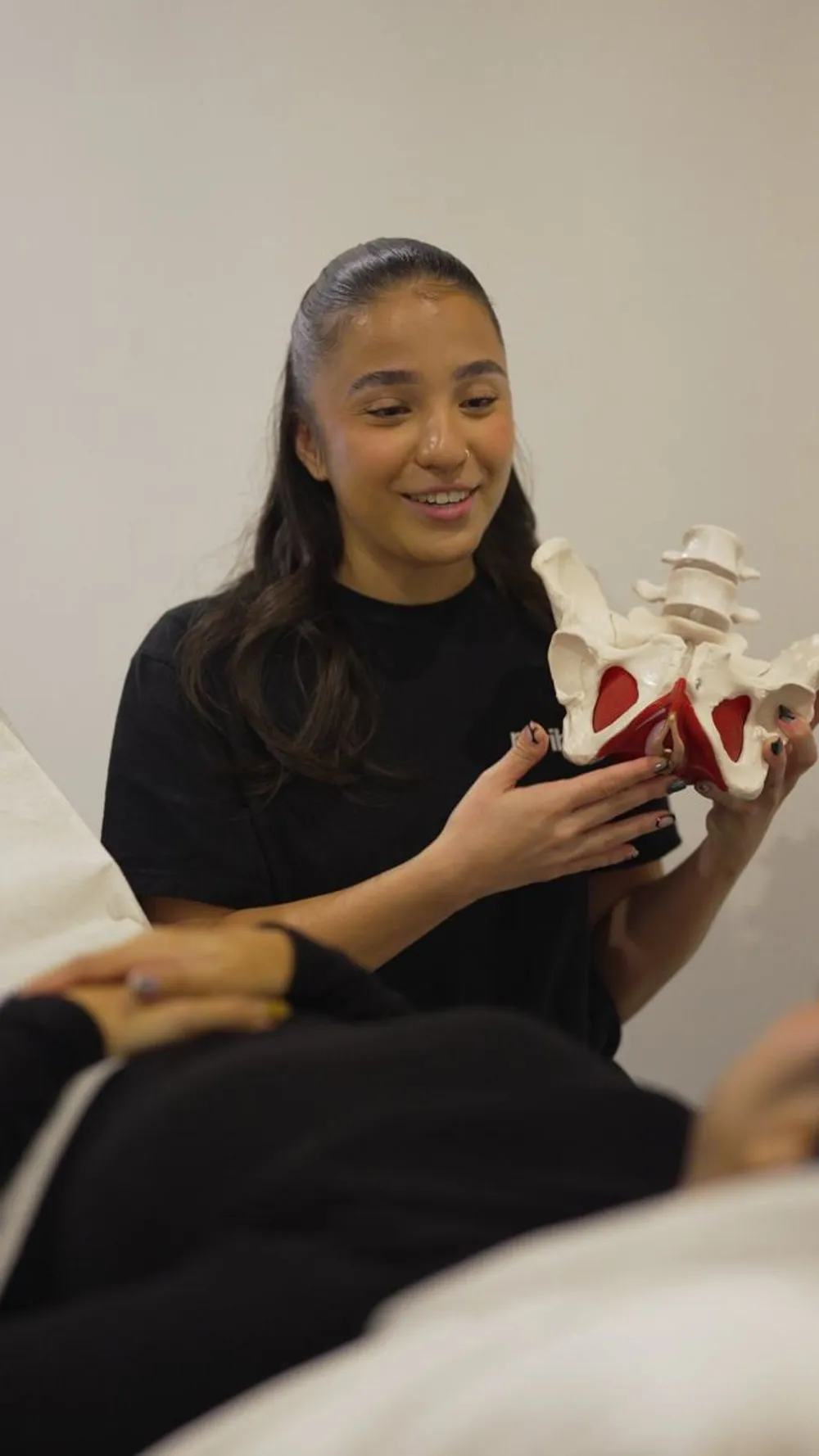
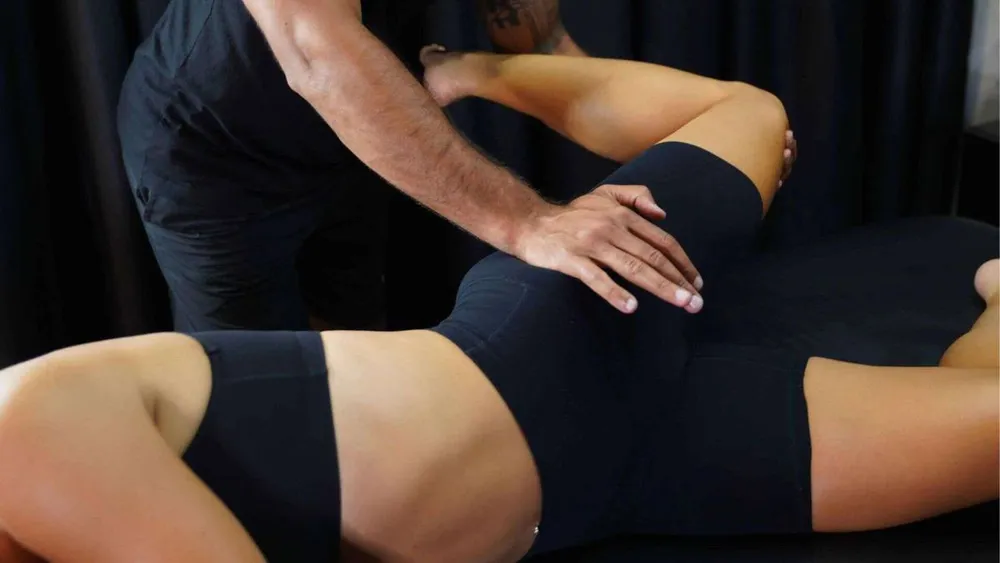
Most people wait years before they book, because they think it is normal or they are embarrassed. It is common and it is treatable. If one of these sounds like you, book an assessment. Everything you tell us stays in the room.
A long, private first session. Nothing happens without your consent, and an internal assessment is optional.

Your history, bladder and bowel habits, pain, pregnancies, surgeries and what you want to get back to. This is most of the picture.
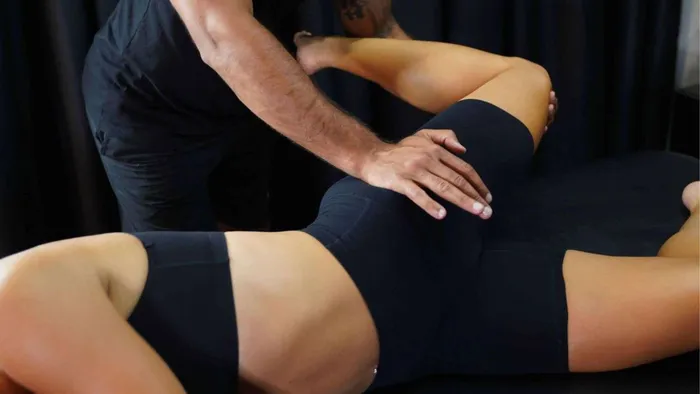
Posture, breathing, how your core and pelvic floor work together. An internal assessment only if you want it, explained first.

Manual therapy, pelvic floor training with biofeedback where it helps, and bladder or bowel retraining.

A home program and a plan with a target number of sessions. Most people start to notice change within a few weeks.
The assessment decides the plan. These are the conditions our pelvic floor physiotherapists treat most.
Stress, urge and mixed incontinence, overactive bladder, incomplete emptying.
Painful intercourse, chronic pelvic pain, endometriosis and vulvodynia support.
Pelvic girdle and back pain, preparing the pelvic floor for labour and delivery.
Diastasis recti, C-section and perineal scar tissue, return to exercise.
Strengthening and movement strategies to reduce symptoms, often without surgery.
Constipation, straining and fecal incontinence, through coordination and mechanics.
Post-prostatectomy incontinence, chronic pelvic pain and erectile dysfunction linked to muscle tension.
Dryness, discomfort and changes in bladder control.
Pelvic health at Revibe sits inside a performance therapy clinic, so the care is private and unhurried, and the rest of your body is treated by the same team.


Registered physiotherapists with additional training in pelvic health, licensed by the College of Physiotherapists of Ontario.

A closed room, a long first session, and nothing that happens without your consent. An internal assessment is optional, always.
Physiotherapists, chiropractors, massage therapists, osteopaths and naturopathic doctors under one roof at every Revibe clinic, treating the same case together when that is what gets you better.
Seven questions on how you sleep, move, recover and feel. It helps your physiotherapist see what else is contributing, and tells you when another service should be involved. Take the Care Map.
Pelvic physiotherapy is billed as physiotherapy. We bill most extended health insurers directly. See which plans we bill.
Christine Barnuevo and Mitalee Dalvi, registered pelvic floor physiotherapists, with the Revibe physiotherapy team behind them. You see the same physiotherapist for the whole plan.
Athlete-grade care,  reimagined for every body
Pelvic physiotherapy is physiotherapy, so most extended health plans in Ontario cover it. Check your plan or ask us before your first session and we will tell you what is covered.
We bill most insurers directly
Bring your card and we handle the claim at the front desk. See which plans we bill.
Seven questions, about two minutes. The Care Map asks how you sleep, move, recover and feel, then shows you which part of your routine actually needs attention first. If something else is contributing, it will say so.
Take the Care MapThe Care Map is how we understand your body clearly and completely. Instead of chasing symptoms, we look at what is limiting you right now and build a plan around it.
What it gives you
What your body can handle today. Some days you are ready to push, other days you need support first.
You may feel this if
Revibe tools that help
How well your body recharges. Effort only becomes progress when recovery happens.
You may feel this if
Revibe tools that help
How much stress your body is under: training, work, sleep and mental load. The goal is managing demand, not doing more.
You may feel this if
Revibe tools that help
What is happening inside your body. Internal systems drive healing, energy and adaptation.
You may feel this if
Revibe tools that help
What your body can sustain long term. Can it handle repeated effort without breaking down?
You may feel this if
Revibe tools that help
How you respond to pressure. Confidence and clarity shape consistency.
You may feel this if
Revibe tools that help
The questions people ask before they book, answered the way we would answer them at the front desk.
Book nowYour first session at any Revibe clinic is in a private room. The physiotherapist takes your history, including bladder and bowel habits, pain and any pregnancies or surgeries, then looks at your posture, breathing and how your core and pelvic floor work together. An internal assessment may be recommended but it is optional and only happens with your consent. You leave with a plan.
When leaking, urgency, heaviness, pelvic pain, pain with sex, straining or trouble emptying is part of your life, or when you are pregnant or recovering after birth or prostate surgery. Most people wait years because they think it is normal. It is common and it is treatable, so there is no need to wait.
It should not be. Your session is in a closed room, everything is explained before it happens and nothing happens without your consent. An internal assessment is optional, always. Much of the first session is a conversation about your history and what you want to get back to.
Yes. Treatment uses strengthening and movement strategies to reduce the heaviness and other symptoms of prolapse, often without surgery. Your physiotherapist looks at how your core and pelvic floor work together, then builds a home program around it.
Men have a pelvic floor too. Men's pelvic health at Revibe covers post-prostatectomy incontinence, chronic pelvic pain and erectile dysfunction linked to muscle tension, as well as bowel and bladder concerns. The assessment is private and nothing happens without your consent.
It depends on what you are treating, which is why your first session ends with a plan and a target number of sessions. Most people start to notice change within a few weeks, and progress is checked against the plan as you go.
Yes, and they are a big part of the plan. Your physiotherapist gives you a home program after the assessment. Getting the exercises right on your own is harder than it sounds, which is what the assessment, and biofeedback where it helps, is for.
Comfortable clothes you can move in, because your physiotherapist will look at your posture, breathing and how you move.
Pelvic physiotherapy is billed as physiotherapy, so most extended health plans in Ontario cover it. We bill most insurers directly at every Revibe clinic: bring your card and we handle the claim at the front desk. Check your plan or ask us before your first session.
Bring your insurance card and think ahead about your history: bladder and bowel habits, pain, pregnancies, surgeries and what you want to get back to, because that is where the first session starts. Wear comfortable clothes. If you have questions about the internal assessment, ask first; it is optional.
Pick your clinic. You book straight into Jane, our scheduling system, where you choose your practitioner and time.
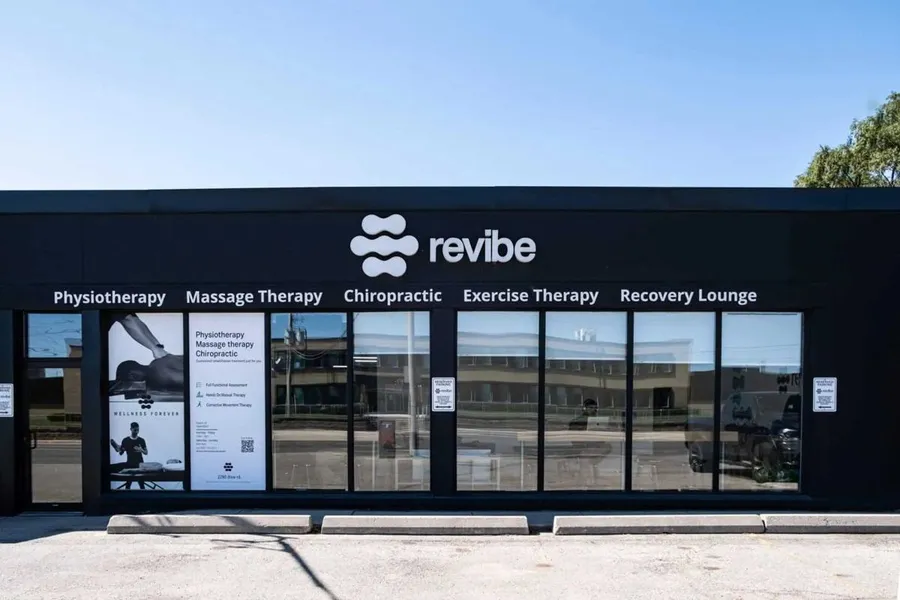
 Mississauga 2290 Dixie Rd (905) 783-8423 Your clinic
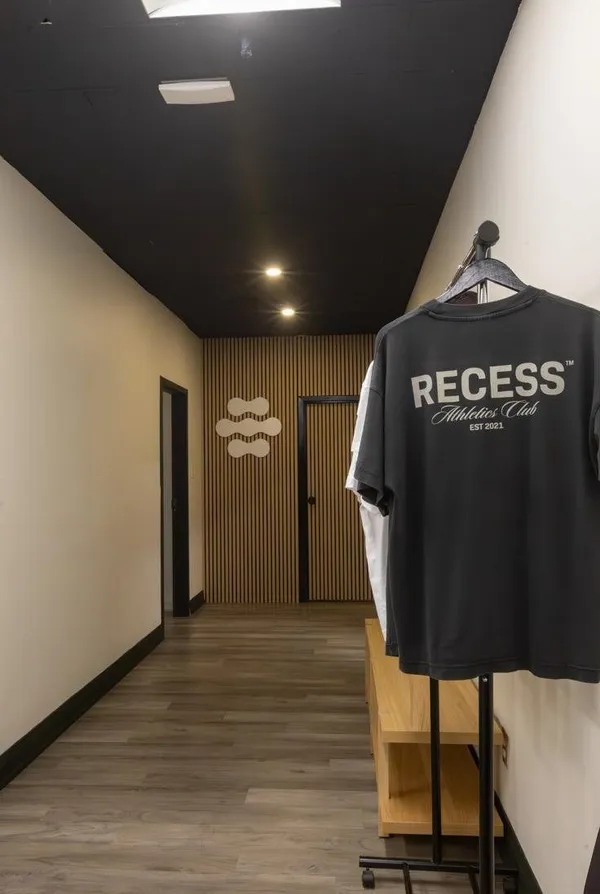 Markham 220 Torbay Rd (289) 806-5123 Your clinic
Not sure what to book? Take the Care Map or call Mississauga or Markham.

Tell us what you need and the team will call you back to book the right session.
Prefer to book yourself?
7 questions that reveal which areas of your body are ready to perform, which need attention, and exactly which tools can help you get back to feeling like yourself.
Tap a circle to learn more.
The best way to start improving these areas is with a first session where we review your Care Map and begin reducing the stress on your body.
Want to save these results? and we'll include a downloadable copy.
Tell us a bit about yourself and we'll have a clinician review your Care Map results before your first session.
The Revibe team will be in touch shortly. Your personalized Care Map summary is below, save or print it for later.
Your Care Map report is below
Care Map results
Your progress will not be saved.
The Care Map is how we understand your body clearly and completely. Instead of chasing symptoms, we look at what is limiting you right now and build a plan around it.
What it gives you
What your body can handle today. Some days you are ready to push, other days you need support first.
You may feel this if
Revibe tools that help
How well your body recharges. Effort only becomes progress when recovery happens.
You may feel this if
Revibe tools that help
How much stress your body is under: training, work, sleep and mental load. The goal is managing demand, not doing more.
You may feel this if
Revibe tools that help
What is happening inside your body. Internal systems drive healing, energy and adaptation.
You may feel this if
Revibe tools that help
What your body can sustain long term. Can it handle repeated effort without breaking down?
You may feel this if
Revibe tools that help
How you respond to pressure. Confidence and clarity shape consistency.
You may feel this if
Revibe tools that help