Deep Tissue vs. Sports Massage: Which Do You Need After Training?


Short answer
- Deep tissue treats long-standing tightness with slow, sustained pressure. Book it away from competition, allow 48 hours.
- Sports massage is organized around timing: brisk before an event, light and flushing after, deeper in the gaps.
- No, deep tissue doesn't have to hurt. There's no relationship between how much it hurts and how well it works.
- Don't book deep tissue two days before a game. It'll leave you feeling flat.
- Massage doesn't flush lactic acid. That clears on its own within about an hour.
Most people book deep tissue because it's the name they know. And because harder sounds better.
Sometimes that's right. Often the appointment they needed was a sports massage, booked on a different day of the week. Occasionally it was neither, and what they actually needed was for somebody to look at why their shoulder had been sore for four months.
The difference isn't marketing. These two treatments have different aims, use different techniques, feel different and the bit that changes outcomes, belong at different points in your week. Book the wrong one two days before a game and you'll go into it flat.
What deep tissue massage is
Deep tissue work targets the deeper layers of muscle and the fascia around it, using slow sustained pressure rather than the flowing strokes of a relaxation massage. We work along or across the muscle and hold pressure on restricted areas, waiting for the tissue to respond instead of forcing through it.
What it's for: long-standing tightness, range that's got worse over months, chronic tension in the neck, shoulders and low back, desk stiffness. It treats accumulated restriction, not acute soreness.
How it feels: firm, sometimes intense, and it should be an intensity you can breathe through. Some next-day soreness is normal, like the day after unfamiliar exercise.
Does deep tissue massage have to hurt?
No. And believing it does causes real problems.
Pressure has to be enough to reach the tissue, so deep tissue is firm by definition. But pain isn't the mechanism, and there's no relationship between how much a massage hurts and how well it works.
What matters is whether the tissue relaxes under the pressure. And tissue doesn't relax when you're braced, gripping the table and holding your breath. Past a certain point, more pressure just produces more guarding, which is the opposite of the point.
A good therapist works at the edge of comfortable, not past it, and adjusts. If you're counting down the minutes, say something.
What sports massage is
Sports massage isn't just a firmer massage for athletic people. It's a category organized around when it's delivered relative to activity, and the technique changes accordingly.
- Pre-event, brisk, stimulating, shorter. Warming the tissue and increasing readiness. Deliberately not deep, because deep work before competition leaves you heavy and slow.
- Post-event, lighter, flushing, focused on comfort rather than working into anything.
- Maintenance, mid-block, away from competition. This is where deeper, more specific work belongs, because there's time to recover from the treatment before it matters.
It also tends to be regionally specific. Rather than a full-body treatment, we work what your sport loads: hips, adductors and low back for hockey players, calves and Achilles for runners, forearms and shoulders for paddle sports.
The comparison
| Deep Tissue | Sports Massage | |
|---|---|---|
| Aim | Reduce long-standing restriction | Support performance and recovery around training |
| Technique | Slow, sustained, deep pressure | Varies by timing: brisk, flushing, or deep |
| Focus | Chronic tight areas: neck, shoulders, low back | Sport-specific regions |
| Intensity | Consistently firm | Depends on where you are in the week |
| Best timed | Away from competition, allow 48 hours | Precisely timed to the session or event |
| Who it suits | Desk workers, chronic tension, general population | Anyone training to a schedule |
Which to book, and when
Two to three days before a game or race, sports massage, pre-event style. Not deep tissue. Deep work this close leaves a lot of people feeling flat, and that's exactly why athletes are careful about massage timing near competition.
Straight after a game, sports massage, post-event style. Light and flushing. Comfort is the goal, not depth.
Mid-week, nothing imminent, either works, and this is when deep tissue is appropriate. If a specific restriction is limiting a movement, sports massage with a regional focus is the sharper tool.
Desk-related neck and shoulder tension, deep tissue.
Sore two days after a hard session, neither's urgent. Delayed onset soreness resolves on its own. Light massage may feel nice; deep work on freshly sore muscle usually doesn't.
New pain, sharp pain, or a specific injury, neither, yet. Get assessed first. Massage on an undiagnosed problem can waste weeks. Our physios at Markham are Scott French, Michael Leung and Zeeruk Rehman, and we refer internally constantly.
What massage does and doesn't do
Worth being straight, because the claims made for massage are often bigger than the evidence.
Reasonably well supported: reduced perceived soreness and pain short-term, improved perceived recovery, temporary gains in range of motion, and reduced muscle tension and guarding. Those are real and they matter: feeling less sore and moving more freely is exactly why people book.
Not well supported:
- "Flushing out lactic acid" — lactate clears within about an hour of exercise regardless of what you do
- Breaking down scar tissue or adhesions through manual pressure
- Realigning structures
- Producing lasting change in tissue length
Massage also won't, on its own, fix a problem caused by not enough strength or too much training load.
So: massage is excellent at making you feel and move better in the short term, which makes it a strong companion to strength and rehab work rather than a substitute. A monthly massage while ignoring a load problem is treating the symptom.
Frequency, cost and coverage
For general tension, every three to four weeks suits most people. In a heavy block, weekly or fortnightly through peak volume. Around competition, timing beats frequency.
Massage therapy is a regulated profession in Ontario, governed by the College of Massage Therapists of Ontario, which is why "RMT" is a protected title and only registered therapists can use it. Everyone treating at Revibe is an RMT, which also means your treatment is eligible under extended health plans in a way non-registered massage isn't.
We direct bill a range of insurers including Manulife, Sun Life, Canada Life, Desjardins, ClaimSecure, Cowan and TELUS AdjudiCare, plan permitting. Two conditions: your plan covers massage therapy, and your insurer accepts direct submission.
Recovery alongside treatment
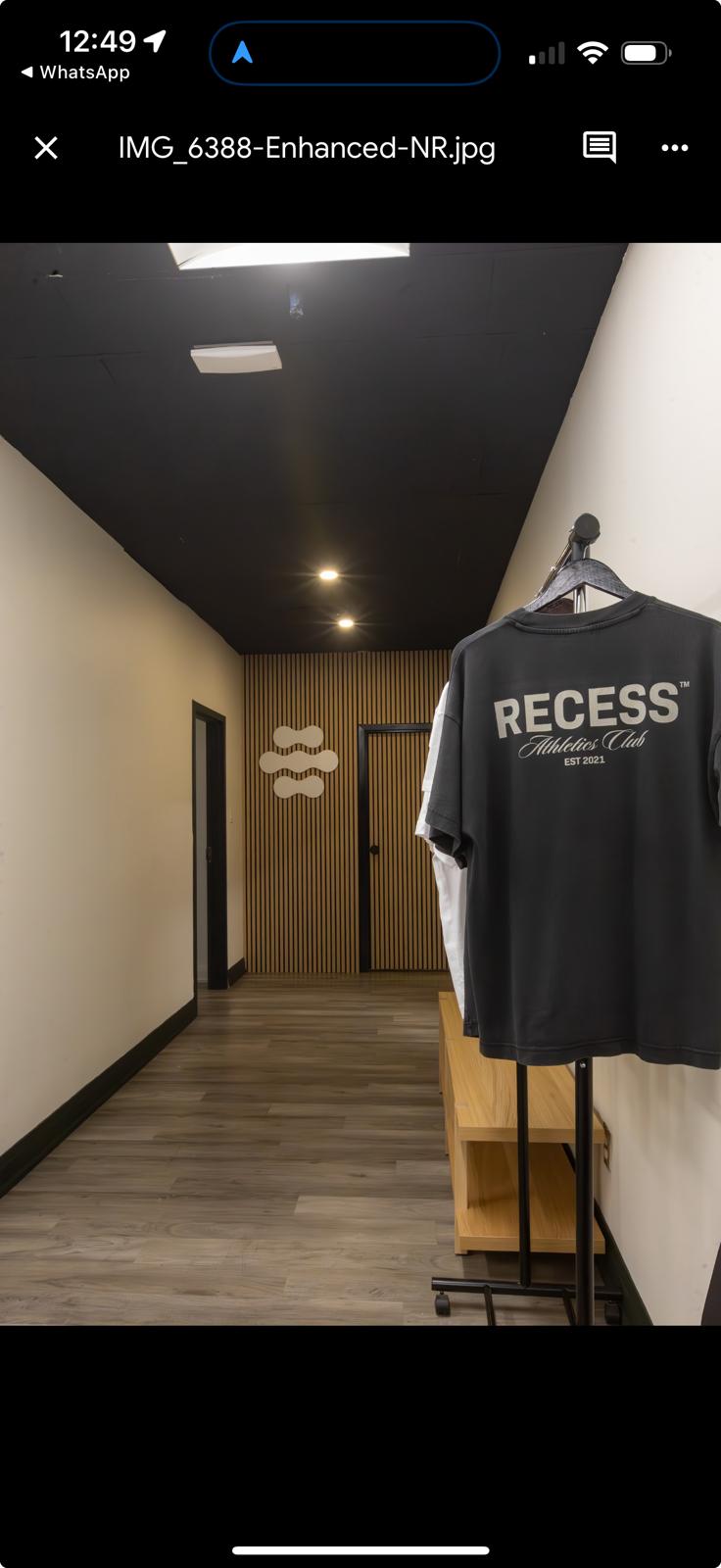
Our Markham clinic is inside Recess at 220 Torbay Rd, so the cold plunge, sauna and recovery lounge are in the same building. Pairing a massage with contrast therapy in one visit is a common way people use it, and both membership tiers include 30 minutes of contrast: sauna, shower, cold plunge, repeat.
One timing note that applies here too: if you're lifting to build strength, keep cold plunging several hours away from the gym or move it to a non-lifting day. The research is consistent that cold immersion straight after resistance training blunts the adaptation.
Book massage at Revibe Markham, or read more about massage therapy. Call (905) 783-8423. Monday to Friday 9-7, Saturday 10-4.
Last updated: September 2026
What actually helps between appointments
Massage makes you feel and move better for a while. What decides how long that lasts is mostly what happens in the days between.
Sleep first, always. Then adequate protein, particularly if you're training hard, because muscle repair is not optional and a lot of people eat like someone who doesn't train. Then the boring one, which is whether your training load is simply higher than your life can currently absorb.
If you're getting massage every three weeks and still feel wrung out, the massage isn't failing. Something upstream is.
That upstream conversation belongs with a naturopathic doctor, and it's worth knowing that naturopathic medicine is regulated in Ontario by the College of Naturopaths of Ontario, with NDs able to draw blood for certain tests. Persistent fatigue that doesn't match your training is a thing to investigate, not absorb. Our naturopathic doctors are Dr. Jennifer Tang and Lisbeth Bitar Patino.
On that note: massage gets bundled with a lot of claims about toxins and magnesium that we don't make and won't. If you want the nutritional side handled, have it handled by someone who tests rather than someone who guesses on a treatment table.
Timing your treatment to your week
Half this article is about booking the right treatment on the right day. The CareMap helps with the other half, which is knowing what your week can absorb.
Seven questions, under two minutes, no sign-up. It scores Readiness, Recovery, Activity, Capacity, Health and Mindset, returns your top three focus areas as a PDF, and a clinician reviews it before your first session. If Activity is high and Recovery is low, you already know which kind of massage you should be booking.
Frequently Asked Questions
Deep tissue uses slow, sustained pressure to reduce long-standing restriction and tension. Sports massage is organized around timing relative to training or competition, so the technique changes: brisk before an event, lighter and flushing afterwards, deeper during maintenance phases away from competition.
No. Pressure needs to be firm enough to reach the tissue, but pain isn't the mechanism and there's no relationship between how much a massage hurts and how well it works. If you're braced and holding your breath, the tissue is guarding rather than relaxing. Tell your therapist.
Yes, but pre-event style sports massage rather than deep tissue: brisk, shorter and warming. Deep work within 48 hours of competition leaves many athletes feeling heavy and flat, which is why massage timing matters as much as technique.
No. Lactate clears from the blood within about an hour of finishing exercise regardless of what you do afterwards. Massage does have well-supported short-term benefits: reduced perceived soreness, improved perceived recovery and temporary range of motion gains, but lactic acid removal isn't one of them.
For general tension, every three to four weeks suits most people. During a heavy training block, weekly or fortnightly through peak volume. Around competition, timing matters more than frequency: pre-event before, flushing work after, deeper treatment saved for mid-week gaps.
Massage from a Registered Massage Therapist is eligible under most extended health plans. Massage therapy is regulated in Ontario by the College of Massage Therapists of Ontario and "RMT" is a protected title. Direct billing is available where your plan covers it and your insurer supports direct submission.
Sources
- College of Massage Therapists of Ontario, regulation and protected title.
- Frontiers in Sports and Active Living (2021), cold water immersion and training adaptation. doi:10.3389/fspor.2021.660291
- Revibe direct billing page, insurer list and coverage conditions.