
When Should You Visit a Physiotherapist in Markham?


Pain, stiffness, or reduced mobility can make everyday activities more difficult than they should be. Knowing when to seek professional care can help prevent minor issues from becoming long-term concerns. A physiotherapist in Markham can assess your symptoms, identify the underlying cause, and develop a personalised treatment plan to restore movement and improve physical function. Whether you are recovering from an injury, managing chronic pain, or healing after surgery, early physiotherapy can support recovery, reduce discomfort, and help you return to your daily routine.
Signs It Is Time to See a Physiotherapist in Markham
Many people expect pain to improve with rest, but ongoing discomfort, stiffness, or limited movement can indicate a condition that requires professional attention. Ignoring these symptoms may allow the problem to worsen, affecting your ability to work, exercise, or complete everyday tasks. A Physiotherapist in Markham assesses your muscles, joints, posture, and movement patterns to determine the underlying cause of your symptoms.
Rather than focusing only on temporary pain relief, physiotherapy aims to improve strength, flexibility, mobility, and overall function. If you experience persistent pain, swelling, reduced balance, muscle weakness, or recurring injuries, seeking treatment early can support a smoother recovery. Early intervention also helps prevent compensation patterns that may place additional stress on other areas of the body.
Common Injuries That Benefit From Physiotherapy
Physiotherapy supports recovery from many injuries affecting muscles, ligaments, tendons, and joints. Whether an injury happens during sports, at work, or through everyday activities, early treatment can help restore movement and reduce the risk of long-term complications. A Physiotherapist in Markham commonly treats ankle sprains, knee ligament injuries, rotator cuff problems, tennis elbow, hamstring strains, lower back pain, neck injuries, shoulder instability, and repetitive strain injuries.
Every rehabilitation plan is tailored to the individual's condition, recovery stage, and personal goals. Treatment may include manual therapy, stretching, strengthening exercises, balance training, and movement education. By improving mobility and rebuilding strength, physiotherapy helps individuals return safely to work, recreational activities, and daily routines with greater confidence.
Conditions Commonly Treated by a Physiotherapist in Markham
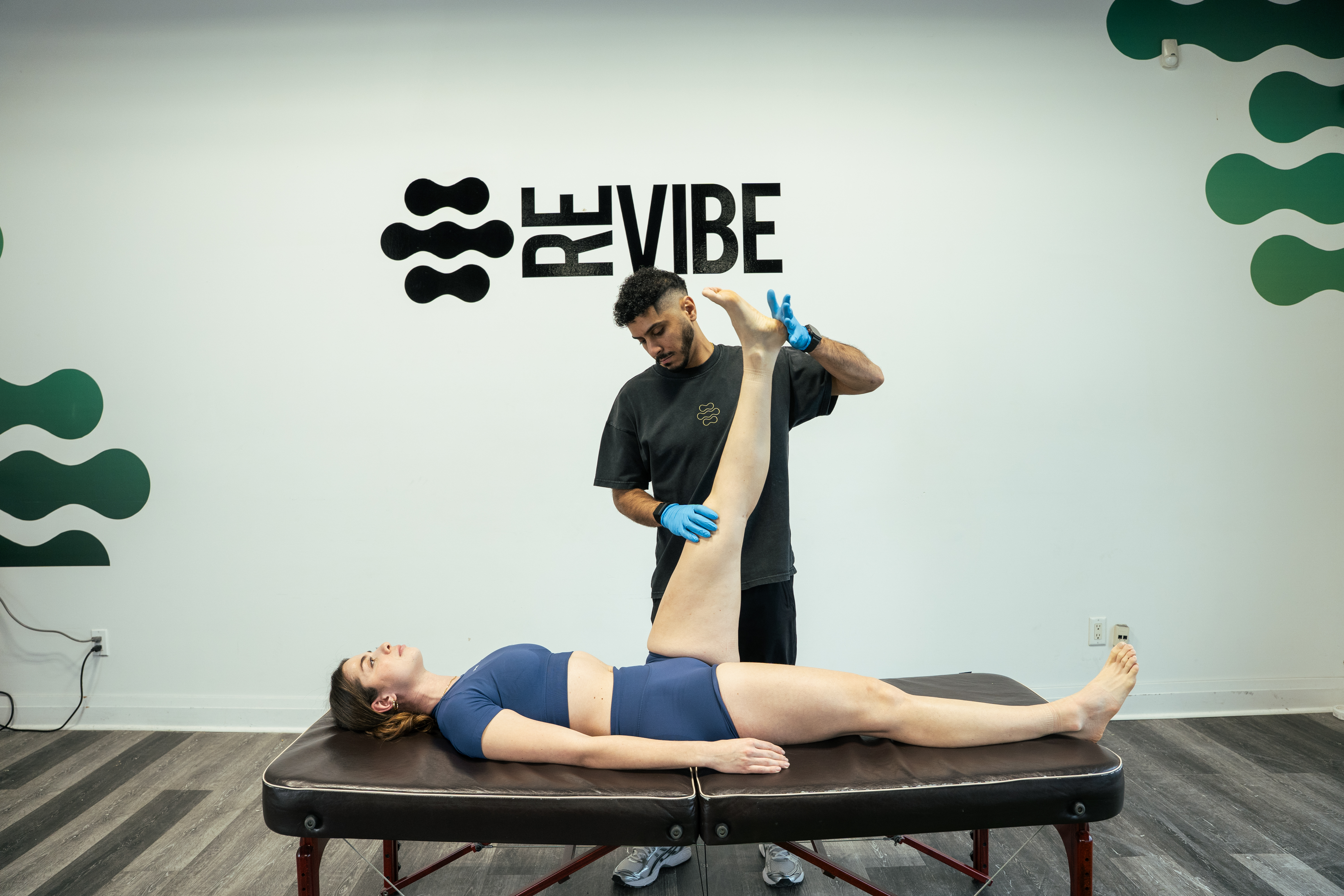
Physiotherapy helps people manage a variety of conditions that affect movement, flexibility, and physical function. While many people seek treatment after an injury, physiotherapy is also beneficial for chronic conditions and mobility concerns that develop over time. A Physiotherapist in Markham commonly treats neck pain, lower back pain, shoulder injuries, knee pain, arthritis, sciatica, tendon injuries, plantar fasciitis, balance disorders, and workplace-related strain.
Every treatment plan is designed around the individual's symptoms, lifestyle, and recovery goals. Through manual therapy, guided exercises, posture education, and movement training, physiotherapy helps improve strength, restore mobility, and reduce discomfort. It also focuses on preventing recurring problems by encouraging healthier movement patterns and long-term physical well-being.
Living With Chronic Pain and Limited Mobility
Living with chronic pain can affect far more than your physical comfort. Everyday tasks such as walking, driving, working, or even getting out of bed may become increasingly difficult over time. A Physiotherapist in Markham helps individuals manage long-term conditions by identifying movement limitations and creating personalised treatment plans that improve mobility and reduce discomfort. Common causes of chronic pain include arthritis, previous injuries, nerve irritation, joint degeneration, and repetitive strain.
Treatment may involve manual therapy, therapeutic exercises, stretching, posture correction, and balance training to improve movement and build strength. With consistent care and guided rehabilitation, physiotherapy can help you regain confidence, perform daily activities more comfortably, and maintain an active lifestyle while reducing the risk of future mobility problems.
Recovery After Surgery and Medical Procedures
Successful recovery after surgery involves more than allowing the body to heal naturally. Many procedures can temporarily reduce strength, flexibility, and joint function, making rehabilitation an essential part of the healing process. A Physiotherapist in Markham develops a structured rehabilitation programme based on your procedure, physical condition, and recovery goals. Physiotherapy is commonly recommended after knee and hip replacements, shoulder surgery, ligament reconstruction, spinal procedures, fracture repair, and tendon surgery.
Early treatment focuses on improving mobility, reducing swelling, and restoring gentle movement, while later stages emphasise strength, balance, endurance, and functional activities. Regular assessments allow your physiotherapist to adjust your programme as you progress, helping you return safely to work, recreational activities, and everyday life with greater confidence.
How a Physiotherapist in Markham Creates a Personalised Treatment Plan
Every person experiences pain, injury, and recovery differently, which is why physiotherapy is never a one-size-fits-all approach. A Physiotherapist in Markham begins by completing a comprehensive assessment that includes reviewing your medical history, discussing your symptoms, evaluating posture, testing strength and flexibility, and analysing your movement patterns. This information helps identify the underlying cause of your condition and guides the development of a personalised treatment plan.
Depending on your needs, treatment may include manual therapy, mobility exercises, strengthening programmes, posture correction, balance training, and education on preventing future injuries. Your progress is monitored during each appointment, allowing your physiotherapist to modify your treatment as your mobility, strength, and overall function continue to improve.
What to Expect During Your First Physiotherapy Appointment
Your first physiotherapy appointment is designed to help your physiotherapist understand your condition and create a treatment plan that matches your needs. A Physiotherapist in Markham will begin by discussing your symptoms, medical history, lifestyle, daily activities, and any previous injuries or treatments. This is followed by a physical assessment that may include evaluating your posture, range of motion, muscle strength, flexibility, balance, and movement patterns.
Based on the findings, your physiotherapist will explain the cause of your symptoms and recommend appropriate treatment options. You may also begin treatment during your first visit, including manual therapy or guided exercises, along with home exercise recommendations to support your recovery. Open communication throughout the process helps ensure your treatment continues to meet your goals.
Why Early Care Can Make a Difference
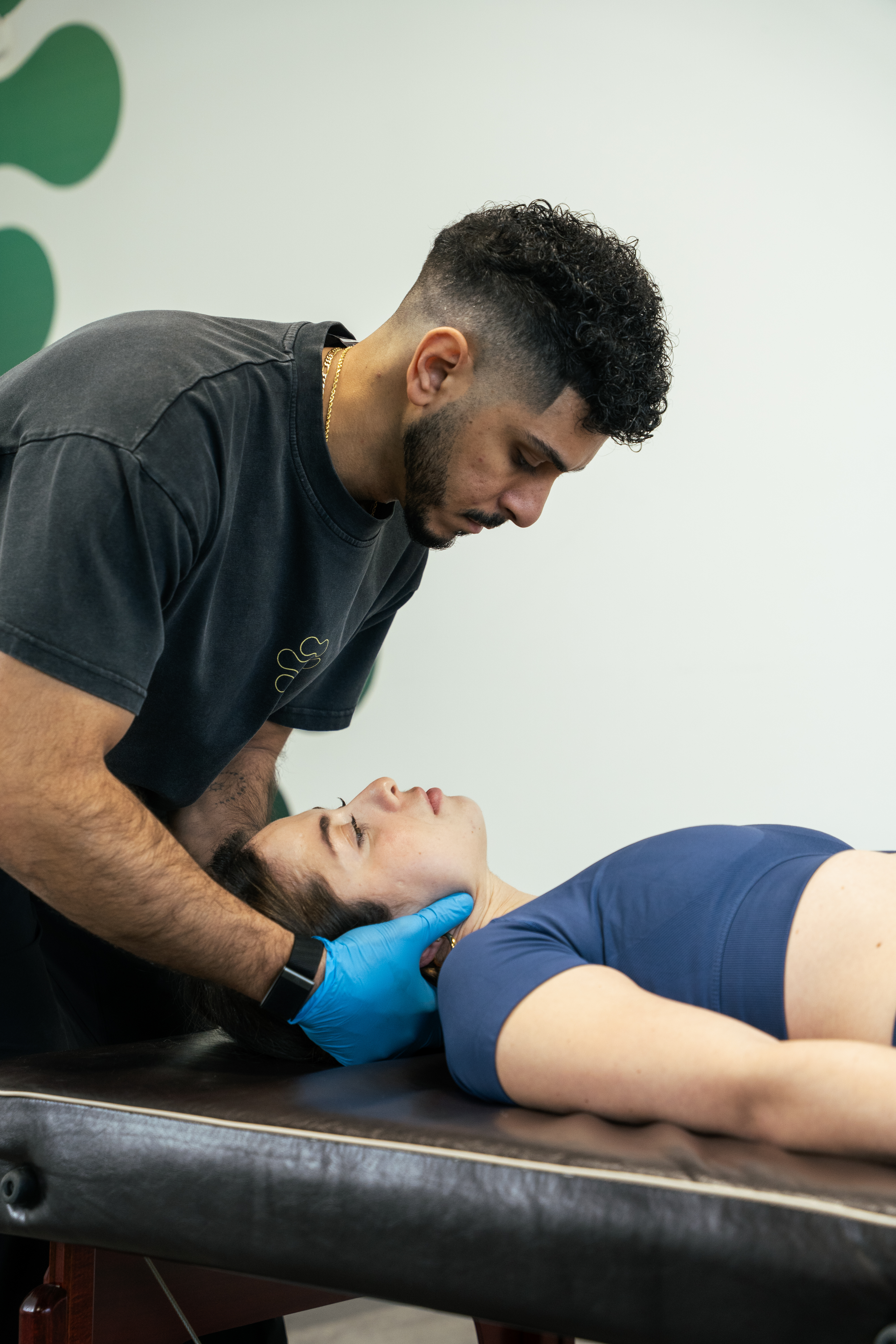
Seeking physiotherapy soon after pain or an injury develops can make a significant difference in your recovery. Waiting too long may allow stiffness, muscle weakness, or movement limitations to worsen, making rehabilitation more challenging. A Physiotherapist in Markham can identify the source of your symptoms early and recommend treatment before the condition progresses further. Early physiotherapy often helps restore mobility, improve strength, reduce discomfort, and support healthy healing.
It may also lower the risk of recurring injuries by correcting movement patterns and improving joint stability. Whether your symptoms result from sports, work, surgery, or everyday activities, timely treatment allows you to return to your normal routine sooner. Taking action early is an important step toward protecting your long-term physical health and mobility.
Frequently Asked Questions
How do I know if I should visit a Physiotherapist in Markham?
If you have persistent pain, stiffness, reduced mobility, recurring injuries, or difficulty completing everyday activities, it may be time to schedule an assessment with a Physiotherapist in Markham.
Do I need a doctor's referral before booking physiotherapy?
Many physiotherapy clinics accept patients without a referral, although some extended health insurance providers may require one for reimbursement. Check your insurance policy before your appointment.
How long does physiotherapy treatment usually last?
The length of treatment depends on your condition, the severity of your symptoms, and your recovery goals. Your physiotherapist will monitor your progress and adjust your care plan as needed.
Can physiotherapy help prevent future injuries?
Yes. Physiotherapy improves strength, flexibility, balance, and movement patterns, helping reduce the risk of future injuries while supporting long-term physical function.
What should I wear to my physiotherapy appointment?
Wear comfortable clothing that allows you to move easily and provides access to the area being assessed or treated. Athletic or loose-fitting clothing is generally recommended.
Conclusion
Knowing when to seek professional care can help you recover more efficiently and maintain an active lifestyle. Whether you are managing chronic pain, recovering from surgery, healing after an injury, or experiencing reduced mobility, early treatment can support better long-term outcomes. At Revibe in Markham, a Physiotherapist in Markham provides personalised care focused on improving movement, building strength, and addressing the underlying cause of your symptoms.
Through targeted exercises, manual therapy, and movement education, physiotherapy helps restore function and reduce the risk of future injuries. If pain or limited mobility is affecting your daily routine, contact Revibe in Markham at 905-783-8423 to book an assessment and begin your journey toward better mobility and overall well-being.