

Understanding The Role Of Pelvic Health In Everyday Function

The pelvic floor is a complex structure made up of muscles, ligaments, and connective tissues that work together to support essential organs within the pelvis. These structures play an important role in bladder and bowel control, core stability, posture, and coordinated movement. When functioning well, they allow individuals to move through daily tasks with ease and reduced discomfort.
Pelvic health focuses on maintaining the strength, flexibility, and coordination of these muscles to support overall body mechanics. Healthy pelvic function contributes to smoother movement patterns during walking, lifting, exercising, and sitting. It also helps improve body awareness, allowing individuals to feel more stable and comfortable throughout everyday routines while reducing unnecessary strain on surrounding muscles.
Understanding The Role Of Pelvic Health In Everyday Function
The pelvic floor is a group of muscles, ligaments, and connective tissues that support key organs within the pelvis, including those involved in bladder and bowel control. These structures also play a major role in core stability, posture alignment, and smooth movement patterns during daily tasks. When pelvic muscles are functioning well, activities such as walking, lifting, sitting, and exercising can feel more controlled and comfortable.
pelvic health focuses on maintaining proper strength, flexibility, and coordination within these muscles to support efficient body mechanics. Good pelvic function also helps reduce unnecessary strain on surrounding muscles, allowing the body to move with better balance, stability, and endurance throughout regular routines.
Common Factors That Can Affect Pelvic Muscle Function
Pelvic muscle function can be influenced by several physical and lifestyle-related factors that develop over time or occur after specific events. Pregnancy and childbirth may place significant pressure on pelvic structures, while aging and hormonal changes can naturally affect muscle tone. Repetitive heavy lifting and prolonged sitting may also contribute to muscle imbalance or weakness.
Surgical procedures, chronic coughing, high-impact activities, and changes in posture or movement habits can further impact pelvic stability. These factors may gradually reduce strength, flexibility, and coordination within the pelvic region. Without proper support, these changes can lead to discomfort, reduced control, and limitations in everyday movement and physical performance.
Conditions Commonly Addressed Through Pelvic Health Therapy
pelvic health therapy is often recommended for a variety of conditions that affect the pelvic region and surrounding muscle systems. These may include pelvic muscle weakness, pelvic pressure or discomfort, and core instability that impacts daily movement. Individuals may also seek care for postpartum recovery concerns, changes in bladder control, or muscle tension within the pelvic area.
Recovery following certain surgical procedures and movement limitations related to pelvic dysfunction are also commonly addressed. A personalized assessment helps identify the underlying causes of these concerns. Treatment strategies are then designed to improve muscle coordination, restore balance, and support better functional movement and comfort in everyday activities.
Signs That May Indicate A Need For Pelvic Health Care
Many individuals experience symptoms related to pelvic muscle function without immediately recognizing the cause. Early signs may include difficulty maintaining bladder control, discomfort during physical activity, or a noticeable reduction in core strength. Some people may feel heaviness or pressure in the pelvic region, especially after prolonged standing or sitting. Discomfort during exercise, limited endurance, and ongoing lower back pain linked to core instability may also appear.
These symptoms can vary in intensity but often indicate that pelvic muscles are not functioning optimally. Seeking evaluation can help identify contributing factors and guide appropriate support to improve comfort, stability, and daily movement efficiency over time.
How Pelvic Health Therapy Supports Strength And Stability
pelvic health therapy focuses on improving muscle function through individualized and structured care approaches. Treatment often includes improving muscle awareness so individuals can better understand how to engage and relax pelvic muscles correctly. Strength and endurance training may also be introduced to enhance support during movement and physical activity. Flexibility and relaxation techniques help reduce tension and improve overall balance.
Therapy also works on restoring coordinated movement between the pelvic floor, abdominal muscles, and surrounding structures. These combined strategies support more efficient body mechanics, improved posture, and greater stability during daily tasks, contributing to long-term comfort and functional movement.
The Connection Between Pelvic Muscles And Core Support
The pelvic floor is a key component of the body’s core system, working together with the abdominal muscles, diaphragm, and spinal stabilizers. This integrated system supports posture, breathing, and controlled movement. When all components function in harmony, the body can maintain stability during activities such as lifting, bending, and walking.
However, if one part of the system becomes weak or uncoordinated, other muscles may compensate, leading to imbalance or strain. Supporting pelvic health helps restore this coordination, improving efficiency in movement patterns and reducing unnecessary stress on surrounding muscles. This balance is essential for maintaining strength, endurance, and overall physical stability.
What To Expect During A Pelvic Health Assessment
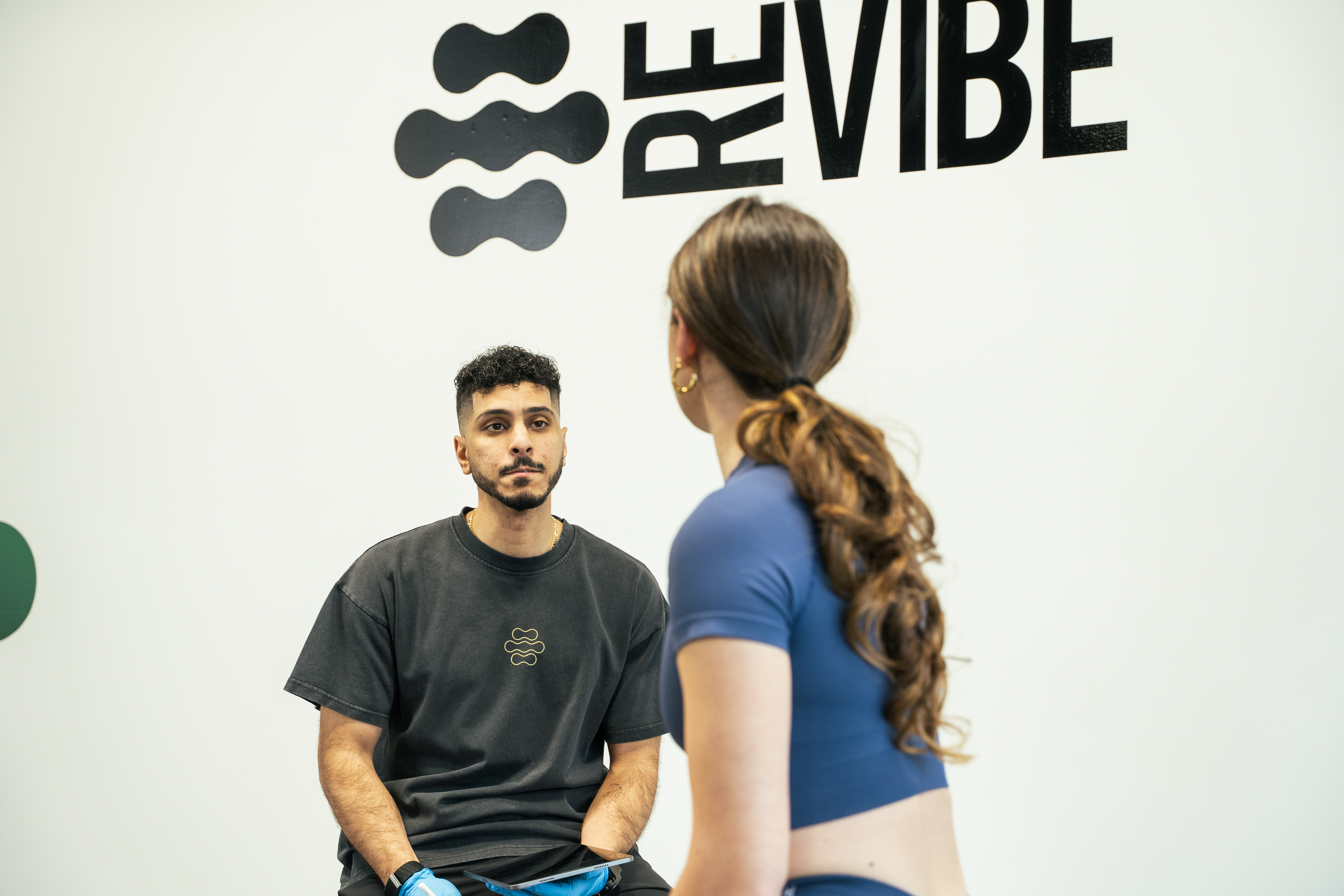
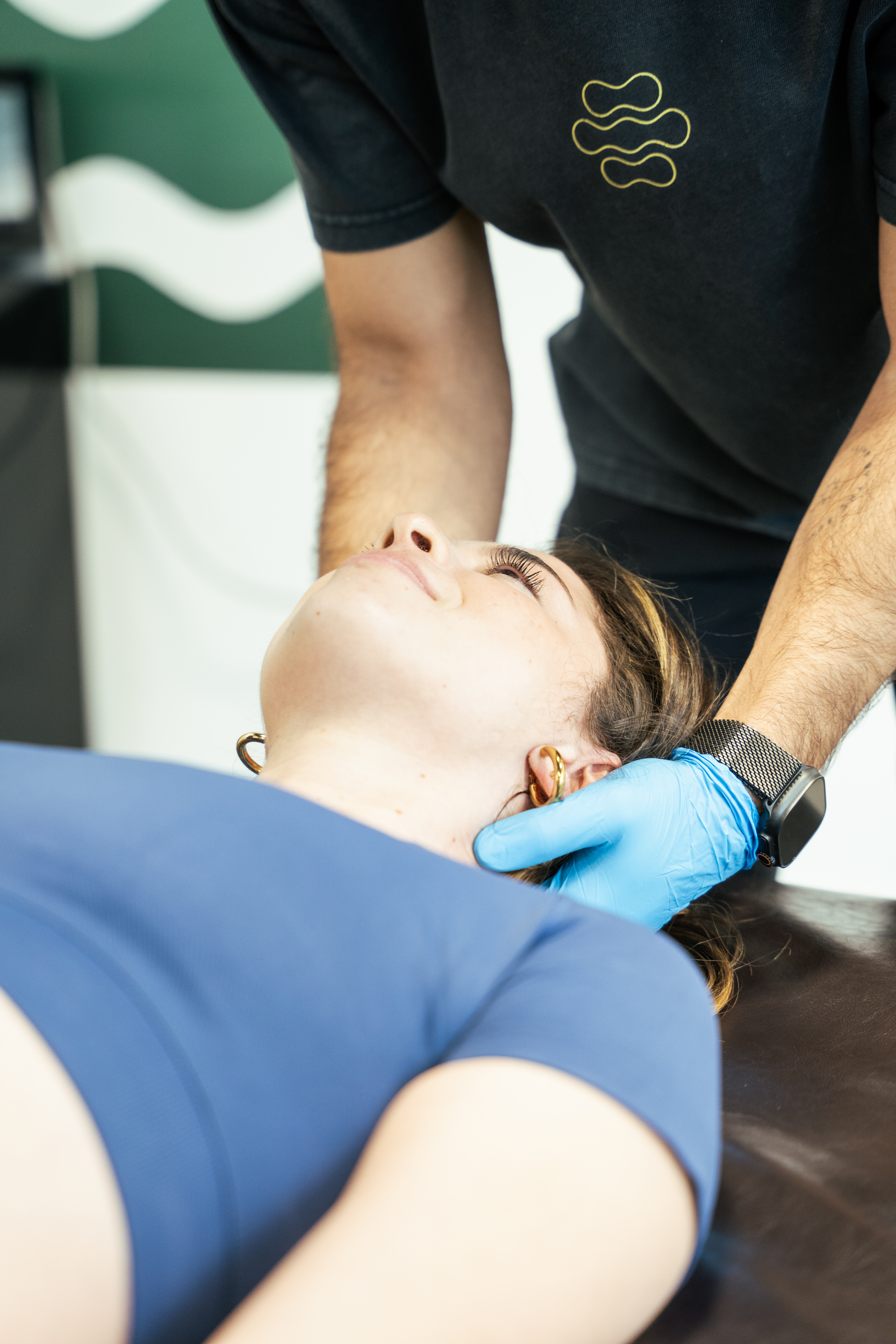
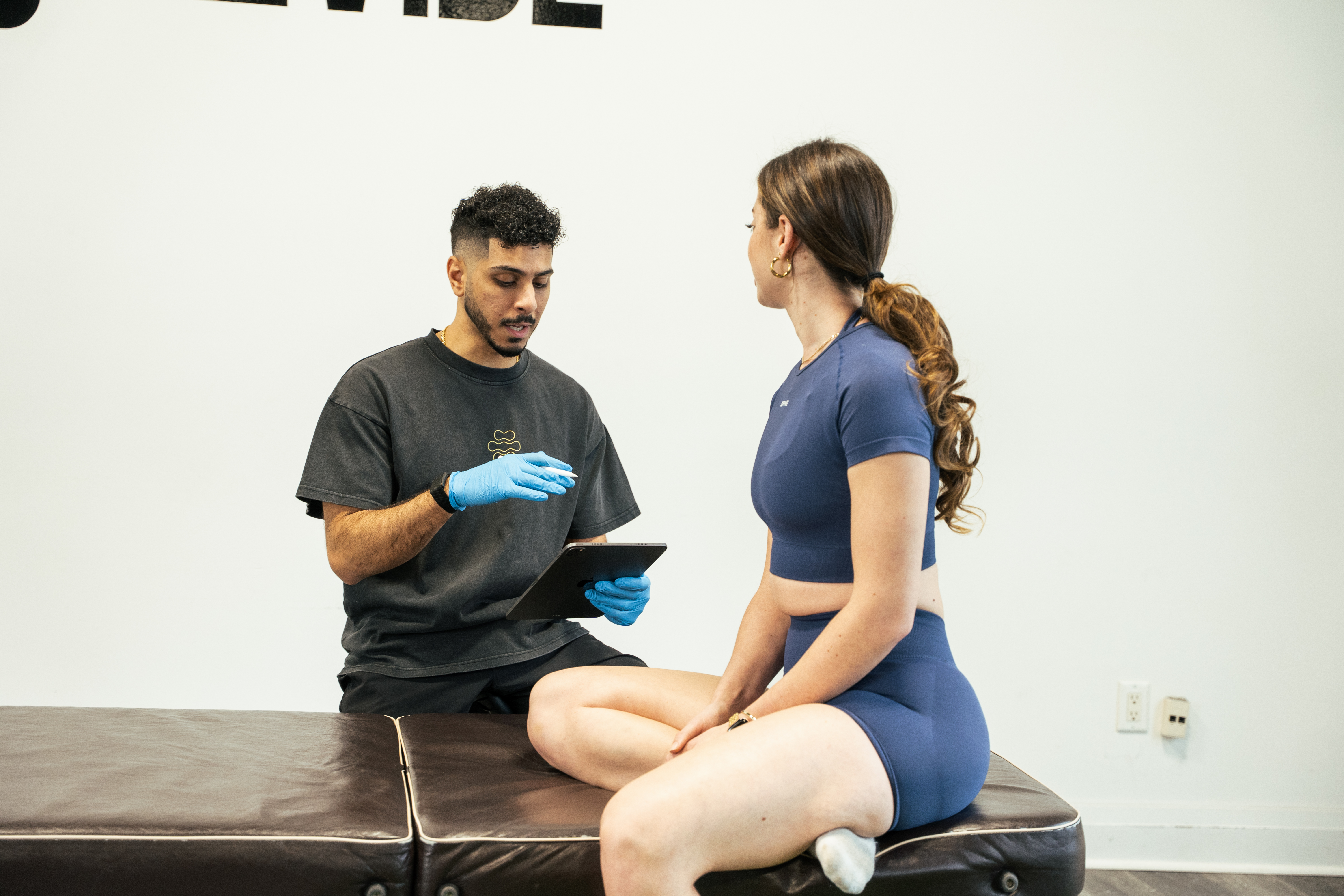
A pelvic health assessment typically begins with a detailed discussion of symptoms, health history, and lifestyle factors that may influence pelvic function. This helps identify possible contributing causes and establish clear goals for care. The assessment may include posture evaluation, movement analysis, and core function testing to observe how the body performs during basic activities.
Muscle strength, coordination, and flexibility may also be examined to better understand functional limitations. Based on the findings, a personalized care plan is developed to address specific needs. This structured approach helps ensure that treatment is targeted, effective, and aligned with improving daily comfort and movement ability.
Benefits Of Improving Pelvic Muscle Coordination
Improving pelvic muscle coordination can have a positive impact on overall movement and physical wellbeing. Better coordination supports enhanced daily comfort, improved posture, and stronger core stability during routine activities. It can also increase confidence when performing physical tasks such as walking, lifting, or exercising.
More efficient movement patterns help reduce unnecessary strain on surrounding muscles, allowing the body to function with better balance and control. Increased stability supports long-term physical wellness and helps maintain an active lifestyle. Consistent attention to pelvic health can contribute to improved body awareness, reduced discomfort, and greater ease in performing everyday movements with efficiency and comfort.
Frequently Asked Questions
What Is Pelvic Health Therapy?
pelvic health therapy is a specialized form of care focused on assessing and improving pelvic floor muscles and surrounding structures. It supports strength, coordination, stability, and overall comfort through guided evaluation and targeted approaches that help improve daily movement and functional wellbeing.
Who Can Benefit From Pelvic Health Therapy?
Individuals of various ages and activity levels may benefit from pelvic health therapy, especially those experiencing pelvic discomfort, bladder control changes, core weakness, or recovery-related concerns affecting movement, stability, and overall physical comfort during daily activities.
What Conditions Can Pelvic Health Therapy Help Address?
pelvic health therapy may support individuals dealing with pelvic muscle dysfunction, postpartum recovery challenges, core instability, movement limitations, and related concerns that affect pelvic function, stability, comfort, and efficiency in everyday physical activities and routines.
How Long Does A Pelvic Health Appointment Take?
Appointment lengths vary depending on individual needs and clinic protocols. Initial assessments are usually longer to allow detailed evaluation, while follow-up sessions are shorter and focus on progress, adjustments, and continued improvement of pelvic function.
Can Pelvic Health Therapy Support Recovery After Pregnancy Or Surgery?
Yes. Many individuals use pelvic health therapy during recovery after pregnancy, childbirth, or surgery. A personalized assessment helps determine appropriate care strategies that support healing, restore function, and improve strength, stability, and comfort over time.
Conclusion
Strong and coordinated pelvic muscles contribute to comfort, stability, and confidence during everyday activities. From supporting posture and core function to maintaining efficient movement patterns, pelvic health plays an important role in overall wellbeing. When challenges arise, pelvic health therapy offers a personalized approach to assessing muscle function and promoting long-term improvement.
At Revibe in Markham, individuals can access focused care designed to support strength, stability, and daily comfort through professional guidance and tailored plans. For inquiries or appointments, contact 905-783-8423. By addressing concerns early and focusing on targeted support, individuals can work toward better strength, enhanced stability, and greater comfort in daily life while improving long-term physical wellbeing.
