Sports Injury Recovery With Physiotherapy in Markham


Sports injuries can affect your ability to train, compete, exercise, and enjoy everyday activities. Pain, swelling, stiffness, weakness, and limited movement may keep you away from the routines you enjoy. While minor injuries may improve with rest, ongoing symptoms can require professional attention. Physiotherapy in Markham can support recovery through personalized assessments, targeted exercises, mobility work, strengthening, and rehabilitation. Whether you have a sprain, muscle strain, tendon problem, joint injury, or overuse condition, proper care can support a gradual return to physical activity.
Common Sports Injuries That Can Affect Your Movement
Sports injuries can occur during training, competition, recreational activities, or regular exercise. Some happen suddenly after a fall, collision, or awkward movement, while others develop gradually from repeated stress on muscles, joints, and tendons. Common examples include sprains, muscle strains, tendon injuries, knee pain, shoulder problems, hip injuries, back pain, and overuse conditions. Symptoms may include sharp pain, stiffness, weakness, swelling, bruising, reduced flexibility, or difficulty putting weight on an affected area. Understanding what may be causing your symptoms is an important part of recovery. Continuing to exercise through pain without addressing the problem may place additional stress on the injured area and delay your return to normal activity.
When to Seek Physiotherapy After a Sports Injury
Not every ache requires immediate professional care, but symptoms that continue or interfere with your normal activities should not be ignored. If pain does not improve with rest or repeatedly returns when you exercise, an assessment may help identify what is contributing to the problem. Ongoing pain, limited movement, weakness, swelling, or difficulty walking, running, lifting, jumping, or performing sport-specific movements may indicate the need for further attention. Repeated injuries in the same area can also suggest underlying movement or strength limitations. A physiotherapist can assess how your body moves and determine whether flexibility, balance, coordination, or muscle strength may be affecting recovery and your ability to return to physical activity.
How Physiotherapy Supports Sports Injury Recovery
Sports injury rehabilitation involves more than treating the area where pain occurs. After an injury, the body may change how it moves, which can place additional stress on nearby muscles and joints. A physiotherapy assessment may consider your injury history, symptoms, range of motion, muscle strength, balance, coordination, and movement patterns. Physiotherapy in Markham can support different stages of recovery by helping improve movement, rebuild strength, develop coordination, increase flexibility, and gradually restore activity levels. Your treatment plan should reflect your condition and physical goals. Someone recovering from a running injury may require a different rehabilitation approach than an athlete returning to a high-impact sport or physically demanding activity.
What to Expect During a Sports Injury Assessment
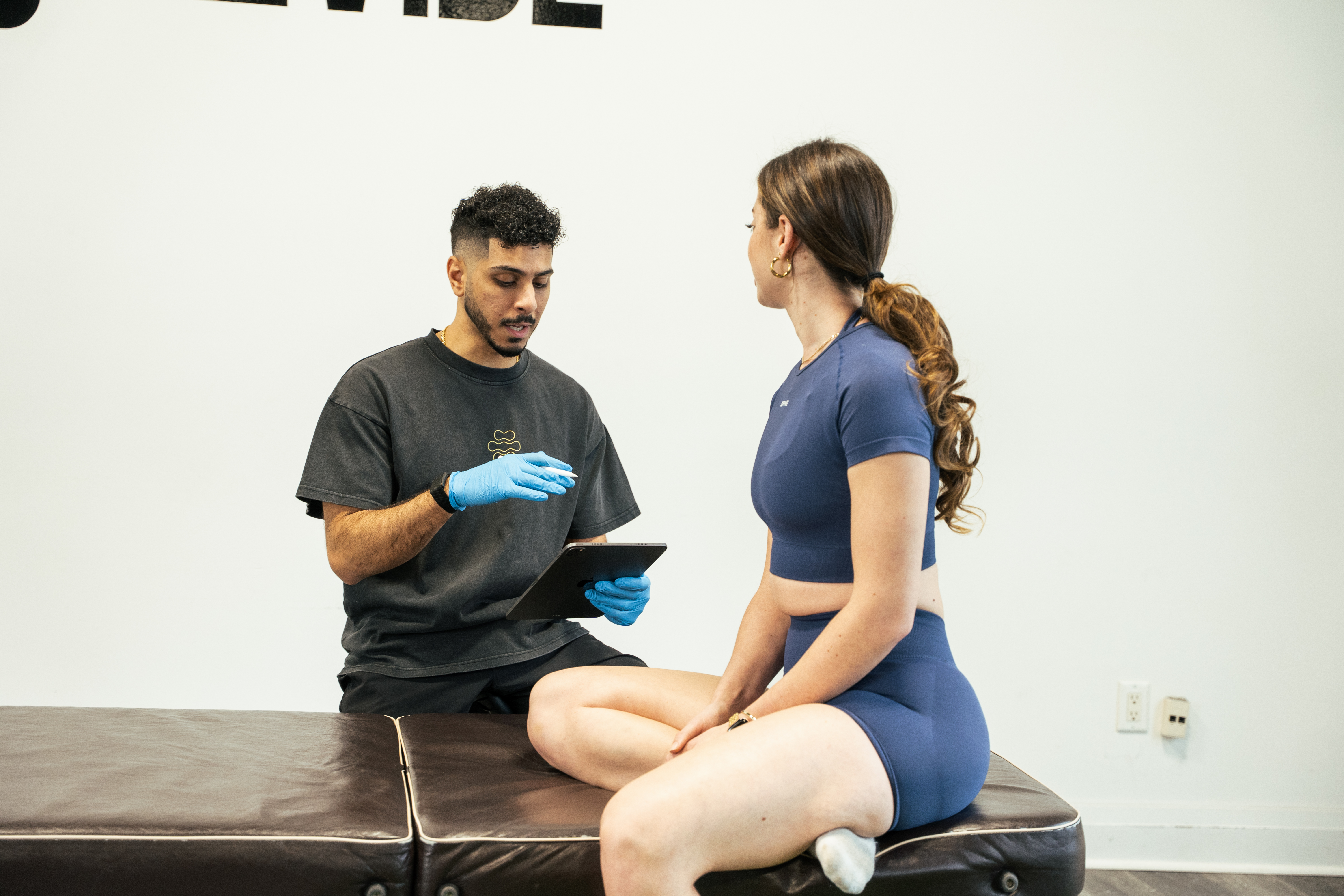
A sports injury assessment helps provide a clearer understanding of how your condition affects movement and physical function. Your physiotherapist may ask how the injury happened, when symptoms began, and which activities make the pain better or worse. The assessment may examine joint movement, flexibility, muscle strength, balance, coordination, walking or running mechanics, movement patterns, and the affected area. Your ability to perform certain activities may also be assessed. This information can help identify areas that require attention during rehabilitation. For example, knee pain may be connected to weakness in surrounding muscles, limited mobility, or changes in movement during exercise. Understanding these factors supports a more focused treatment plan.
Treatment Approaches for Improving Strength and Movement
Treatment during sports injury rehabilitation depends on your injury, symptoms, physical condition, and recovery goals. Your plan may change as your movement and strength improve. Depending on your needs, treatment may include hands-on techniques, therapeutic exercises, stretching, mobility work, strengthening, balance training, and progressive activity exercises. Exercises are generally introduced at a level that matches your current ability. As your body adapts, the difficulty can gradually increase to prepare your muscles and joints for greater demands. Rehabilitation may progress from basic movements to activities involving resistance, balance, coordination, jumping, running, or sport-specific movements. The aim is to help restore the physical abilities needed for daily activities and sports.
Rebuilding Strength and Mobility During Rehabilitation
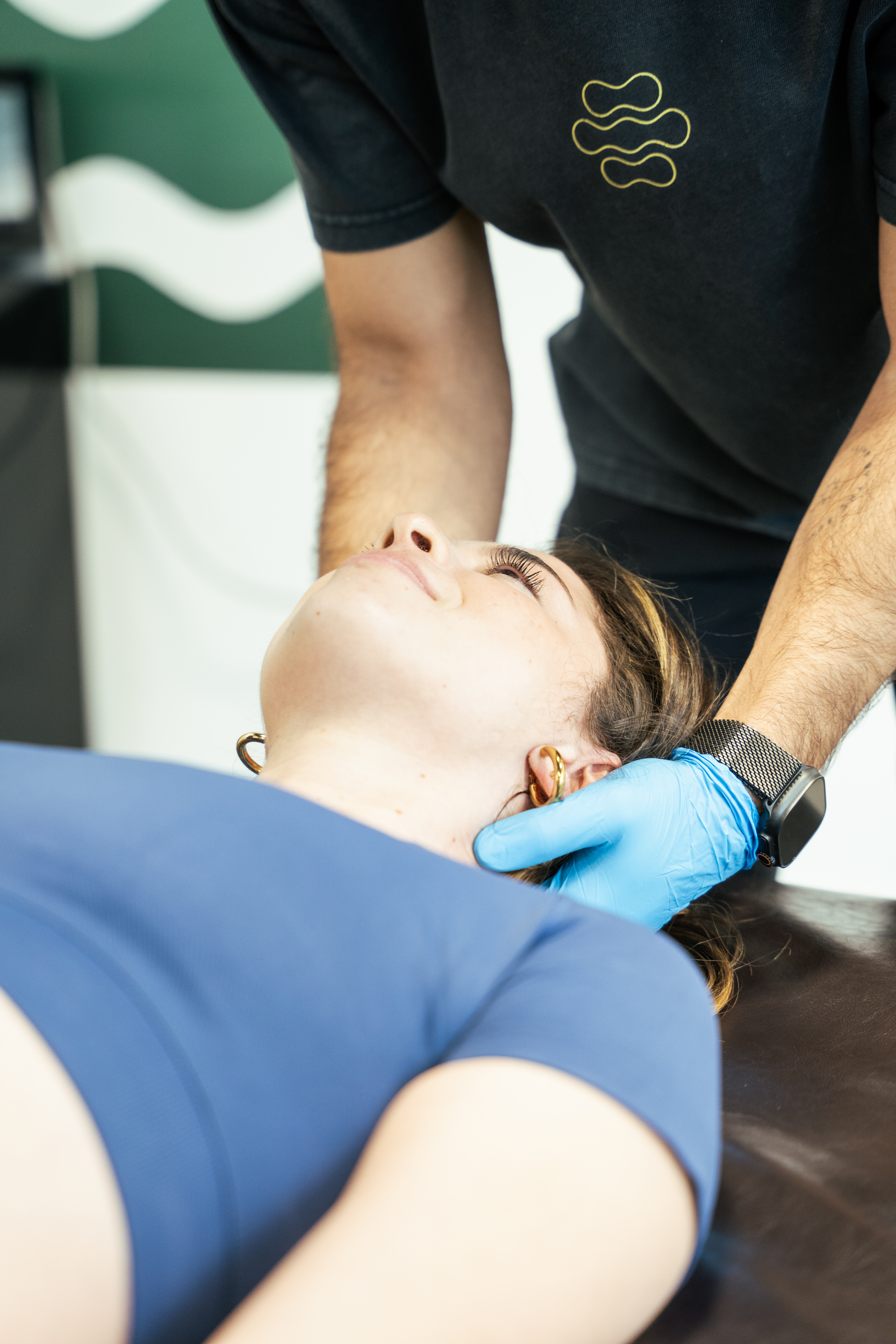
Pain and reduced activity can contribute to weakness, stiffness, and changes in movement. After an injury, avoiding the affected area may feel necessary because movement can be uncomfortable. However, prolonged inactivity can make it harder to regain normal strength and mobility. A structured rehabilitation plan can gradually restore these abilities. Strength exercises may target muscles directly affected by the injury and supporting muscles that help control movement. Mobility exercises may focus on joint movement and flexibility in stiff areas. Rehabilitation can include strengthening, stretching, joint mobility work, balance exercises, stability training, coordination activities, and progressive resistance. The right exercises depend on your condition and should match your current abilities.
Returning to Sports After an Injury
Returning to sports is an important goal for many people recovering from an injury. However, being able to complete normal daily activities does not always mean your body is ready for the demands of your sport. Running, jumping, sudden direction changes, lifting, throwing, and contact can place different stresses on the body. A gradual return to activity allows you to build physical capacity over time. Rehabilitation may progress from basic movements to sport-specific drills, changes in speed, increased resistance, balance challenges, and more complex activities. Monitoring your response as activity increases can help identify problems early. If pain, swelling, or weakness returns, your rehabilitation plan may need adjustment before progressing further.
Ways to Lower the Risk of Future Sports Injuries
Recovering from an injury can provide an opportunity to identify factors that may have contributed to the problem. Although not every injury can be prevented, improving physical preparation and movement may help support long-term performance. Strength training can help muscles manage physical demands, while mobility exercises may support comfortable movement. Balance and coordination training can also improve control during sports and exercise. Helpful habits include warming up before demanding activities, increasing training intensity gradually, allowing time for rest, paying attention to persistent pain, maintaining strength during breaks from sports, and using proper exercise technique. If injuries continue to return, a physiotherapy assessment may help identify movement or strength limitations contributing to the problem.
Frequently Asked Questions
How long does sports injury recovery take?
Recovery time varies by injury severity, overall health, rehabilitation progress, and how consistently you follow your recommended treatment plan.
Can physiotherapy help with an old sports injury?
Yes, physiotherapy may address ongoing pain, stiffness, weakness, limited mobility, and movement problems related to previous sports injuries.
Should I see a physiotherapist after a sports injury?
Consider assessment when pain, swelling, weakness, or restricted movement continues, returns repeatedly, or interferes with exercise and daily activities.
Can I exercise while recovering from a sports injury?
Some activities may remain suitable, while others require modification or temporary avoidance based on your injury and rehabilitation progress.
What happens during physiotherapy in Markham for a sports injury?
Your physiotherapist may assess movement, strength, flexibility, balance, and function before creating a personalized rehabilitation plan based on your goals.
Conclusion
Sports injury recovery involves more than waiting for pain to disappear. Restoring strength, mobility, coordination, and movement can help you work toward returning to the activities you enjoy. Whether you are dealing with a recent injury or ongoing symptoms from an older sports problem, a proper assessment can help identify factors affecting your recovery. Physiotherapy in Markham can provide personalized support through assessment, rehabilitation exercises, mobility work, strengthening, and gradual return-to-activity planning. At Revibe, individuals in Markham can receive support tailored to their physical needs and recovery goals. If sports pain, stiffness, weakness, or limited movement affects your daily life or exercise routine, contact Revibe at 905-783-8423 to discuss your next steps with a qualified physiotherapist.