
Care Map results
Your 3 focus areas
Recommended tools
Your main concern or goal
Ready to get started?
- Mississauga: (289) 806-5123
- Markham: (905) 783-8423
- revibeto.com
Follow us
- Instagram: @timetorevibe
- Facebook: Revibe
- LinkedIn: Revibe
Long, flowing strokes for relaxation and tension relief
Swedish massage uses long, flowing strokes and rhythmic kneading to address muscle tension and stiffness throughout the body. Revibe Mississauga provides Swedish massage therapy performed by registered massage therapists (RMTs) who customize pressure and technique to your individual needs. This foundational massage modality addresses surface muscle layers while creating a calm environment that engages the parasympathetic nervous system for deep relaxation.
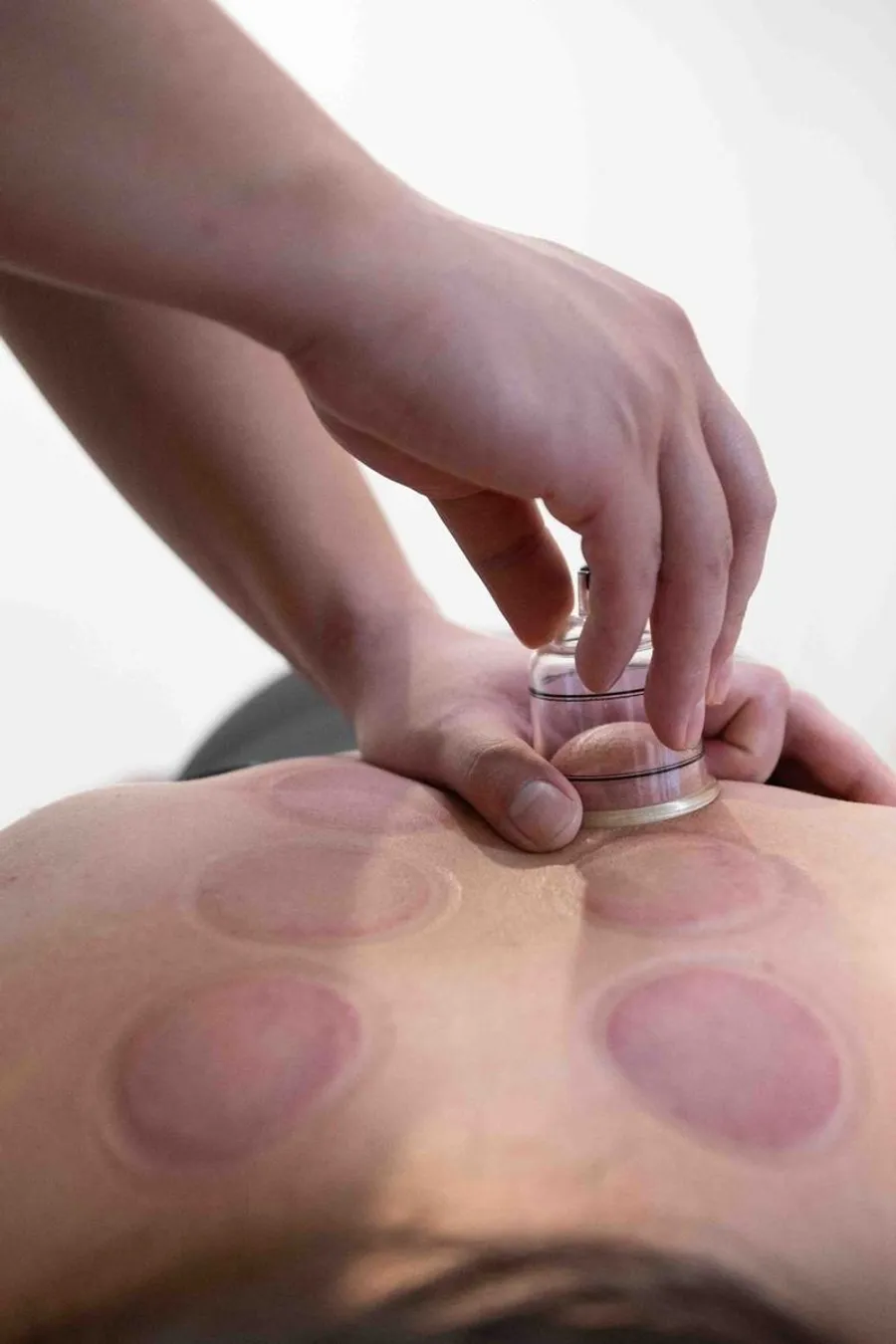
Swedish massage applies five primary techniques in sequence to address surface muscle layers. Each technique serves a specific purpose in the treatment protocol. Effleurage uses long, gliding strokes along the length of muscles to warm tissue and prepare the body for deeper work. Petrissage involves kneading, rolling, and lifting soft tissue to address muscle adhesions and stiffness.
Therapists at Revibe customize Swedish massage sessions based on assessment findings and your treatment goals. Pressure ranges from light to moderate, differing from deep tissue massage which uses sustained force to reach deeper muscle layers. The flowing, rhythmic nature of Swedish massage creates conditions that favor rest and recovery while addressing general muscle tension throughout the body.
Swedish massage sessions at Revibe begin with a health history review and discussion of treatment goals. The RMT asks about current symptoms, areas of tension, injury history, and pressure preferences. Treatment progresses systematically through major muscle groups including the back, shoulders, neck, arms, legs, and feet. Sessions last 30 to 90 minutes based on your preference and treatment needs. The RMT adjusts pressure throughout based on your feedback and tissue response.
Swedish massage addresses general muscle tension from various sources including office work, physical labor, repetitive strain, and mental stress. The treatment works for patients experiencing neck and upper back tension, general stiffness, sleep disruption related to muscle tightness, and those seeking relaxation. Swedish massage serves as foundational care for new massage therapy patients and maintenance for regular wellness.
Our registered massage therapists at Revibe use Swedish massage techniques to address a wide range of tension and stress-related conditions affecting muscles throughout the body.
Prolonged sitting creates tension in the neck, upper back, and shoulders. Swedish massage addresses these areas using effleurage and petrissage to release muscle tightness in the trapezius and levator scapulae. Forward head posture from computer work shortens chest muscles and lengthens upper back muscles. Treatment addresses both areas to restore balance and reduce strain.
Common scenarios Computer workers with neck and shoulder tension, office workers with upper back stiffness from prolonged sitting, desk workers experiencing headaches from muscle tightness.
Manual labor creates muscle fatigue and soreness in the back, legs, and arms. Swedish massage works systematically through affected muscle groups to address accumulated tension. Repetitive movements at work create localized stiffness and restricted range of motion. Treatment focuses on areas experiencing the most strain from daily activities.
Common scenarios Warehouse workers with back and leg muscle fatigue, assembly line workers with repetitive strain, manual laborers with general body soreness.
Muscle tension from mental stress affects the jaw, neck, shoulders, and back. Swedish massage addresses these areas while creating a calm environment that engages the parasympathetic nervous system. Sleep quality relates to physical tension levels. Reducing muscle tightness through massage creates conditions that favor rest and recovery.
Common scenarios Patients with stress-related muscle tension, individuals experiencing sleep difficulties related to physical tightness, those seeking relaxation and nervous system calming.
Accumulated muscle tension from daily activities creates overall stiffness and reduced mobility. Swedish massage provides full-body treatment that addresses tension patterns throughout the musculoskeletal system. The flowing strokes and rhythmic kneading reduce muscle adhesions and improve tissue pliability.
Common scenarios Patients with general body stiffness, individuals with reduced flexibility from muscle tightness, those seeking preventive care and wellness maintenance.
Physical activity creates muscle soreness and tension that benefits from Swedish massage. Treatment addresses post-exercise muscle tightness while promoting recovery. Swedish massage increases local blood flow to treated areas, supporting the body's natural healing processes. Athletes use Swedish massage between more intensive sports massage sessions for general maintenance.
Common scenarios Recreational athletes managing training-related muscle tension, active individuals seeking recovery support, fitness enthusiasts maintaining muscle health between workouts.
Swedish massage serves as the foundation for many massage modalities and provides an ideal introduction to manual therapy. The lighter to moderate pressure suits those new to massage or with sensitivity to touch. Patients experience the benefits of professional massage while becoming comfortable with the treatment process.
Common scenarios First-time massage patients, individuals uncertain about pressure preferences, those exploring massage therapy for wellness and relaxation.
Registered massage therapists select techniques based on assessment findings and your presentation. Each method addresses specific muscle tension and serves a particular purpose in treatment:
Effleurage uses long, gliding strokes along the length of muscles to warm tissue and prepare the body for deeper work. Therapists apply these strokes using palms and fingertips with varying pressure levels. This technique increases local blood flow and reduces nervous system activation. Effleurage begins and ends each Swedish massage session, creating smooth transitions between other techniques.
Petrissage involves kneading, rolling, and lifting soft tissue to address muscle adhesions and stiffness. This technique targets specific muscle groups including the trapezius, latissimus dorsi, and quadriceps. Therapists use palms, fingers, and thumbs to work deeper into muscle layers. Petrissage releases accumulated tension and improves tissue pliability.
Tapotement consists of rhythmic percussion movements including cupping, hacking, and tapping applied to muscle bellies. These movements stimulate nerve endings and increase local blood flow to treated areas. Tapotement provides stimulation rather than relaxation and appears selectively in Swedish massage sessions. The technique addresses specific muscle groups requiring increased circulation.
Friction applies circular or cross-fiber pressure to specific points where muscle fibers connect to tendons or fascia. Therapists use fingertips or thumbs to work small areas with focused pressure. This technique addresses localized tension and adhesions in specific structures. Friction targets areas that broader strokes cannot effectively reach.
Vibration and shaking movements create oscillation in soft tissue. Therapists apply these techniques using palms or fingertips to release tension in larger muscle groups. The rhythmic movement reduces muscle guarding and promotes relaxation. Vibration provides variety in stimulation and complements other Swedish massage techniques.
Swedish massage sessions at Revibe begin with a health history review and discussion of treatment goals. The RMT asks about current symptoms, areas of tension, injury history, and pressure preferences. This intake process ensures treatment addresses your specific needs and respects any contraindications or medical conditions.
You undress to your comfort level and lie on a massage table covered with sheets. The therapist uncovers only the area being worked on while keeping other body parts draped for privacy and warmth. Treatment progresses systematically through major muscle groups. A typical full-body session addresses the back, shoulders, neck, arms, legs, and feet in sequence.
The RMT adjusts pressure throughout the session based on your feedback and tissue response. You communicate your comfort level at any point during treatment. Therapists use unscented or lightly scented massage oil to reduce friction during strokes. After the session, you receive time to dress and reorient before leaving the treatment room. The RMT provides recommendations for post-massage care including hydration and movement.
Swedish massage combines with other manual and exercise therapies at Revibe. Chiropractors address spinal alignment while massage therapists work on surrounding muscle tension. Physiotherapists design strengthening programs that complement massage therapy's effects on tissue pliability and range of motion.
This integrated approach addresses both mechanical dysfunction and tissue tension. Patients receiving chiropractic adjustments for spinal alignment combine treatment with massage for muscle tension affecting joint mechanics. Physiotherapy patients use Swedish massage to address muscle tightness that limits exercise performance or range of motion.
Beyond Swedish massage, Revibe offers specialized massage modalities including deep tissue, sports massage, prenatal massage, trigger point therapy, cupping therapy, lymphatic drainage, and myofascial release. RMTs recommend specific modalities based on your assessment findings and treatment goals.
Practitioners communicate about treatment responses and progression. Shared treatment notes track range of motion changes, tension patterns, and functional improvements. This coordination prevents conflicting treatment approaches and optimizes recovery timelines for patients addressing muscle tension and related conditions.
Drink water after massage sessions. Manual pressure on muscles releases metabolic waste products into circulation. Hydration supports waste removal through the kidneys. Avoid strenuous exercise for several hours after deep pressure massage. Muscles need recovery time after treatment before engaging in intense physical activity.
Some patients experience temporary soreness in treated areas, especially during initial sessions. This soreness typically resolves within 24-48 hours as muscles adapt to manual therapy. Gentle stretching maintains flexibility between massage appointments. RMTs demonstrate specific stretches targeting areas with persistent tension.
Apply heat or ice to sore areas based on RMT recommendations. Heat relaxes muscles while ice reduces inflammation in recently injured tissue. Session frequency depends on symptom severity, treatment goals, and individual response to massage. Your RMT reassesses treatment effectiveness at each session and adjusts frequency recommendations based on your progress.
Swedish massage uses lighter to moderate pressure with flowing strokes on surface muscles. Deep tissue applies sustained, firm pressure to reach deeper muscle layers and connective tissue. Swedish massage emphasizes relaxation and general tension relief while deep tissue targets specific chronic pain and restrictions.
Patients undress to their comfort level. Most remove all clothing except underwear. The RMT uses professional draping to keep non-treated areas covered throughout the session. You remain covered with sheets except for the specific area receiving treatment at any given time.
Swedish massage addresses general muscle tension but uses less pressure than modalities specifically designed for chronic pain. Patients with persistent pain discuss treatment options with their RMT to determine the most appropriate approach. Deep tissue or other specialized techniques may better suit chronic pain conditions.
Session frequency depends on individual needs. Monthly maintenance suits most people while those with high stress or physical demands benefit from bi-weekly or weekly sessions. Your RMT recommends a schedule based on your response to treatment and functional goals.
Most insurance plans do not require physician referrals for RMT services. Some policies have referral requirements. Patients verify their specific coverage details with their insurance provider. Revibe offers direct billing for extended health benefits that include massage therapy.
Falling asleep during Swedish massage is common. The relaxed state indicates successful nervous system engagement. RMTs continue treatment and gently wake patients when the session ends. Sleeping during massage demonstrates the treatment's effectiveness in promoting relaxation.
Yes, with modifications. RMTs trained in prenatal massage adjust positioning and avoid certain areas during pregnancy. Pregnant patients inform their therapist before booking. Specialized positioning using pillows ensures comfort and safety throughout the session.
Duration varies by individual. Most patients notice immediate tension reduction lasting several days to weeks. Regular sessions maintain results and prevent tension accumulation. Consistent treatment produces longer-lasting effects than sporadic appointments.
First-time patients book 60 or 90-minute sessions to allow adequate time for intake and full-body treatment. Focused sessions targeting specific areas like back, neck, and shoulders fit into 30 or 45-minute appointments. Session length depends on treatment goals and available time.
Most extended health plans in Ontario cover massage therapy by registered massage therapists. Coverage varies by provider with annual limits ranging from $300-$2000. Revibe offers direct billing for accepted plans and provides receipts for insurance submission. Verify specific plan details regarding massage therapy coverage.
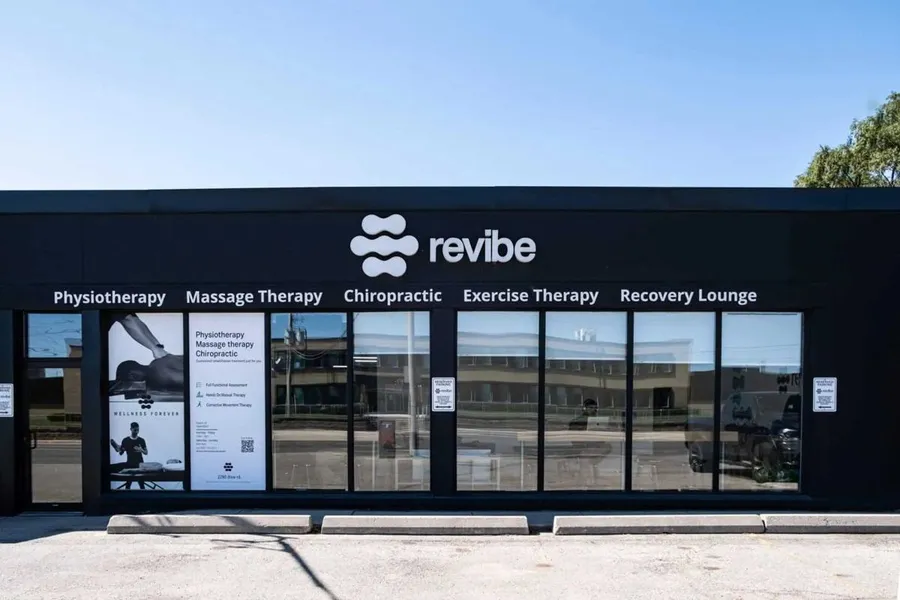
Pick your clinic. You book straight into Jane, our scheduling system, where you choose your practitioner and time.
 Mississauga 2290 Dixie Rd (289) 806-5123 Your clinic
 Markham 220 Torbay Rd (905) 783-8423 Your clinic
Not sure what to book? Take the Care Map or call Mississauga or Markham.
Tell us what you need and the team will call you back to book the right session.
Prefer to book yourself?
7 questions that reveal which areas of your body are ready to perform, which need attention, and exactly which tools can help you get back to feeling like yourself.
Tap a circle to learn more.
The best way to start improving these areas is with a first session where we review your Care Map and begin reducing the stress on your body.
Want to save these results? and we'll include a downloadable copy.
Tell us a bit about yourself and we'll have a clinician review your Care Map results before your first session.
The Revibe team will be in touch shortly. Your personalized Care Map summary is below, save or print it for later.
Your Care Map report is below
Care Map results
Your progress will not be saved.
The Care Map is how we understand your body clearly and completely. Instead of chasing symptoms, we look at what is limiting you right now and build a plan around it.
What it gives you
What your body can handle today. Some days you are ready to push, other days you need support first.
You may feel this if
Revibe tools that help
How well your body recharges. Effort only becomes progress when recovery happens.
You may feel this if
Revibe tools that help
How much stress your body is under: training, work, sleep and mental load. The goal is managing demand, not doing more.
You may feel this if
Revibe tools that help
What is happening inside your body. Internal systems drive healing, energy and adaptation.
You may feel this if
Revibe tools that help
What your body can sustain long term. Can it handle repeated effort without breaking down?
You may feel this if
Revibe tools that help
How you respond to pressure. Confidence and clarity shape consistency.
You may feel this if
Revibe tools that help