
Post Surgical Rehab To Restore Strength And Mobility

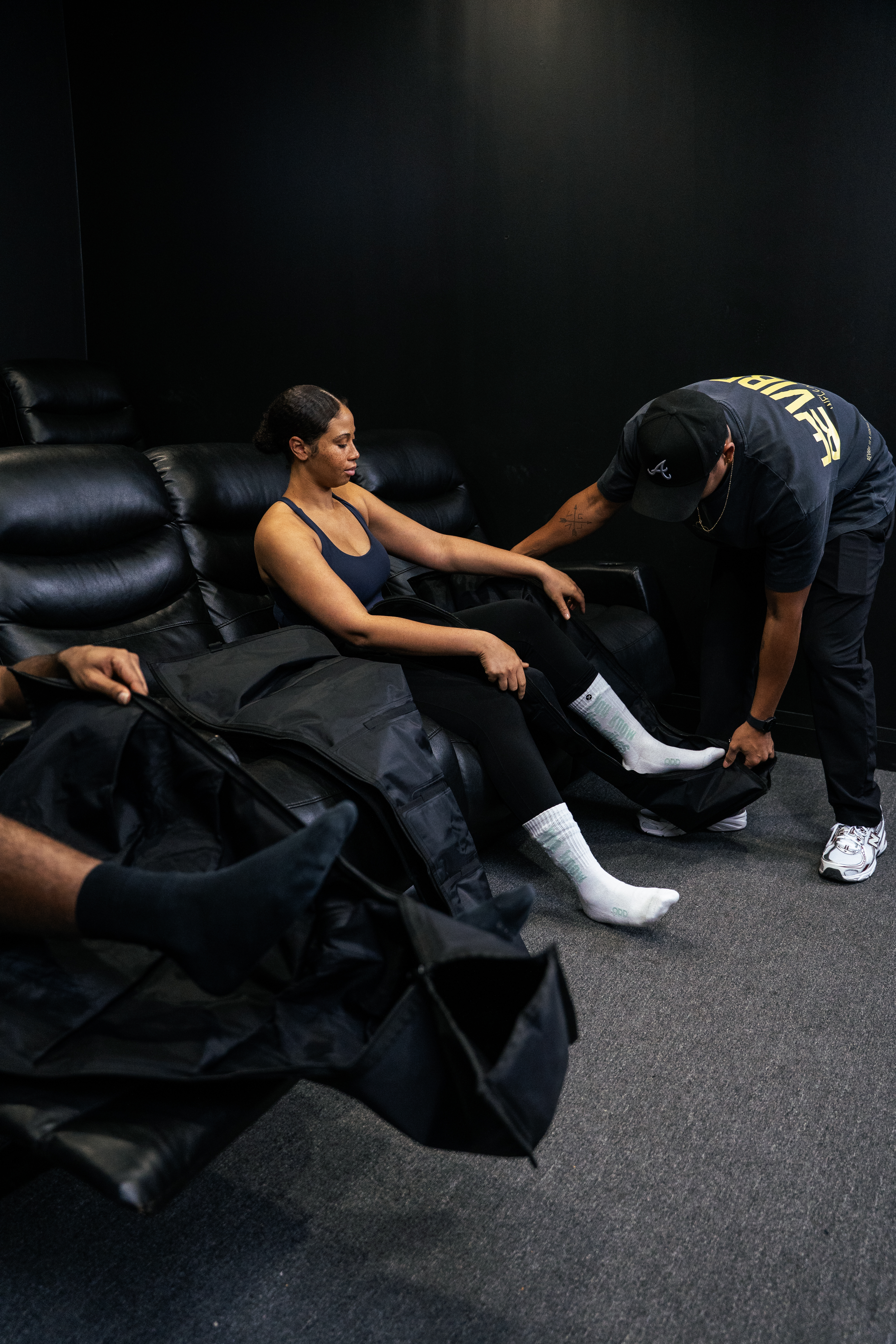
Returning to normal activities after surgery often requires more than rest alone. As the body heals, reduced movement can lead to muscle weakness, joint stiffness, and limited mobility. A structured post surgical rehab program supports recovery by helping patients rebuild strength, improve flexibility, and restore functional movement. Through personalized exercises and guided care, rehabilitation promotes gradual progress while reducing the risk of setbacks. Taking part in post surgical rehab can help individuals recover more effectively and regain confidence in their daily routines.
Understanding Post Surgical Rehab And Its Role In Recovery
Surgery is only one step in the healing process, and the body still requires structured support afterward to regain normal function. Post surgical rehab focuses on guiding recovery by helping patients restore movement, rebuild strength, and improve overall physical performance after a procedure. Each rehabilitation plan is designed according to the type of surgery, the patient’s condition, and specific recovery goals.
This may include orthopedic procedures, spinal operations, or soft tissue repairs. The goal is to support safe healing while gradually improving mobility and independence. With consistent post surgical rehab, patients can return to daily routines with better comfort, improved control of movement, and reduced risk of long-term physical limitations.
When To Begin Rehabilitation After Surgery
The timing of post surgical rehab depends on the type of surgery performed and the medical team’s instructions. Some patients are encouraged to begin light, controlled movements within a few days after surgery, while others must wait longer to allow proper tissue healing. Starting at the right time is important because it helps prevent stiffness, supports blood circulation, and reduces muscle loss without putting stress on healing areas.
A delayed or rushed start may affect recovery progress. Under professional supervision, rehabilitation is carefully introduced based on the patient’s condition. This ensures that each stage of recovery is safe, structured, and aligned with the body’s natural healing response for better long-term outcomes.

Common Challenges Patients Face During Recovery
After surgery, many individuals experience physical challenges that can slow recovery and affect daily activities. Muscle weakness is common due to reduced movement during healing, while joints may become stiff and difficult to move comfortably. Swelling around the surgical site can also limit mobility and create discomfort during basic tasks such as walking or standing. Some patients may also experience balance issues or reduced coordination, especially after lower body or orthopedic procedures.
These limitations can make routine activities more difficult without support. A structured post surgical rehab program helps address these challenges through controlled exercises, guided movement, and gradual progression designed to restore strength, stability, and functional independence safely.
Restoring Muscle Strength After A Surgical Procedure
Muscle strength often decreases after surgery due to inactivity and the body’s natural protective response during healing. This weakness can affect posture, movement control, and overall stability, making daily tasks more difficult. Post surgical rehab introduces carefully planned strengthening exercises that target both the affected area and surrounding muscle groups. These exercises are progressed gradually to ensure safety while encouraging steady improvement.
As strength returns, patients often notice better balance, improved movement efficiency, and reduced strain on healing tissues. Restoring muscle function is essential not only for mobility but also for preventing future injury. Consistent rehabilitation helps rebuild confidence in physical movement and supports long-term recovery success.
Improving Mobility And Joint Function
Mobility is a key part of recovery after surgery, as joints and surrounding tissues often become stiff due to limited movement, swelling, or healing restrictions. Post surgical rehab focuses on restoring flexibility and improving joint function through controlled and guided exercises. These movements help the body regain proper alignment and smoother motion patterns. As mobility improves, patients find it easier to perform daily activities such as walking, bending, and reaching.
Improved joint function also reduces physical limitations and supports better overall movement quality. Over time, consistent rehabilitation helps restore independence, allowing individuals to move more comfortably and confidently while continuing to heal properly.
What To Expect During A Post Surgical Rehab Program
A post surgical rehab program is designed to support structured and progressive recovery after surgery. It typically begins with an assessment to understand the patient’s condition, mobility level, and healing stage. Based on this, a personalized plan is created that may include mobility exercises, strengthening routines, balance training, and functional movement practice.
Patients are also guided on safe movement habits to prevent strain or setbacks during recovery. As progress is made, the program is adjusted to match improving strength and flexibility. This step-by-step approach ensures steady recovery while maintaining safety. The goal is to help patients regain independence and return to daily activities with improved physical function.
How Rehabilitation Supports Pain Management And Healing
Pain and discomfort are common during recovery, but controlled movement through post surgical rehab can help manage these symptoms effectively. Gentle exercises encourage better blood circulation, which supports tissue healing and reduces stiffness around the surgical area. As mobility improves, muscle tension decreases, leading to greater comfort during movement. Rehabilitation also helps improve joint function and muscle balance, reducing unnecessary strain on healing tissues.
While some exercises may feel challenging at first, they are designed to promote gradual adaptation and recovery. Over time, consistent rehabilitation can help reduce discomfort, improve physical function, and support a smoother healing process, allowing patients to return to daily activities more comfortably.

Recovery Timelines And Progress Milestones
Recovery timelines after surgery vary depending on the type of procedure, overall health, and individual healing response. Some patients may notice improvements within a few weeks, while others may require several months of post surgical rehab to achieve full functional recovery. Instead of focusing only on time, progress is better measured through milestones such as improved mobility, reduced stiffness, and increased strength.
Other indicators include walking with better stability, performing daily tasks more easily, and returning to normal activities. Recognizing these milestones helps maintain motivation throughout the rehabilitation process. Each small improvement reflects steady healing and contributes to long-term recovery success and better physical independence.
Frequently Asked Questions
How Soon Should Post Surgical Rehab Start After Surgery?
The timing depends on surgery type and medical advice, sometimes beginning within days, or after a longer healing phase safely.
How Long Does Rehabilitation Usually Take?
Recovery duration varies per procedure and patient condition, ranging from a few weeks to several months depending on progress and goals.
Can Rehabilitation Improve Mobility After Surgery?
Yes, rehabilitation includes targeted movements that restore joint flexibility, improve range of motion, and support smoother, more controlled physical movement.
Is Post Surgical Rehab Painful?
Some mild discomfort may occur during exercises, but programs are carefully designed to remain safe, gradual, and supportive throughout recovery.
What Types Of Surgeries Benefit From Rehabilitation?
Many surgeries benefit including orthopedic, knee, hip, shoulder, spinal, and ligament procedures that require strength and mobility restoration after healing.
Conclusion
Recovering from surgery requires patience, consistency, and a structured approach to healing. Post surgical rehab plays an important role in helping individuals restore strength, improve mobility, and regain independence after a procedure. Through guided exercises, movement training, and gradual progression, rehabilitation supports physical recovery while helping patients return to their daily activities with greater confidence.
In Markham, Revibe provides personalized support designed to guide recovery at every stage, focusing on safe progress and improved function. Patients can reach out at 905-783-8423 to learn more about available programs. By staying committed to a tailored rehabilitation plan, individuals can work toward better long-term outcomes, enhanced movement, and an improved quality of life after surgery.