
Physiotherapy in Markham for Shoulder Pain Relief

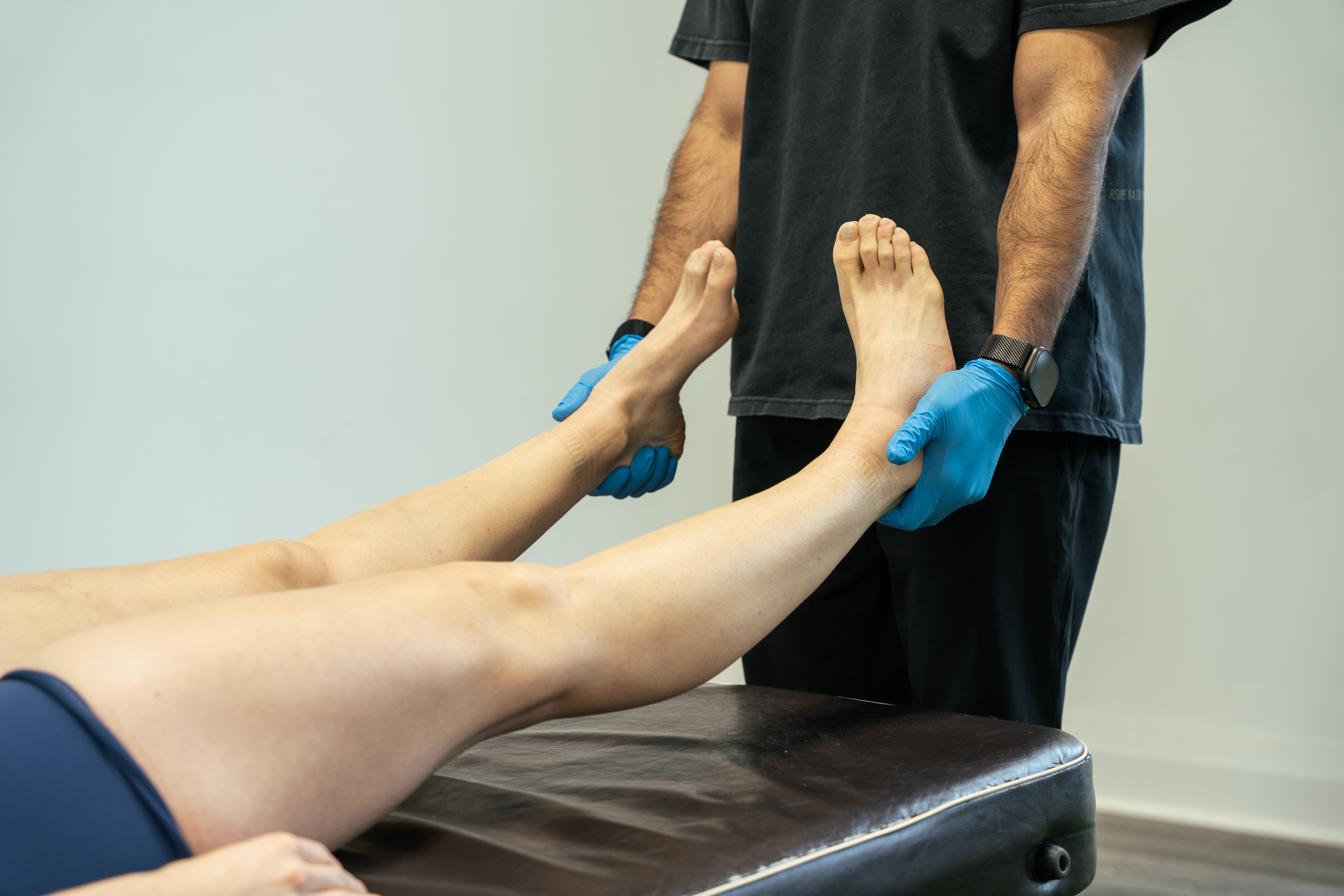
Shoulder pain can affect everyday activities such as reaching, dressing, working, driving, exercising, and sleeping. Discomfort may develop after an injury, repetitive movement, poor posture, muscle strain, or problems affecting the shoulder joint. Physiotherapy in Markham can help assess your symptoms, movement, and physical limitations to create a treatment plan suited to your needs. Personalized care may focus on improving shoulder mobility, building strength, and supporting better function, helping you gradually return to work, exercise, and activities you enjoy with greater comfort.
Causes of Shoulder Pain That Can Affect Daily Movement
Shoulder pain can develop for many reasons, including muscle strain, repetitive movements, sports injuries, poor posture, and problems affecting the joint or surrounding tissues. Because the shoulder allows a wide range of movement, it depends on the coordinated function of muscles, tendons, ligaments, and bones. Repeated overhead activities, lifting, or prolonged desk work may gradually place stress on the area.
Some people experience sudden pain after an injury, while others notice symptoms developing over time. A physiotherapist can assess shoulder movement, strength, and physical limitations to help identify factors contributing to discomfort. This assessment supports a treatment plan based on your individual symptoms and daily needs.
Shoulder Pain Symptoms That May Need Attention
Shoulder pain can feel different depending on its cause and severity. Some people notice a dull ache, while others experience sharper discomfort during specific movements. Symptoms may become more noticeable when lifting the arm, reaching behind the back, exercising, or sleeping on the affected side. Stiffness, weakness, reduced range of motion, and clicking may also affect shoulder function.
When these symptoms continue, they can make ordinary tasks increasingly difficult. Physiotherapy in Markham can help assess movement restrictions and areas of weakness that may contribute to discomfort. Understanding how your symptoms affect movement can help guide a personalized approach focused on improving function and supporting your recovery goals.
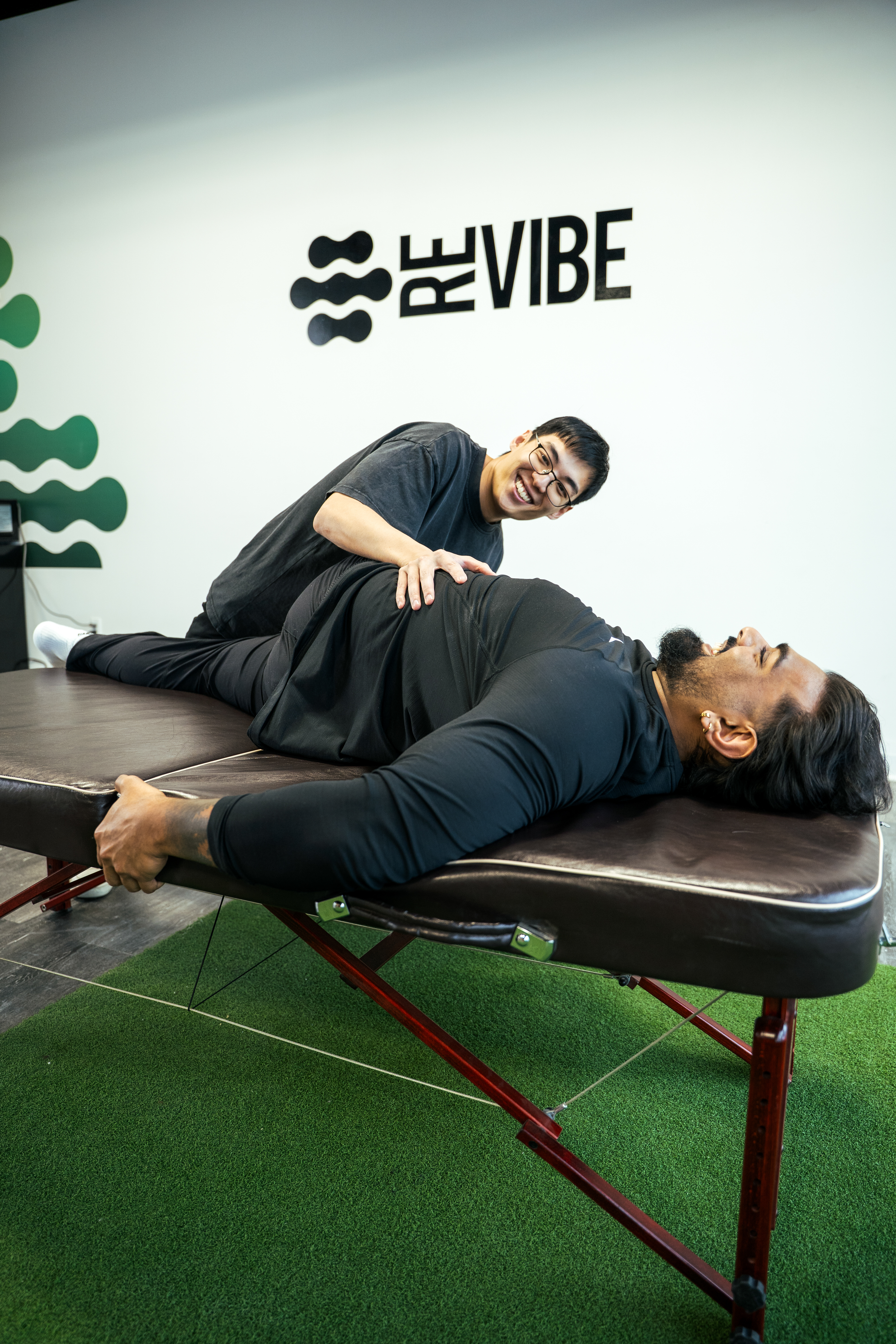
How Shoulder Pain Can Affect Work and Everyday Activities
Shoulder pain can interfere with many activities that are part of your normal routine. Office workers may experience discomfort while sitting at a desk, especially when prolonged positions affect posture and upper-body movement. Physical jobs involving lifting, carrying, pushing, pulling, or reaching can also become more difficult. Athletes may notice pain during swimming, tennis, weight training, or other activities involving the upper body.
Even dressing, grooming, driving, carrying groceries, or sleeping can become uncomfortable when shoulder movement is limited. Avoiding painful movements may also change how other parts of the body work. Addressing these limitations may help support more comfortable movement during work, exercise, and daily activities.
What to Expect During a Physiotherapy Assessment
A physiotherapy assessment helps provide a clearer understanding of your shoulder pain and how it affects movement. During your appointment, the physiotherapist may ask when your symptoms began, what activities increase discomfort, and whether an injury may have contributed to the problem. The assessment may include checking your shoulder range of motion, muscle strength, posture, joint movement, and movement patterns.
You may also be asked to perform specific movements so the physiotherapist can observe how your shoulder, arm, neck, and upper back work together. The findings can help guide an individualized treatment plan that may be adjusted as your symptoms, strength, and physical abilities change.
Physiotherapy Treatments That May Help Shoulder Pain
Treatment for shoulder pain can vary depending on your symptoms, physical condition, and the possible cause of the problem. Physiotherapy may combine different approaches to support movement and function. Depending on your assessment, treatment may include manual therapy, therapeutic exercises, stretching, mobility work, strengthening exercises, and guidance related to posture or movement patterns.
Exercises may focus on the shoulder, upper back, and surrounding muscles to support better coordination during daily activities. A treatment plan should be adjusted to your needs and physical abilities. The exercises and techniques that may suit one person may not be appropriate for another, making individual assessment an important part of physiotherapy care.
The Importance of Shoulder Strength and Mobility
Shoulder strength and mobility both play an important role in everyday movement. Stiffness may make it difficult to reach, lift, or move the arm through its normal range, while weakness can affect the way you perform regular tasks. Activities such as reaching overhead require coordination between the shoulder joint, surrounding muscles, upper back, and trunk.
If one area is restricted or weak, other parts may need to work harder. Physiotherapy may focus on flexibility, joint mobility, strength, coordination, posture, and movement control. Exercises can be adjusted as your abilities change, helping support practical improvements related to work, exercise, household tasks, and daily movement.
Returning to Work, Exercise, and Daily Activities After Shoulder Pain
Returning to regular activities after shoulder pain may require a gradual approach. Trying to resume demanding movements too quickly can place additional stress on a shoulder that is still recovering. A physiotherapy program may help you work toward returning to work duties, exercise, sports, lifting, carrying, and household activities.
The pace of progress can depend on the cause of your symptoms, how long the pain has been present, and your overall physical condition. Your physiotherapist may provide guidance on modifying certain movements while your shoulder improves. As mobility, strength, and comfort increase, activities can be gradually adjusted to support a more confident return to your normal routine.
When to Seek Professional Help for Shoulder Pain
Shoulder pain that continues to affect your routine may be worth discussing with a qualified healthcare professional. An assessment may be helpful if you experience ongoing discomfort, increasing stiffness, weakness, difficulty lifting your arm, or pain that affects your sleep. Professional guidance may also be appropriate after a sports injury, workplace injury, or other event that affects shoulder movement.
A physiotherapist can assess your mobility, strength, and function to help determine an appropriate treatment approach. Severe pain after a significant injury or a sudden major loss of movement may require prompt medical attention. Early assessment may also help you better understand your symptoms and available care options.

Physiotherapy in Markham for Personalized Shoulder Care
Finding local care can make it easier to address shoulder pain and stay consistent with a treatment plan. Physiotherapy in Markham provides access to professional assessment and personalized care for people experiencing shoulder discomfort, stiffness, weakness, or limited movement. Your treatment may consider your work requirements, exercise routine, previous injuries, daily activities, and personal recovery goals.
Rather than following the same approach for every person, physiotherapy can be adapted according to your symptoms and physical needs. If shoulder pain is affecting your work, sleep, exercise, or everyday activities, scheduling a physiotherapy assessment in Markham can help you discuss your concerns and explore appropriate treatment options.
Frequently Asked Questions
Can physiotherapy help with shoulder pain?
Physiotherapy may improve shoulder movement, strength, flexibility, and function while addressing contributing factors based on your symptoms and assessment findings.
How long does shoulder physiotherapy take?
Treatment length varies depending on your condition, symptom duration, recovery progress, physical needs, and response to the recommended treatment plan.
Can physiotherapy help with a stiff shoulder?
Physiotherapy may support improved shoulder mobility through personalized exercises, movement techniques, and hands-on care suited to the cause of stiffness.
Should I see a physiotherapist after a shoulder injury?
A physiotherapy assessment may help evaluate movement, strength, and function while providing guidance appropriate for your specific shoulder injury and recovery.
How often should I attend physiotherapy for shoulder pain?
Your physiotherapist can recommend an appointment schedule based on your symptoms, treatment needs, recovery progress, and individual activity goals.
Conclusion
Shoulder pain can affect work, exercise, sleep, and many everyday movements, making professional guidance valuable when symptoms continue. Identifying the possible cause and addressing limitations in strength, mobility, flexibility, and movement may help support better shoulder function. Physiotherapy in Markham provides personalized assessment and treatment for people experiencing shoulder pain and related movement difficulties.
At Revibe, individuals can discuss their symptoms, daily challenges, and recovery goals with a qualified physiotherapy team. If shoulder discomfort continues to interfere with your normal activities, seeking professional assessment may help you better understand your condition and explore appropriate care options. To learn more about physiotherapy services in Markham or schedule an appointment, contact Revibe at 905-783-8423 and take the next step toward improved shoulder movement and daily function.