Physiotherapy in Markham After Surgery Recovery

Recovering after surgery involves more than waiting for the body to heal. Stiffness, reduced strength, limited mobility, and difficulty returning to daily routines can affect walking, working, exercising, and household activities. A structured rehabilitation plan can support your recovery while helping you work toward your physical goals. Physiotherapy in Markham focuses on movement, strength, mobility, and function through care tailored to your procedure and abilities. With appropriate guidance, rehabilitation can help rebuild physical confidence and support a gradual return to the activities that matter most.
Understanding Recovery After Surgery
Every surgical recovery follows a different path. The type of procedure, area treated, overall physical condition, and daily routine can all affect how quickly you regain movement and strength. Some people experience weakness after spending time resting, while others notice stiffness, discomfort, swelling, or difficulty using the affected area normally.
Changes in movement can also lead to compensating with other parts of the body, which may affect balance, flexibility, and everyday function. Post-surgery physiotherapy can help address these challenges through a rehabilitation plan suited to your recovery stage. A physiotherapist can assess your movement and physical abilities before developing a plan focused on your procedure, current needs, and goals for returning to daily activities.
How Physiotherapy Supports Post Surgery Rehabilitation
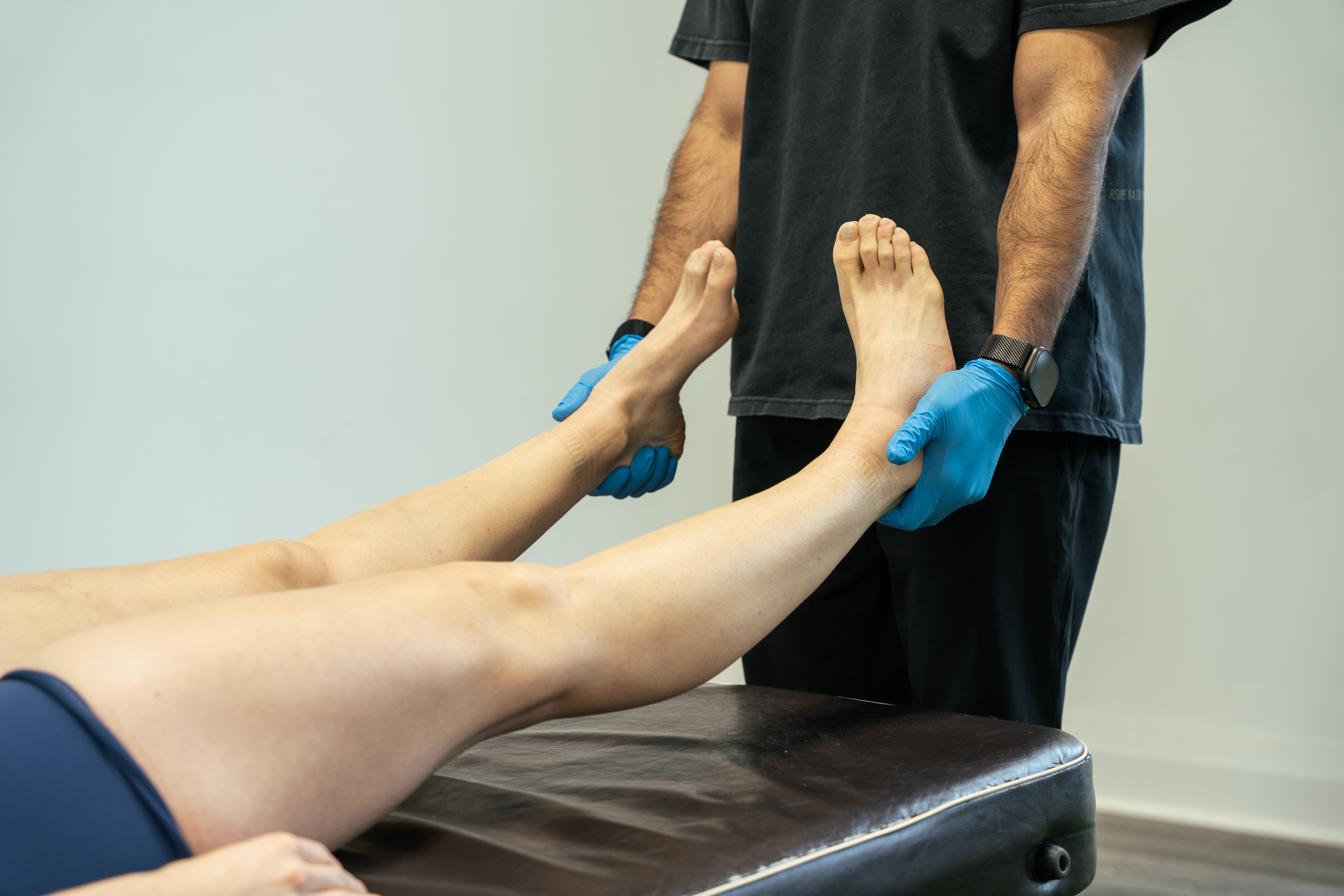
Physiotherapy can support the process of regaining movement and physical function after surgery. Treatment may focus on improving mobility, rebuilding strength, addressing stiffness, and gradually helping you return to daily activities. During an assessment, your physiotherapist may review your movement, strength, flexibility, balance, and the challenges affecting your normal routine. Your treatment may include guided exercises, mobility work, range of motion exercises, balance training, movement education, and hands-on techniques when appropriate. As your recovery progresses, your exercises can be adjusted to match your changing abilities. Early rehabilitation may focus on basic movement, while later treatment may involve activities that support your return to work, exercise, sports, and other important parts of your lifestyle.
Restoring Strength and Mobility Gradually
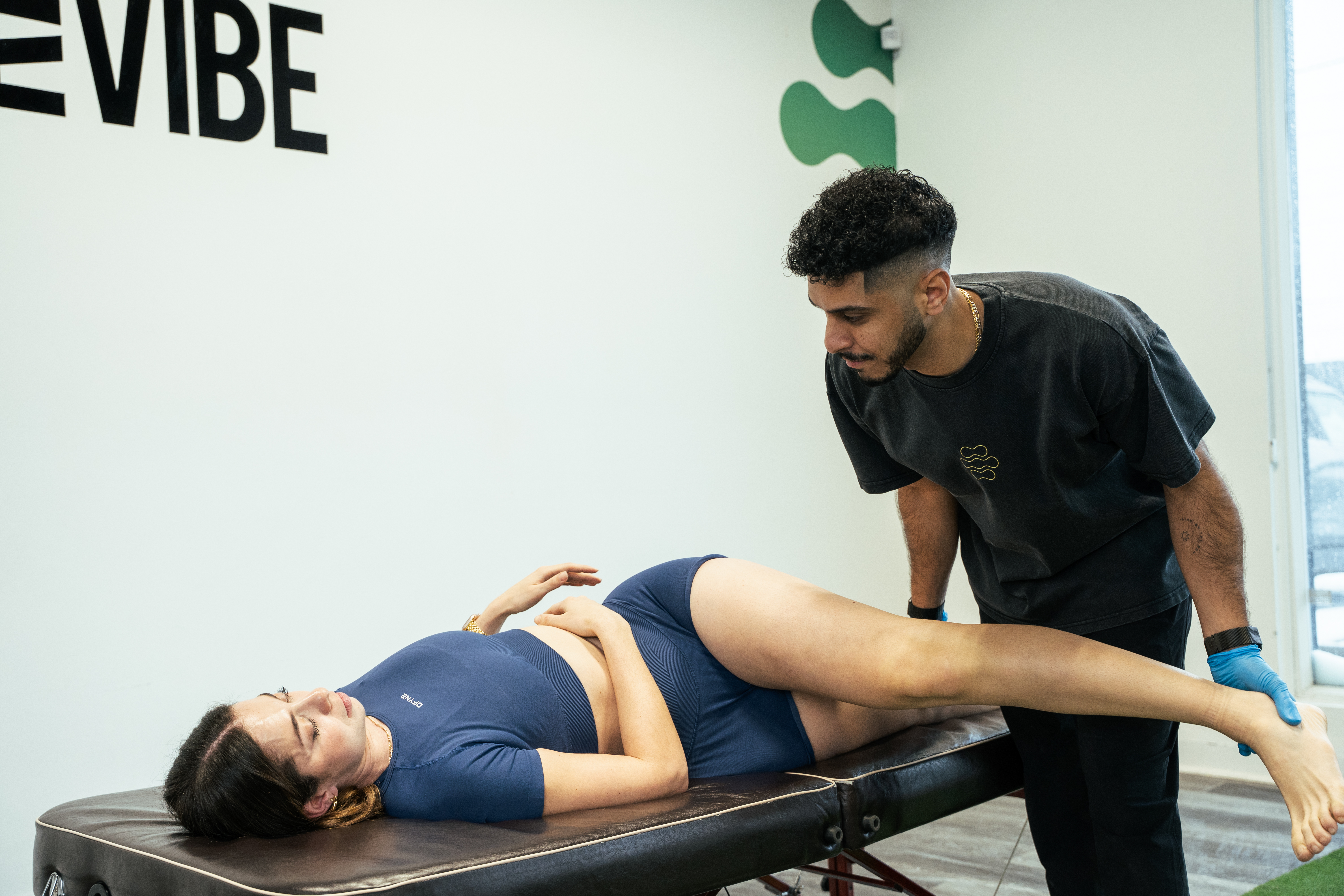
Muscle weakness can develop after surgery, especially when movement has been limited during the recovery period. Even a short period of reduced activity may affect strength, endurance, balance, and confidence when performing everyday tasks. A gradual physiotherapy program can help you rebuild these abilities at a pace suited to your recovery. Exercises may begin with simple movements before progressing as your strength improves.
Mobility is also an important part of post-surgery rehabilitation. Limited movement can make walking, reaching, bending, sitting, standing, or using the affected area more difficult. Physiotherapy in Markham can help address strength and mobility together while adjusting your rehabilitation plan according to your progress and the physical demands of your lifestyle.
Managing Stiffness and Limited Movement
Stiffness after surgery can affect how comfortably and freely you move throughout the day. Depending on your procedure, you may experience reduced range of motion or difficulty performing movements that were once part of your normal routine. Limited mobility can also change the way you walk, sit, stand, or use the affected area. Some people may avoid certain movements or rely more heavily on other parts of the body.
A physiotherapist can assess these changes and introduce appropriate exercises or treatment techniques based on your condition and recovery stage. Improving movement is often a gradual process. Professional guidance can help you understand your current abilities while supporting progress toward greater mobility and everyday physical function.
Creating a Recovery Plan for Daily Activities
Post-surgery rehabilitation is not only about improving strength or flexibility. For many people, the main goal is returning to daily life with greater ease and confidence. You may want to walk comfortably, return to work, use stairs, care for family members, exercise, or complete household tasks without the same limitations. Your physiotherapy plan can take these goals into account.
Someone returning to an office job may need support with general mobility and sitting tolerance, while someone with physically demanding work may need to rebuild strength and endurance. By focusing on movements that relate to your routine, a personalized recovery plan can make rehabilitation more meaningful and practical for your everyday needs.
Returning to Work Exercise and Physical Activities
Returning to work, exercise, sports, and other physical activities after surgery often requires a gradual approach. Different activities place different demands on the body, so your rehabilitation goals may depend on your daily routine. Someone who spends most of the day sitting may have different needs from someone who regularly lifts, bends, stands, or performs repetitive movements. If you participate in sports or exercise, your rehabilitation may eventually include movements that reflect the physical demands of those activities. Physiotherapy can help you gradually develop the strength, mobility, balance, and endurance needed for your goals. Your treatment plan can also be adjusted as your abilities improve, helping your rehabilitation remain relevant to your changing needs.
When to Consider Physiotherapy After Surgery
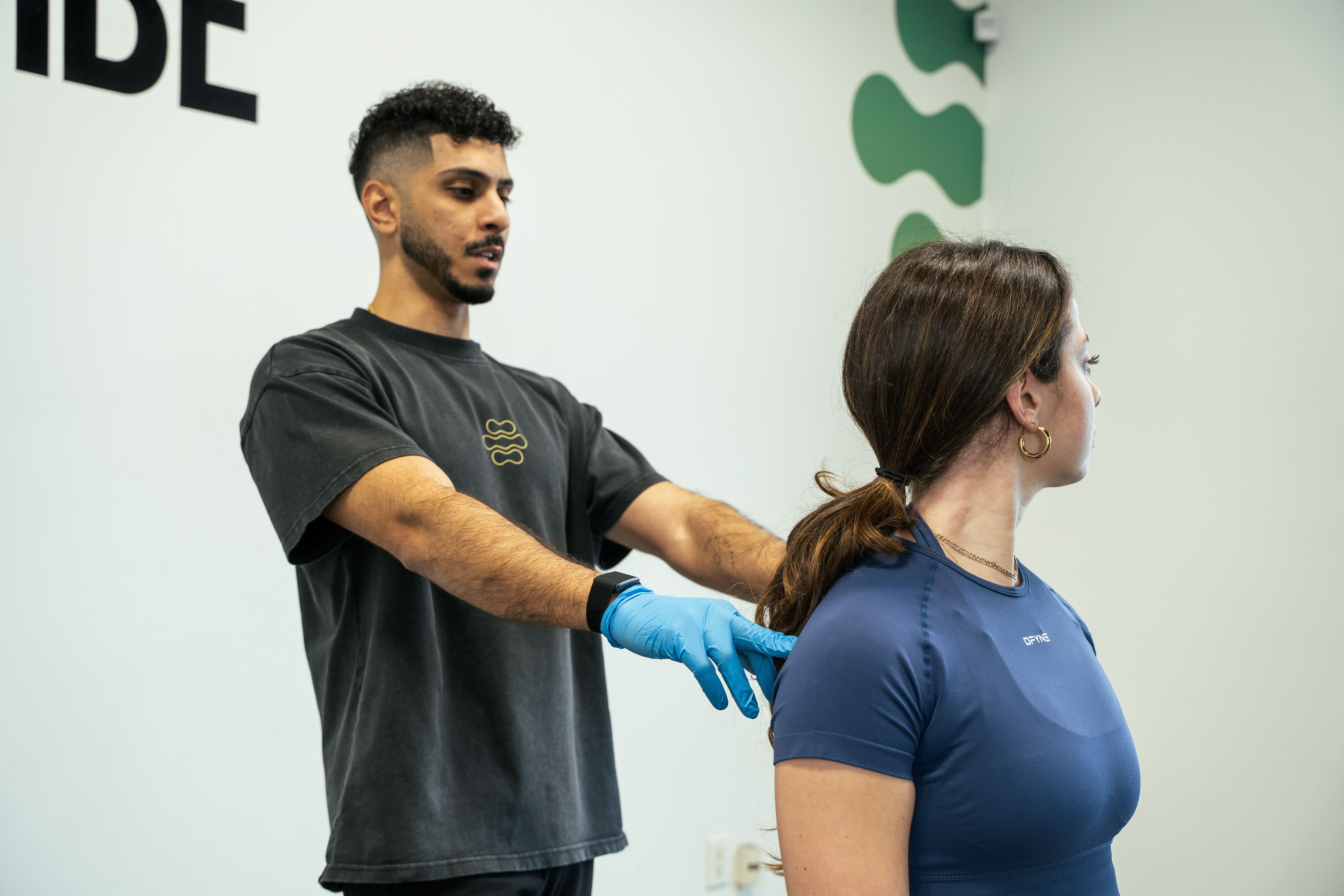
The appropriate time to begin physiotherapy after surgery can depend on your procedure, healing progress, and instructions from your healthcare team. Some people may begin rehabilitation during the early stages of recovery, while others may follow a different timeline. It may be worth discussing physiotherapy if you continue to experience stiffness, weakness, limited mobility, or difficulty returning to everyday activities.
You may also benefit from guidance if you are unsure how to rebuild strength or safely resume exercise and work. A physiotherapist can assess your current abilities and identify areas that may benefit from rehabilitation. Any post-surgery instructions or restrictions should be considered when developing a plan that suits your recovery and physical goals.
What to Expect During Physiotherapy in Markham After Surgery
Many people are unsure what to expect during their first post-surgery physiotherapy appointment. Your initial visit may focus on understanding your surgery, current symptoms, movement limitations, daily activities, and recovery goals. Your physiotherapist may assess your strength, mobility, flexibility, balance, and movement where appropriate. Based on this assessment, your treatment plan may include exercises suited to your recovery stage, mobility work, progressive strength training, and guidance for everyday movements. You may also receive recommendations to support your rehabilitation between appointments. As your recovery progresses, your plan can change. Exercises that suit the early stages may eventually progress to more demanding movements designed to support your return to work, exercise, sports, and daily activities.
Frequently Asked Questions
How soon can physiotherapy begin after surgery?
Timing depends on your procedure, healing progress, and healthcare guidance. A physiotherapist can help determine an appropriate rehabilitation starting point.
What does post surgery physiotherapy include?
Treatment may include guided exercises, mobility training, strength work, flexibility exercises, movement education, and techniques suited to your recovery needs.
How often should I attend physiotherapy after surgery?
Your recommended schedule depends on your surgery, recovery stage, personal goals, treatment needs, and progress throughout the rehabilitation process.
Can physiotherapy help with stiffness after surgery?
Physiotherapy may improve mobility and address stiffness through appropriate exercises and treatment techniques suited to your condition and recovery stage.
Can physiotherapy help me return to normal activities?
Physiotherapy can support gradual improvements in strength, mobility, balance, and function to help you return to everyday activities.
Conclusion
Recovering after surgery can take time, especially when weakness, stiffness, or limited mobility makes everyday activities more difficult. A personalized rehabilitation plan can help you improve movement, rebuild strength, and gradually return to the activities that matter most. Physiotherapy in Markham can support different stages of post-surgery recovery with care based on your procedure, physical abilities, and personal goals.
At Revibe, patients in Markham can receive support focused on their individual recovery needs and progress. If you are having difficulty progressing after surgery or need guidance as you work toward returning to normal activities, speaking with a qualified physiotherapist can help you understand your next steps. Contact Revibe at 905-783-8423 to learn more about physiotherapy and post-surgery rehabilitation in Markham.