
Physiotherapy and Chiropractic Key Differences

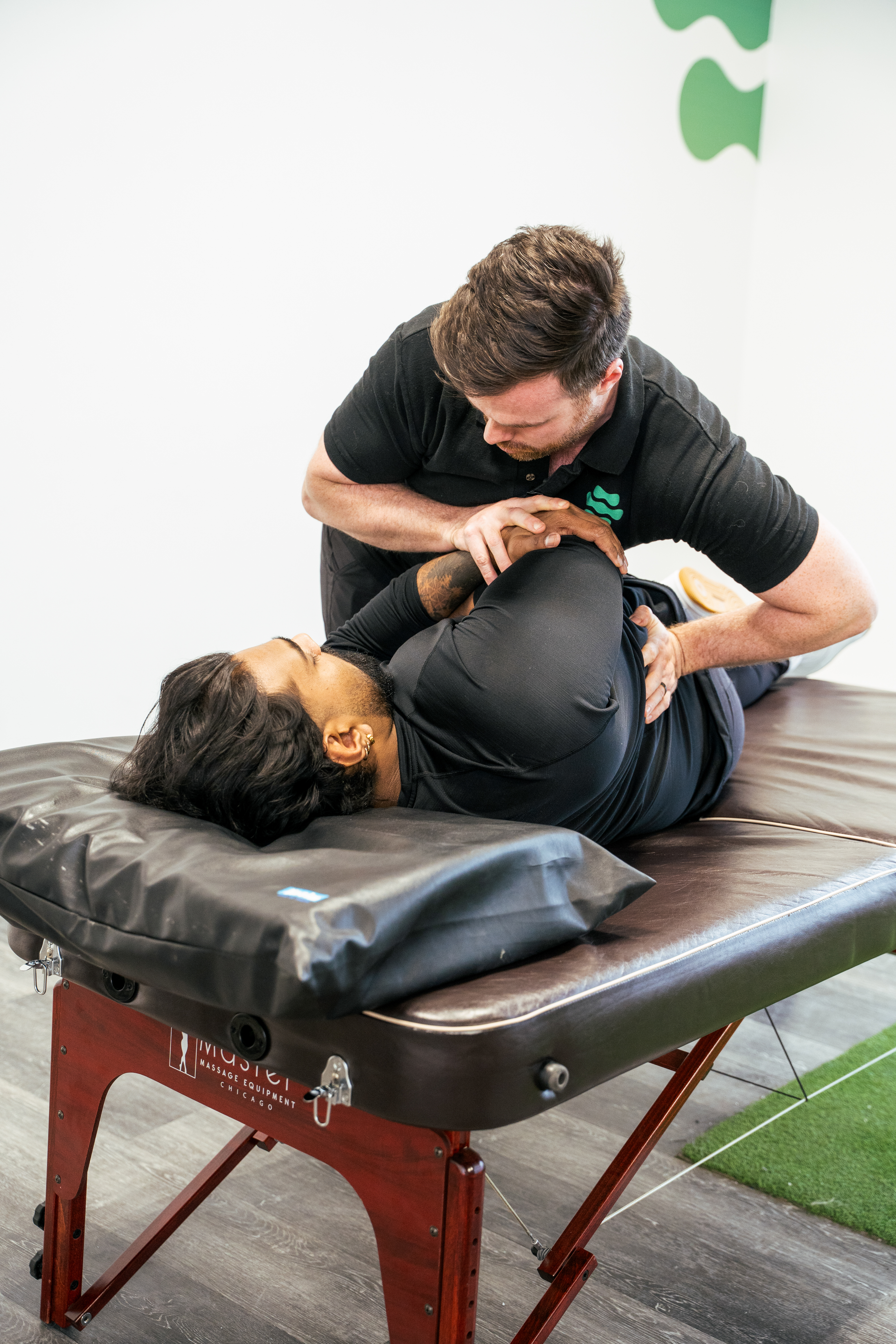
When it comes to managing pain or recovering from injuries, choosing the right approach can feel overwhelming. Physiotherapy and chiropractic care are two common treatment options that focus on improving movement, reducing discomfort, and supporting long-term health. While both approaches aim to restore function, their methods, philosophies, and results differ. Understanding how each works, the conditions they treat, and their benefits can help you make an informed decision about which approach is best for your needs.
Understanding Physiotherapy
Physiotherapy is a healthcare practice that focuses on restoring movement, strength, and overall body function. Physiotherapists assess, diagnose, and treat musculoskeletal issues, injuries, and chronic conditions through personalized treatment plans.
The primary goal is to reduce pain, enhance mobility, and prevent future injuries. Physiotherapy can be applied to a wide range of conditions, including post-surgery recovery, sports injuries, arthritis, and posture-related problems. Unlike treatments that only address symptoms, physiotherapy targets the root cause of movement limitations.
This holistic approach helps patients regain strength, improve joint function, and maintain long-term wellness. Sessions often include guided exercises, manual therapy, and education on posture and ergonomics.
Understanding Chiropractic Care
Chiropractic care focuses on diagnosing and treating disorders of the musculoskeletal system, with a strong emphasis on spinal health. Chiropractors use hands-on techniques to improve spinal alignment, reduce nerve irritation, and restore balance to the body. Adjustments are designed to relieve pain, enhance mobility, and support the body’s natural healing processes.
Chiropractic care is particularly known for addressing back pain, neck pain, headaches, and posture-related issues. While physiotherapy emphasizes rehabilitation through exercises and movement retraining, chiropractic care primarily relies on spinal manipulation, adjustments, and other hands-on techniques. The goal is to optimize body function and reduce discomfort by correcting structural imbalances.

Core Techniques in Physiotherapy
Physiotherapy uses a combination of approaches to promote healing and improve function. Common techniques include:
- Exercise Therapy: Personalized exercise programs target specific muscles and joints, aiming to improve strength, flexibility, endurance, and coordination, while restoring natural movement patterns and preventing future injuries.
- Manual Therapy: Hands-on methods, including joint mobilization and soft tissue manipulation, reduce muscle tension, improve circulation, increase joint mobility, and promote faster recovery from pain or injury.
- Posture and Ergonomic Training: Patients learn proper body mechanics, positioning, and movement strategies to prevent strain during daily activities, work tasks, or sports, reducing risk of long-term injury.
- Functional Movement Education: Physiotherapists teach safe techniques for routine movements like bending, lifting, and walking, helping patients regain independence while avoiding compensatory patterns that worsen pain.
- Pain Management Modalities: Tools such as ultrasound, heat therapy, cold therapy, or electrical stimulation are applied to relieve discomfort, promote healing, and support overall rehabilitation progress.
These techniques are combined based on individual needs to ensure long-term recovery and prevention of further injury.
Core Techniques in Chiropractic Care
Chiropractic care relies heavily on manual adjustments and other hands-on methods. Techniques may include:
- Spinal Adjustments: Targeted spinal manipulation helps correct misalignments, relieve nerve pressure, restore mobility, reduce pain, and enhance the body’s natural ability to heal itself.
- Soft Tissue Therapy: Techniques like massage, myofascial release, and stretching relieve muscle tension, improve circulation, decrease inflammation, and support proper alignment for better posture and function.
- Posture and Movement Education: Chiropractors provide guidance on maintaining proper spinal alignment during daily activities, work, or exercise to prevent strain, reduce pain, and support long-term spinal health.
- Lifestyle and Exercise Recommendations: Simple exercises and activity modifications are advised to strengthen supporting muscles, maintain spinal alignment, improve flexibility, and prevent recurrence of musculoskeletal discomfort.
- Adjunct Therapies: Chiropractors may use ultrasound, traction, or other supportive methods alongside adjustments to reduce pain, accelerate healing, and enhance overall musculoskeletal function and recovery.
Chiropractic sessions often focus on relieving immediate pain while improving long-term spinal function, with the treatment plan adjusted based on patient response.
Conditions Treated by Physiotherapy
Physiotherapy addresses a wide range of conditions that affect muscles, joints, and movement. Commonly treated issues include:
- Sports injuries such as sprains, strains, and ligament tears
- Post-surgical rehabilitation for joint replacements or ligament repairs
- Chronic pain conditions like arthritis or fibromyalgia
- Posture-related problems, including back, neck, or shoulder discomfort
- Mobility and balance issues related to aging or neurological conditions
Physiotherapy emphasizes restoring function gradually while reducing the risk of future injuries.
Conditions Treated by Chiropractic Care
Chiropractic care is most effective for conditions linked to the spine and nervous system. These include:
- Lower back pain and sciatica
- Neck pain and tension headaches
- Postural imbalances and related discomfort
- Joint stiffness and limited mobility
- Mild sports-related injuries affecting spinal alignment
Chiropractors often work alongside other healthcare providers to create a holistic treatment approach when needed, especially for patients with complex conditions.

Benefits of Physiotherapy
Physiotherapy offers numerous advantages for patients seeking recovery and long-term health improvement. Key benefits include:
- Pain Relief: Physiotherapy addresses the underlying cause of discomfort through targeted exercises, manual therapy, and modalities, helping patients reduce chronic or acute pain without over-reliance on medications.
- Improved Mobility: Structured therapy restores joint flexibility, muscle strength, and coordination, enabling patients to move more freely, perform daily activities efficiently, and regain confidence in physical capabilities.
- Injury Prevention: By teaching correct movement patterns, posture, and strengthening exercises, physiotherapy helps minimize the risk of recurring injuries during sports, work, or routine activities.
- Functional Independence: Personalized rehabilitation plans enable patients to perform everyday tasks safely, maintain self-sufficiency, and reduce dependence on caregivers or assistive devices, supporting overall quality of life.
- Long-Term Recovery: Physiotherapy provides structured programs that not only treat current issues but also promote sustainable health, ensuring gradual recovery and preventing future pain or mobility problems.
By addressing both symptoms and underlying causes, physiotherapy supports gradual, safe, and effective recovery.
Benefits of Chiropractic Care
Chiropractic care focuses on spinal health and structural alignment. The benefits include:
- Reduced Pain: Chiropractic adjustments relieve pressure on nerves and correct spinal misalignments, helping alleviate pain in the back, neck, and joints while improving overall musculoskeletal function.
- Improved Posture: Targeted spinal care and guidance on proper body alignment reduce slouching, prevent strain, and help patients maintain balanced posture, minimizing long-term musculoskeletal discomfort.
- Non-Invasive Treatment: Hands-on chiropractic methods focus on spinal manipulation and gentle therapies, providing effective relief without surgery, medications, or invasive procedures while supporting the body’s natural healing.
- Enhanced Mobility: Regular chiropractic sessions restore joint and spinal flexibility, improve range of motion, and help patients move more freely, supporting daily activities and physical performance.
- Holistic Health Support: Chiropractic care combines adjustments, posture guidance, and lifestyle recommendations, promoting overall wellness, better spinal health, and improved physical function for long-term quality of life.
Many patients find chiropractic adjustments helpful for maintaining long-term spinal function while reducing daily discomfort.
Frequently Asked Questions
What is the difference between physiotherapy and chiropractic care?
Physiotherapy focuses on restoring movement, strength, and function through exercises, manual therapy, and rehabilitation programs. Chiropractic care concentrates mainly on spinal adjustments and alignment to relieve nerve pressure and reduce musculoskeletal pain.
Can both treatments be used together safely?
Yes, physiotherapy and chiropractic care can complement each other. Many patients benefit from combining rehabilitation exercises with spinal adjustments, especially when recovering from injuries, chronic pain conditions, or mobility limitations.
How long does a typical session last for each approach?
Physiotherapy sessions usually last about 45 to 60 minutes because they include assessment, exercises, and manual therapy. Chiropractic appointments often take 15 to 30 minutes, focusing primarily on spinal adjustments.
Are there any risks associated with chiropractic adjustments?
Chiropractic adjustments are generally safe when performed by a licensed professional. Some individuals may experience temporary soreness or stiffness after treatment, but serious complications are uncommon and rarely reported.
Which conditions respond better to physiotherapy than chiropractic care?
Conditions requiring structured rehabilitation, such as post-surgical recovery, sports injuries, chronic joint pain, mobility limitations, and muscle weakness, often respond better to physiotherapy because treatment includes progressive exercises and functional training.
Conclusion
Both physiotherapy and chiropractic care are essential for managing pain, enhancing mobility, and supporting long-term wellness. Physiotherapy emphasizes rehabilitation, targeted exercises, and restoring functional movement, while chiropractic care focuses on spinal alignment and musculoskeletal balance.
Choosing the right approach depends on your condition, recovery goals, and preferred treatment method. A professional assessment ensures a personalized care plan for optimal results.
Revibe in Mississauga provides expert services to improve movement, relieve discomfort, and support recovery. Individuals can contact Revibe at 289-806-5123 or visit the clinic to explore care options and begin a tailored path to better health.