Performance Coaching To Improve Recovery And Movement

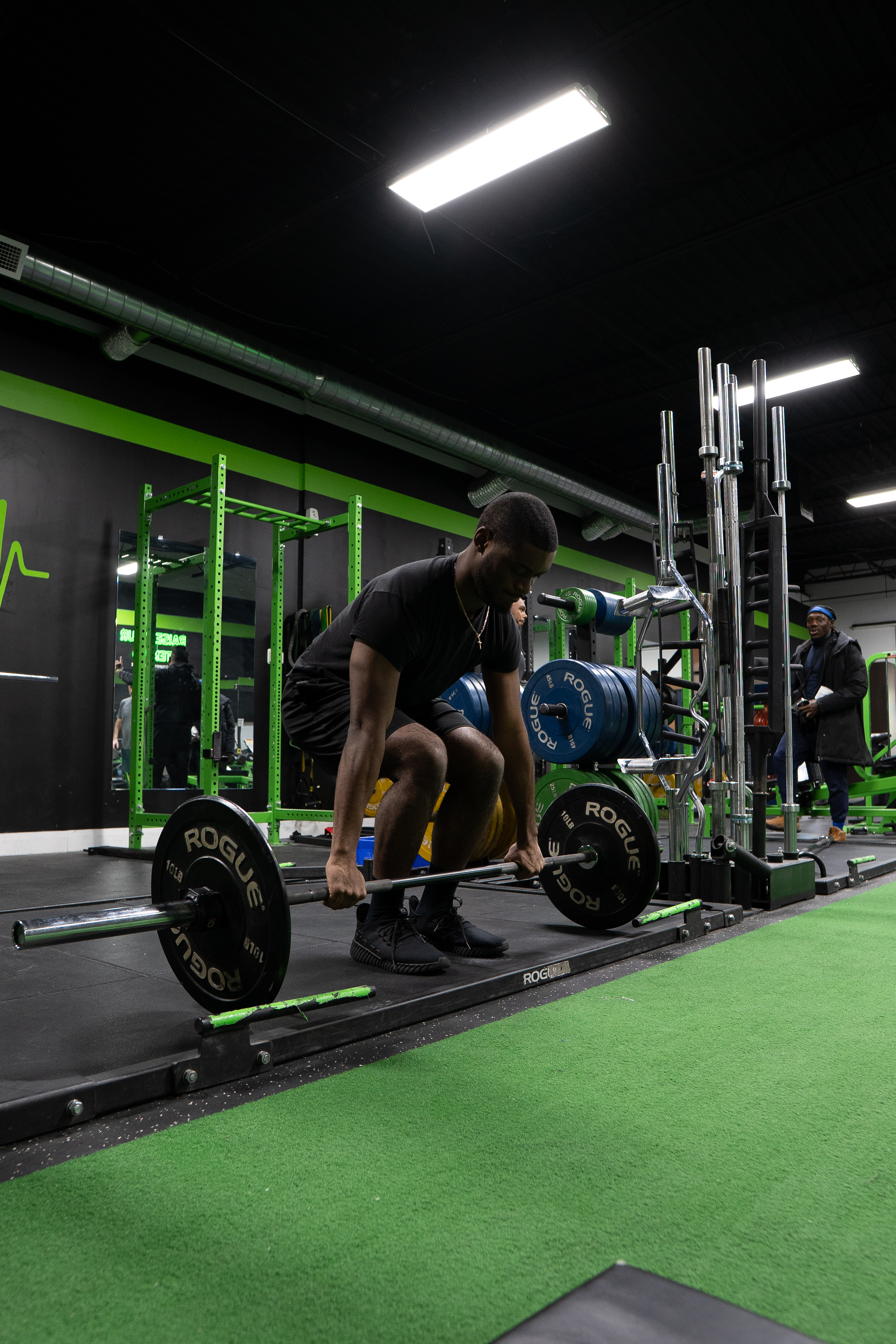
Physical recovery and movement improvement often require a structured plan that goes beyond rest alone. Through personalized guidance and targeted training strategies, performance coaching helps individuals rebuild strength, improve mobility, and enhance overall physical function. Whether recovering from injury, returning to activity, or working toward specific fitness goals, this approach focuses on developing healthier movement patterns and long-term resilience. By combining movement assessments, corrective exercises, and goal-based planning, performance coaching supports better recovery outcomes and improved confidence in daily movement.
Understanding The Role Of Performance Coaching In Physical Recovery
Physical recovery is a key part of maintaining long-term health and active living. After injury, surgery, repetitive strain, or extended inactivity, the body often requires structured support to restore normal movement and function. Performance coaching provides a guided system that focuses on rebuilding strength, mobility, and control in a safe and progressive way. Instead of only addressing discomfort or surface-level symptoms, it evaluates how the body moves as a whole.
This includes strength levels, flexibility, balance, and coordination. Through detailed movement analysis, performance coaching identifies restrictions and creates tailored strategies that support gradual improvement. This approach helps individuals regain confidence in movement while building a stronger physical foundation for everyday activities and future performance goals.
Benefits Of Performance Coaching For Recovery And Movement
A structured approach to recovery offers several meaningful advantages for individuals working toward improved physical function. Performance coaching helps develop healthier movement habits that support long-term progress and reduce the risk of recurring issues. It also promotes better body awareness, allowing individuals to understand how their movements affect comfort and performance.
With consistent guidance, improvements in mobility, strength, and stability become more achievable. This method encourages gradual progress that aligns with each person’s condition and goals. It also helps create consistency in training, which is essential for lasting results. Over time, individuals may experience improved confidence in movement, smoother daily activities, and better physical performance across different areas of life.
How Movement Quality Supports Long Term Health
Movement quality plays an essential role in maintaining overall physical health and preventing long-term discomfort. When movement patterns are inefficient, they can place excess stress on muscles and joints, leading to stiffness, imbalance, and reduced mobility. Performance coaching focuses on improving how the body moves by correcting inefficient patterns and enhancing coordination.
Through guided exercises and assessments, individuals learn how to move with better control and efficiency. Improved movement quality supports joint health, posture, and functional strength, making daily tasks easier and more comfortable. It also reduces unnecessary strain during physical activity. Over time, better movement habits contribute to long-term resilience and support a more active and sustainable lifestyle.

Common Barriers That Slow Down Recovery Progress
Recovery progress can be affected by several common challenges that slow improvement and limit physical function. These barriers may include reduced mobility due to inactivity, muscle weakness after injury, or habits that place stress on the body. Some individuals also return to activity too quickly, which can interrupt healing and create setbacks. Inconsistent routines and lack of structured guidance can further delay progress.
Performance coaching helps identify these obstacles and addresses them through organized planning and gradual progression. By focusing on proper movement patterns, controlled training, and consistent support, individuals can overcome limitations more effectively. This structured approach encourages steady improvement and reduces the likelihood of repeated issues during recovery.
Building Strength Through Purposeful Training
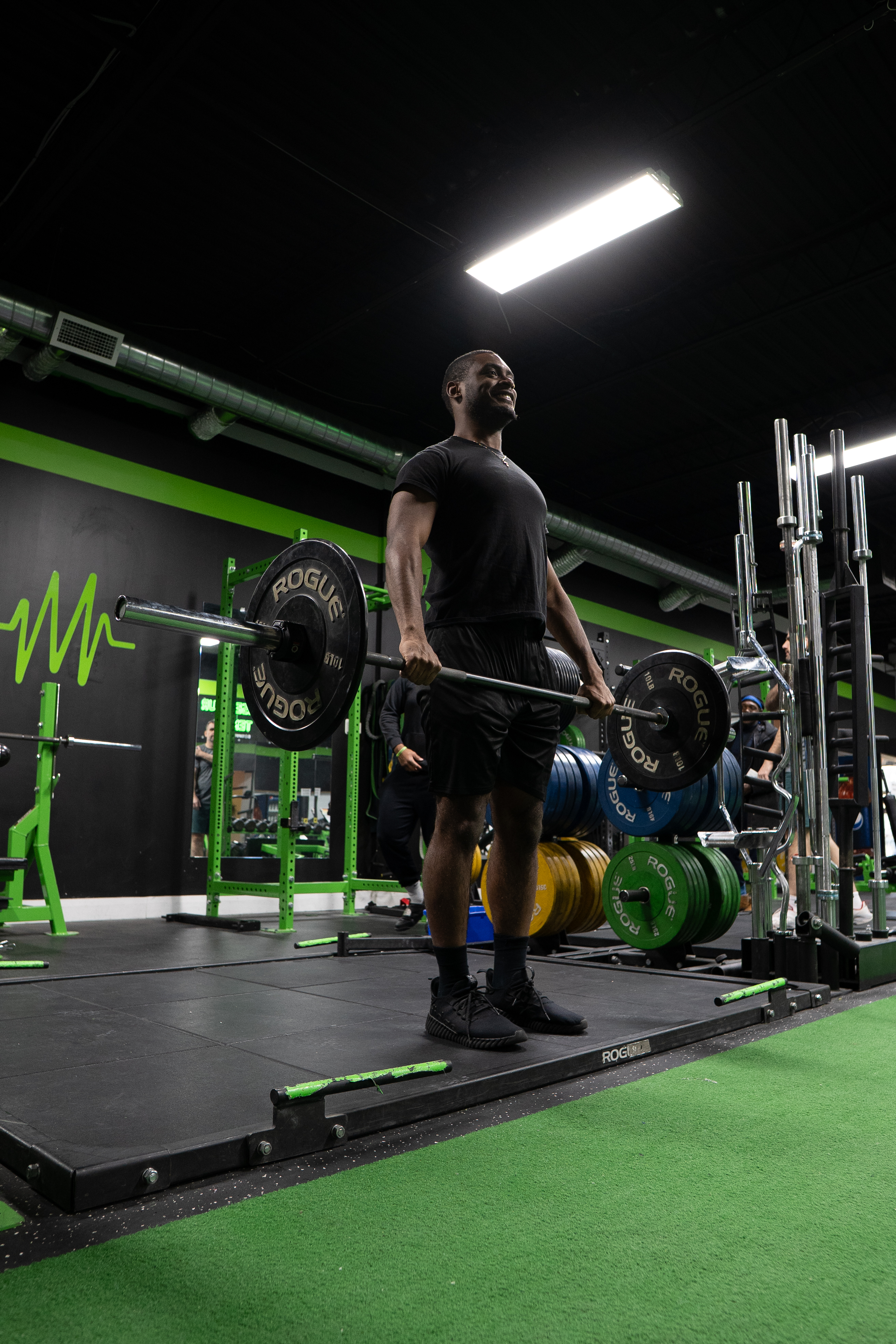
Strength development is an important part of restoring movement and improving physical performance. Strong muscles provide support for joints, improve stability, and enhance overall body control. Performance coaching uses purposeful training strategies that are tailored to each individual’s current condition and recovery stage. Instead of generic routines, exercises are selected based on specific needs such as core stability, balance, and functional strength.
This approach ensures that training remains safe while still promoting progress. As strength improves, individuals often experience better movement efficiency and reduced strain during daily activities. Over time, consistent strength training supports long-term physical resilience and allows for greater participation in both daily and recreational activities.
The Connection Between Mobility And Daily Function
Mobility is essential for performing everyday movements such as walking, bending, lifting, and reaching. When mobility is limited, simple tasks can become difficult and may lead to discomfort or compensatory movement patterns. Performance coaching addresses these limitations by improving flexibility, joint range, and movement control. Through structured exercises and guided progression, individuals can restore smoother and more efficient movement patterns.
Improved mobility enhances posture, balance, and coordination, making daily activities more manageable. It also reduces physical strain and supports better overall function. As mobility improves, individuals gain greater independence and confidence in their movement, contributing to a more active and comfortable lifestyle.
How Performance Coaching Helps Reduce Physical Limitations
Physical limitations can significantly impact daily life and restrict participation in physical activities. These limitations often arise from injury, muscle imbalance, poor movement habits, or prolonged inactivity. Performance coaching helps reduce these challenges by identifying underlying movement issues and developing targeted improvement plans.
Through assessments and structured training, individuals can address areas of weakness, stiffness, or imbalance. The process includes mobility work, strength training, and functional exercises that support better movement control. With consistent guidance, individuals gradually regain physical capacity and confidence. This structured approach allows for steady progress while minimizing the risk of setbacks, helping restore greater freedom of movement over time.
Creating Personalized Goals For Sustainable Improvement
Setting clear and realistic goals is essential for long-term recovery and physical development. Performance coaching emphasizes personalized goal setting that reflects each individual’s abilities, needs, and lifestyle. These goals may include improving mobility, increasing strength, returning to physical activity, or enhancing overall movement quality. By defining specific objectives, individuals gain direction and motivation throughout their recovery journey.
Progress becomes easier to track, allowing for adjustments when needed to ensure continued improvement. This structured goal-setting process helps maintain focus and consistency, which are important for sustainable results. Over time, personalized goals support steady progress and encourage long-lasting improvements in physical performance and daily function.
Frequently Asked Questions
What Is Performance Coaching?
Performance coaching is a structured approach that helps individuals improve movement, strength, mobility, and recovery through personalized training and guidance. It focuses on achieving physical goals while supporting long-term function and wellbeing with consistent progress tracking and individualized support.
Who Can Benefit From Performance Coaching?
Performance coaching can benefit athletes, active individuals, people recovering from injury, and anyone looking to improve movement quality, mobility, strength, or physical performance. It is suitable for various fitness levels and physical conditions.
How Does Performance Coaching Support Recovery?
Performance coaching supports recovery by identifying movement limitations, improving strength and mobility, and creating a personalized plan that promotes safe and gradual progress through guided exercises and structured movement strategies.
How Long Does It Take To See Results From Performance Coaching?
Results vary depending on individual goals, consistency, and current physical condition. Some people notice improvements within a few weeks, while others may require a longer period to achieve specific outcomes based on recovery needs.
Can Performance Coaching Help Improve Mobility And Movement?
Yes. Performance coaching often includes mobility exercises, movement assessments, and functional training designed to improve range of motion, movement quality, and overall physical function for better daily performance and comfort.
Conclusion
Recovery and movement improvement require a thoughtful approach that supports both immediate needs and long-term goals. Performance coaching provides personalized guidance that helps individuals build strength, improve mobility, and develop healthier movement patterns. By focusing on recovery, physical function, and sustainable progress, performance coaching can help people move with greater confidence and achieve better physical outcomes.
Whether the goal is returning to daily activities, enhancing athletic performance, or improving overall mobility, a structured coaching plan can provide the support needed for lasting results. Revibe in Markham offers performance coaching designed to support these goals through guided movement strategies and individualized planning. For inquiries or appointments, contact 905-783-8423 for assistance and booking.