How Performance Coaching Supports Recovery and Mobility

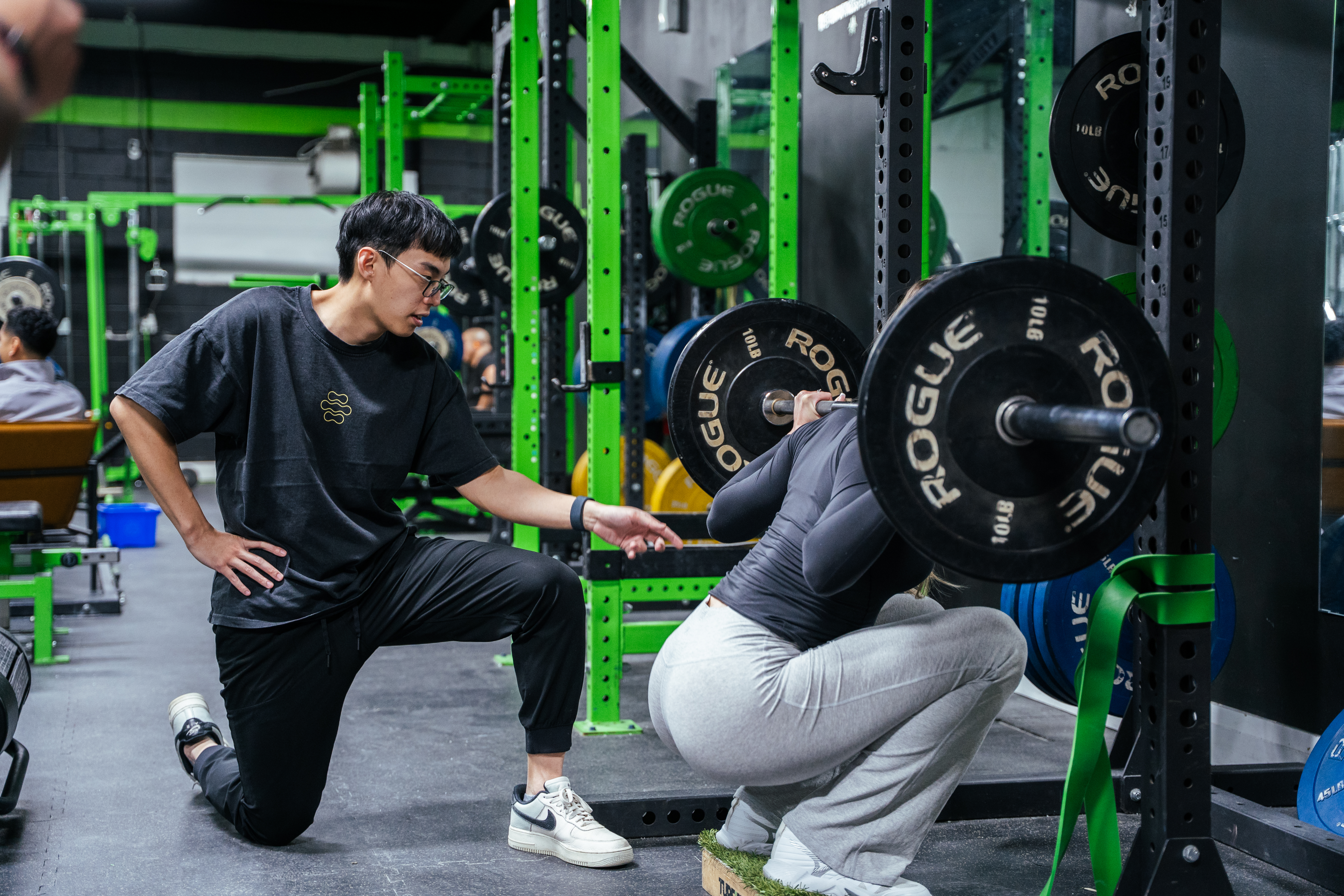
Recovery and mobility are important for maintaining physical function, movement quality, and overall well-being. After intense activity, injury, or physical strain, the body often needs a structured plan to regain strength and flexibility. Performance coaching provides personalized guidance that supports movement improvement, physical recovery, and long-term mobility goals. By focusing on individual needs, movement patterns, and progressive training methods, performance coaching can help people move more efficiently, build confidence in their abilities, and support healthier movement during everyday activities.
Understanding the Link Between Recovery and Mobility
Recovery and mobility work together to support how the body moves, adapts, and performs during daily activities. Recovery focuses on the body’s ability to repair tissues, reduce fatigue, and restore function after physical stress. Mobility refers to how freely joints and muscles move through their full range without restriction. When either area is limited, movement quality can decline, leading to stiffness, reduced coordination, and discomfort.
Performance coaching helps bridge this connection by combining recovery strategies with movement-focused training. Through structured guidance, individuals can improve flexibility, reduce movement limitations, and support smoother physical function. This integrated approach encourages the body to move more efficiently while supporting long-term physical health and activity readiness.
What Performance Coaching Involves
Performance coaching is a structured and individualized approach designed to improve how the body moves, performs, and recovers. It goes beyond general exercise routines by focusing on movement quality, strength development, and functional ability. A coach evaluates key areas such as mobility, stability, coordination, posture, and recovery needs to build a tailored plan. This plan may include targeted exercises, movement drills, and recovery strategies that align with a person’s goals and physical condition.
As progress is made, adjustments are applied to ensure continued improvement. Performance coaching adapts over time, helping individuals develop better movement efficiency, reduce physical limitations, and build a stronger foundation for daily activity and long-term physical performance.
How Performance Coaching Evaluates Movement Quality
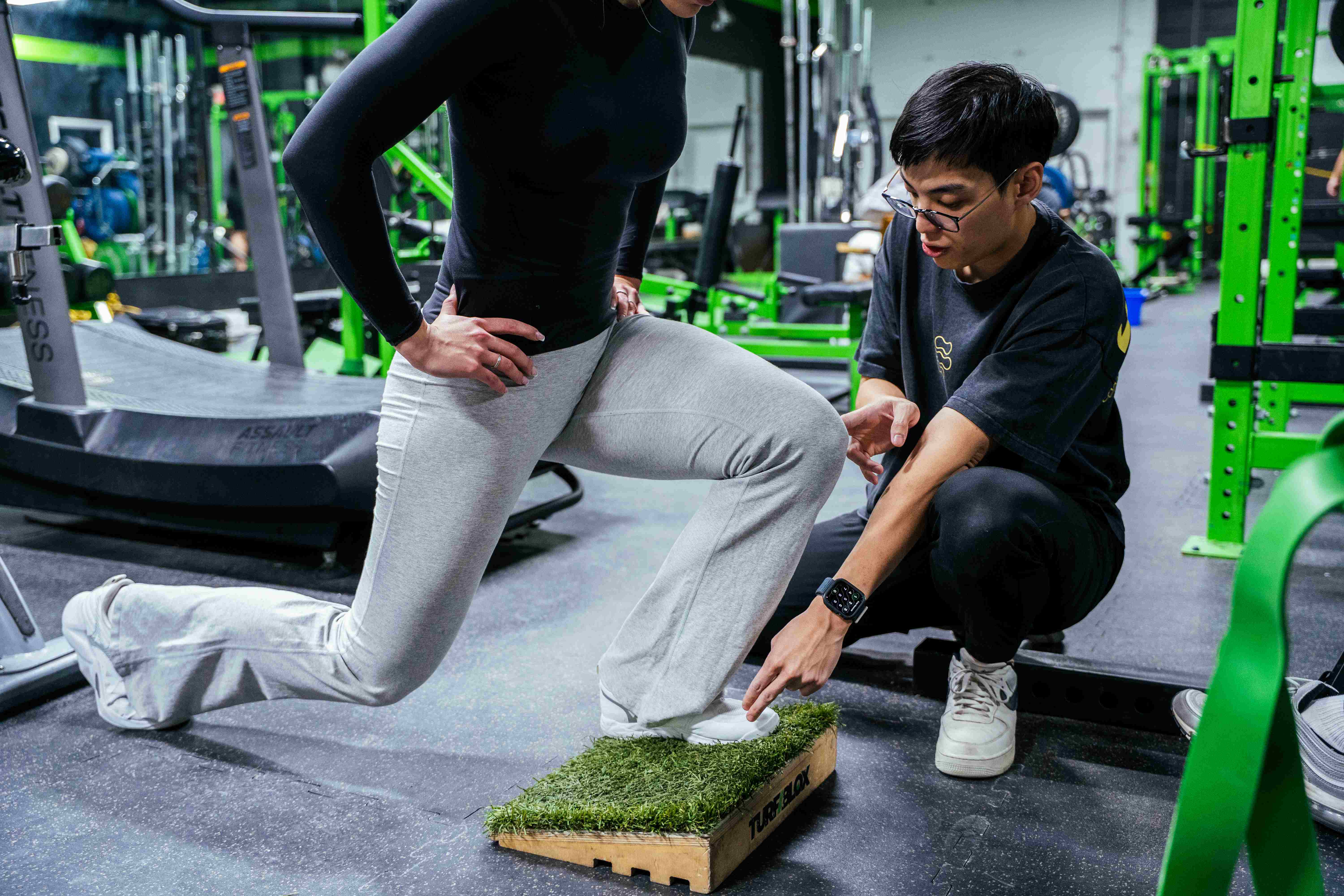
Movement quality assessment is a core part of performance coaching, focusing on how efficiently and safely the body performs basic and complex movements. Coaches observe posture, joint alignment, balance, coordination, and flexibility to identify restrictions or imbalances. These factors often influence how a person moves during exercise and daily tasks. When limitations are detected, targeted corrective exercises are introduced to improve control and efficiency.
This approach helps reduce unnecessary strain on muscles and joints while promoting smoother movement patterns. Over time, improved movement quality supports better physical performance, reduces discomfort, and enhances overall body awareness. This creates a more stable foundation for recovery, strength development, and long-term mobility improvements.
Building Strength to Support Recovery
Strength development is essential in supporting recovery and improving mobility because strong muscles help stabilize joints and maintain proper movement mechanics. During periods of physical strain or inactivity, certain muscle groups may weaken, leading to imbalance and reduced function. Performance coaching addresses this through structured strength training that progresses gradually based on individual capacity.
Exercises may focus on core stability, lower-body strength, upper-body control, and functional movement patterns that reflect daily activities. As strength improves, the body becomes more resilient to stress and movement becomes more efficient. This not only supports recovery but also reduces the risk of recurring limitations, helping individuals move with greater confidence and physical control.
Improving Mobility Through Targeted Training
Mobility training focuses on improving the range of motion and flexibility of joints and muscles to support smoother and more efficient movement. Limited mobility can affect everyday actions such as bending, lifting, reaching, or walking, making physical tasks more difficult. Performance coaching uses targeted mobility exercises to address these restrictions in a structured way. These may include dynamic stretching, controlled movement drills, joint mobility work, and functional flexibility routines.
Each exercise is selected based on individual movement assessments to ensure relevance and effectiveness. With consistent practice, mobility training can improve movement efficiency, reduce stiffness, and support better overall physical function, especially when combined with strength and recovery-based strategies.
Supporting Recovery After Physical Stress or Injury
Recovery from physical stress or injury requires a gradual and structured approach that allows the body to rebuild strength and restore movement capacity safely. Performance coaching provides guidance during this process by tailoring training intensity and progression to an individual’s condition and recovery stage. This helps prevent overloading healing tissues while still promoting movement and activity.
Key focus areas often include restoring confidence in movement, improving joint flexibility, rebuilding strength, and enhancing coordination. By following a progressive plan, individuals can return to normal activity with improved physical function. This structured recovery approach also helps reduce setbacks and supports a more stable return to daily movement and physical performance.

How Performance Coaching Helps Prevent Future Movement Restrictions
Preventing future movement limitations is a key part of long-term physical health, and performance coaching plays an important role in this process. By analyzing movement patterns, coaches can identify habits or imbalances that may lead to stiffness, discomfort, or reduced mobility over time. Once identified, corrective exercises and movement strategies are introduced to improve alignment, stability, and functional strength.
This helps create more efficient movement habits that reduce strain on the body. Over time, individuals develop better body awareness and control, which supports consistent mobility and physical performance. This proactive approach encourages long-term movement health and reduces the likelihood of recurring physical limitations.
Who Can Benefit From Performance Coaching
Performance coaching is suitable for a wide range of individuals, regardless of fitness level or athletic background. It is especially beneficial for those seeking to improve movement quality, recover from physical setbacks, or enhance overall mobility. Athletes can use it to optimize performance and recovery, while active adults may use it to maintain flexibility and strength.
Individuals returning to exercise after a break can rebuild movement confidence safely, and older adults may benefit from improved independence and stability. Those experiencing physical limitations can also use performance coaching to regain functional movement. Because it is personalized, it adapts to each person’s needs and supports steady, long-term physical improvement.
Frequently Asked Questions
What is performance coaching?
Performance coaching is a personalized approach that focuses on improving movement quality, strength, mobility, and recovery. Programs are tailored to an individual's goals, physical abilities, and movement needs, ensuring structured progression that supports long-term physical development and improved functional performance.
How does performance coaching support recovery?
Performance coaching supports recovery by creating structured training plans that help restore movement, build strength, and improve physical function while allowing for appropriate progression. It also reduces overload and supports safer return to activity through guided movement strategies.
Can performance coaching improve mobility?
Yes. Performance coaching often includes mobility exercises, movement drills, and flexibility-focused activities that may help improve range of motion and movement efficiency. These approaches enhance joint function and support smoother, more controlled movement patterns over time.
Who can benefit from performance coaching?
Performance coaching can benefit athletes, active adults, individuals returning to exercise, older adults, and anyone seeking better movement, recovery, and physical function. It adapts to different fitness levels and supports individualized progress toward mobility and strength goals.
How often should someone participate in performance coaching sessions?
The frequency of sessions depends on individual goals, current fitness levels, and recovery needs. A coach can recommend a schedule that aligns with a person's objectives and progress, ensuring consistent improvement and safe training adaptation over time.
Conclusion
Recovery and mobility play important roles in maintaining physical function, comfort, and overall movement quality. A structured approach that combines strength development, mobility training, and movement assessment can support long-term physical health and performance.
Performance coaching provides personalized guidance that helps individuals move more efficiently, recover more effectively, and build confidence in their physical abilities.
At Revibe in Mississauga, clients receive tailored support focused on mobility, recovery, and performance coaching designed for lasting results. For inquiries or appointments, contact 289-806-5123 to learn how guided coaching can support your movement goals and overall physical well-being and deliver consistent improvement over time through professional guidance and structured planning supporting sustainable mobility and recovery outcomes for clients across all fitness levels and needs.