
How Pelvic Health Therapy Supports Daily Comfort

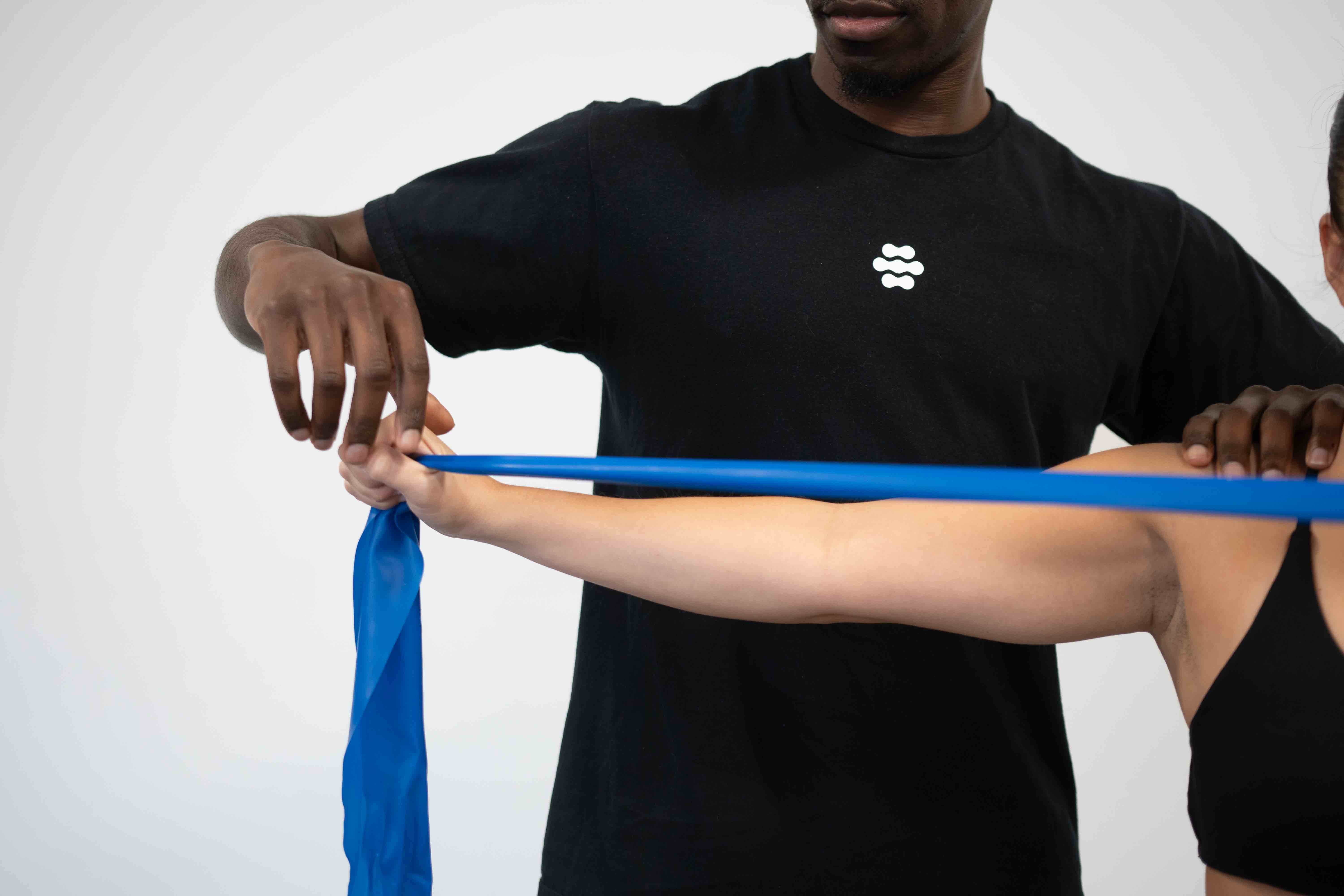
Pelvic health plays an important role in how the body moves, stabilizes, and handles everyday activities. When this area functions well, tasks like sitting, walking, bending, and lifting feel more controlled and comfortable. Imbalance or tension in the pelvic region can reduce mobility and affect daily ease. Pelvic health therapy focuses on improving muscle, joint, and connective tissue coordination in this area. This approach supports better movement patterns, reduces strain, and helps restore comfort for improved pelvic health and long-term wellbeing.
Understanding pelvic health and its role in daily movement
Pelvic health is closely linked to how the body maintains stability, posture, and controlled movement throughout daily activities. The pelvic region acts as a support system for the spine and lower body, helping distribute pressure evenly during motion. When pelvic health is functioning well, movements such as walking, bending, or lifting feel more coordinated and less stressful on surrounding muscles and joints.
However, when there is imbalance, weakness, or tension in this area, it can disrupt natural movement patterns and create discomfort. This may lead to stiffness, reduced flexibility, or difficulty maintaining balance during simple tasks. Over time, these issues can affect overall physical comfort and make routine activities feel more demanding than usual.
Common signs and discomfort linked to pelvic health
Changes in pelvic health can appear in different ways depending on the individual and their daily habits. Some people may notice mild tension, while others may experience more consistent discomfort that affects movement. Common signs include pressure or tightness in the lower pelvic area, discomfort when sitting or standing for long periods, and reduced flexibility in the hips or lower back.
Difficulty maintaining proper posture and general fatigue in the core region may also occur. These symptoms can slowly influence how a person moves throughout the day, leading to compensations in posture or movement patterns. If left unaddressed, they may gradually affect comfort, stability, and overall mobility in daily life.

Causes that affect pelvic health and daily function
Several physical and lifestyle factors can contribute to changes in pelvic health over time. One of the most common causes is prolonged sitting, which places continuous pressure on the pelvic region and can lead to muscle tightness. Poor posture habits also affect alignment and muscle balance. Repetitive lifting or physical strain may overload the pelvic muscles, while previous injuries can impact recovery and stability.
Muscle imbalance between the core, hips, and lower back may further reduce coordination and control. Weak communication between these muscle groups can make movement less efficient. These factors often build gradually, which is why discomfort may develop slowly before becoming more noticeable in daily activities.
How pelvic health therapy supports movement and stability
Pelvic health therapy focuses on improving coordination between the muscles, joints, and connective tissues in the pelvic region. The main goal is to restore balance, reduce unnecessary tension, and improve how the body moves during daily activities. Therapy may involve guided techniques that help activate weaker muscles while relaxing overactive ones.
This improves control and stability during movement, making actions like standing, walking, or bending feel more natural. As the pelvic region becomes more balanced, the body can move with greater efficiency and less strain. Over time, this improved coordination supports better physical control, allowing individuals to perform daily tasks with increased comfort and reduced restriction.
Benefits of pelvic health therapy for daily comfort
Pelvic health therapy offers several benefits that directly support comfort and mobility in everyday life. One key benefit is improved movement control, allowing the body to perform daily tasks with more ease and stability. It also helps reduce tension in the pelvic and lower back regions, which can ease discomfort during prolonged sitting or standing. Better posture support is another advantage, as balanced pelvic muscles help align the spine more effectively.
Many individuals also experience increased comfort during routine movements such as bending or lifting. Enhanced core stability further supports physical activity by improving strength and coordination. These combined benefits contribute to smoother, more comfortable daily movement and overall physical wellbeing.
Impact of pelvic health on posture and mobility
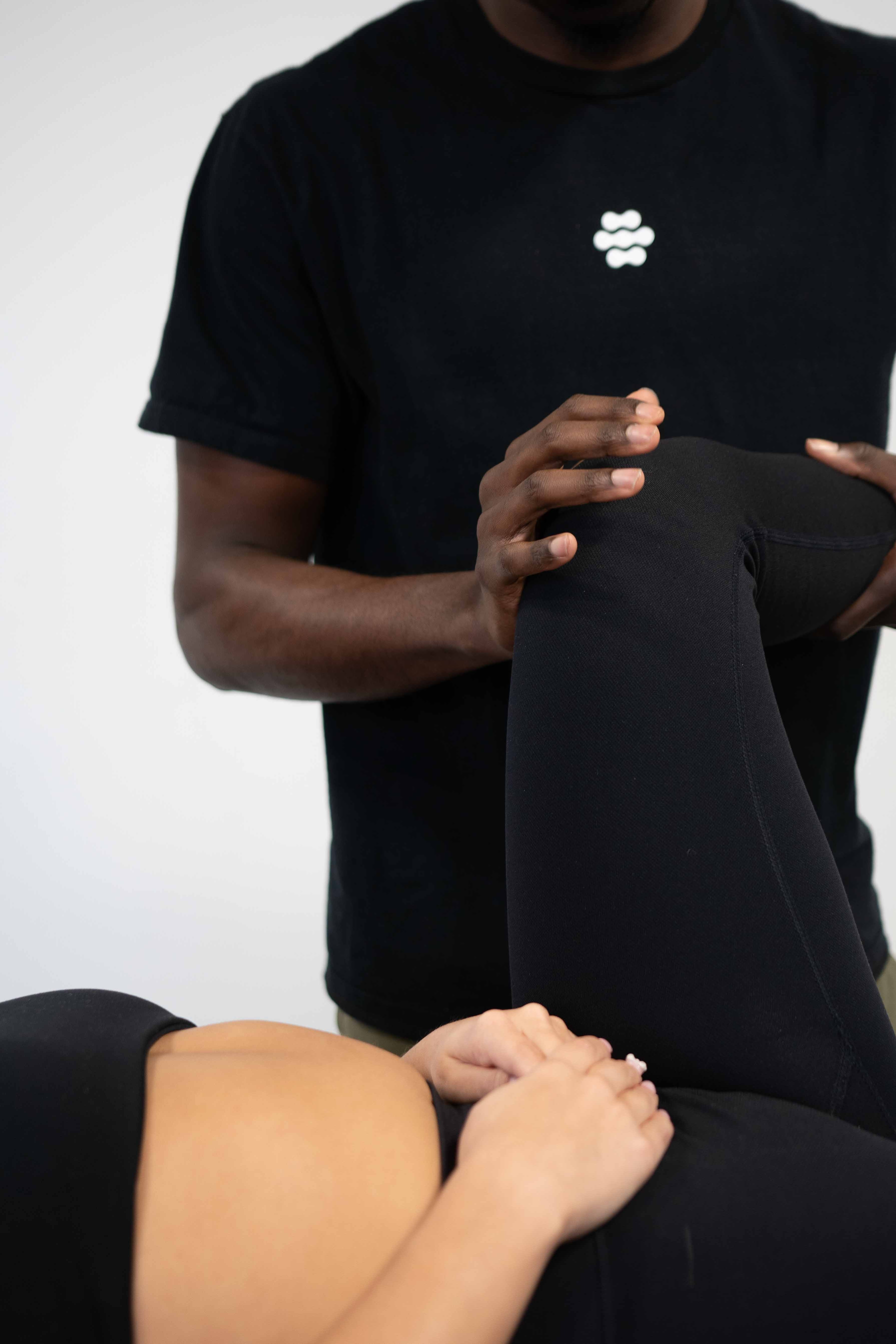
Pelvic health has a direct influence on posture and overall mobility because it supports the alignment of the spine and hips. When the pelvic region is properly balanced, the body can maintain upright posture with less effort and strain. This allows movement to feel more natural and efficient during daily activities.
However, when pelvic health is compromised, it can lead to uneven posture, which may place additional pressure on the lower back, hips, and surrounding muscles. Over time, this imbalance can affect walking patterns, reduce flexibility, and impact coordination. Improving pelvic health helps restore alignment, allowing the body to move more smoothly while reducing unnecessary stress on supporting structures.
What happens during a pelvic health assessment
A pelvic health assessment is designed to evaluate how the muscles, joints, and movement patterns are functioning in the pelvic region. During the assessment, a therapist observes posture, stability, and coordination during basic movements. They may also examine muscle engagement in the core and lower body to identify areas of weakness or tightness.
Any discomfort or restrictions in movement are noted to understand how they affect daily function. The purpose of this process is to build a clear picture of how the pelvic region is working as a whole. This allows for a more focused approach that addresses specific concerns and supports improved movement, comfort, and stability.
Lifestyle habits that support pelvic health improvement
Daily habits play an important role in maintaining and improving pelvic health over time. Simple changes in routine can help reduce strain and support better muscle balance. Maintaining proper posture while sitting and standing helps keep the spine and pelvis aligned. Taking regular breaks from prolonged sitting reduces pressure in the pelvic region.
Engaging in gentle movement throughout the day supports circulation and flexibility. Strengthening core muscles through regular activity also improves stability and control. Avoiding repetitive strain on the lower body further protects against imbalance. When practiced consistently, these habits support the effects of pelvic health therapy and contribute to long-term comfort, mobility, and physical wellbeing.
Frequently Asked Questions
What is pelvic health therapy used for?
Pelvic health therapy is used to improve muscle coordination, reduce discomfort, and support better movement in the pelvic region. It helps restore balance, improve stability, and enhance daily functional mobility.
Who can benefit from pelvic health therapy?
Individuals experiencing discomfort, stiffness, or reduced mobility in the pelvic or lower back area may benefit. It is also helpful for those with posture issues or movement restrictions affecting daily comfort.
How long does it take to notice changes in pelvic health?
Results vary depending on the individual, condition severity, and consistency of care. Many people notice gradual improvements after a few sessions combined with better movement habits and lifestyle adjustments.
Is pelvic health therapy only for pain management?
No, pelvic health therapy also supports posture, core stability, and movement efficiency. It helps improve how the body functions overall, even for individuals who are not experiencing significant pain or discomfort.
What should I expect after a session?
After a session, some people may feel immediate relief or lightness in movement. Others may notice gradual improvements in flexibility, comfort, and stability as the body adjusts over time with continued care.
Conclusion on pelvic health and daily comfort
Pelvic health plays an essential role in supporting how the body moves and functions each day. When this area is balanced and well-coordinated, it contributes to better posture, improved stability, and greater comfort during routine activities. Pelvic health therapy offers a focused approach to addressing tension, imbalance, and movement restrictions that may affect daily life, helping individuals improve overall mobility and reduce discomfort over time. At Revibe in Mississauga, this care approach supports individuals in achieving better movement and comfort through guided attention to pelvic health. Staying consistent with supportive habits can further enhance results, making it easier to remain active and confident in everyday movement. For inquiries or appointments, contact 289-806-5123.