How Massage Therapy for Anxiety Helps

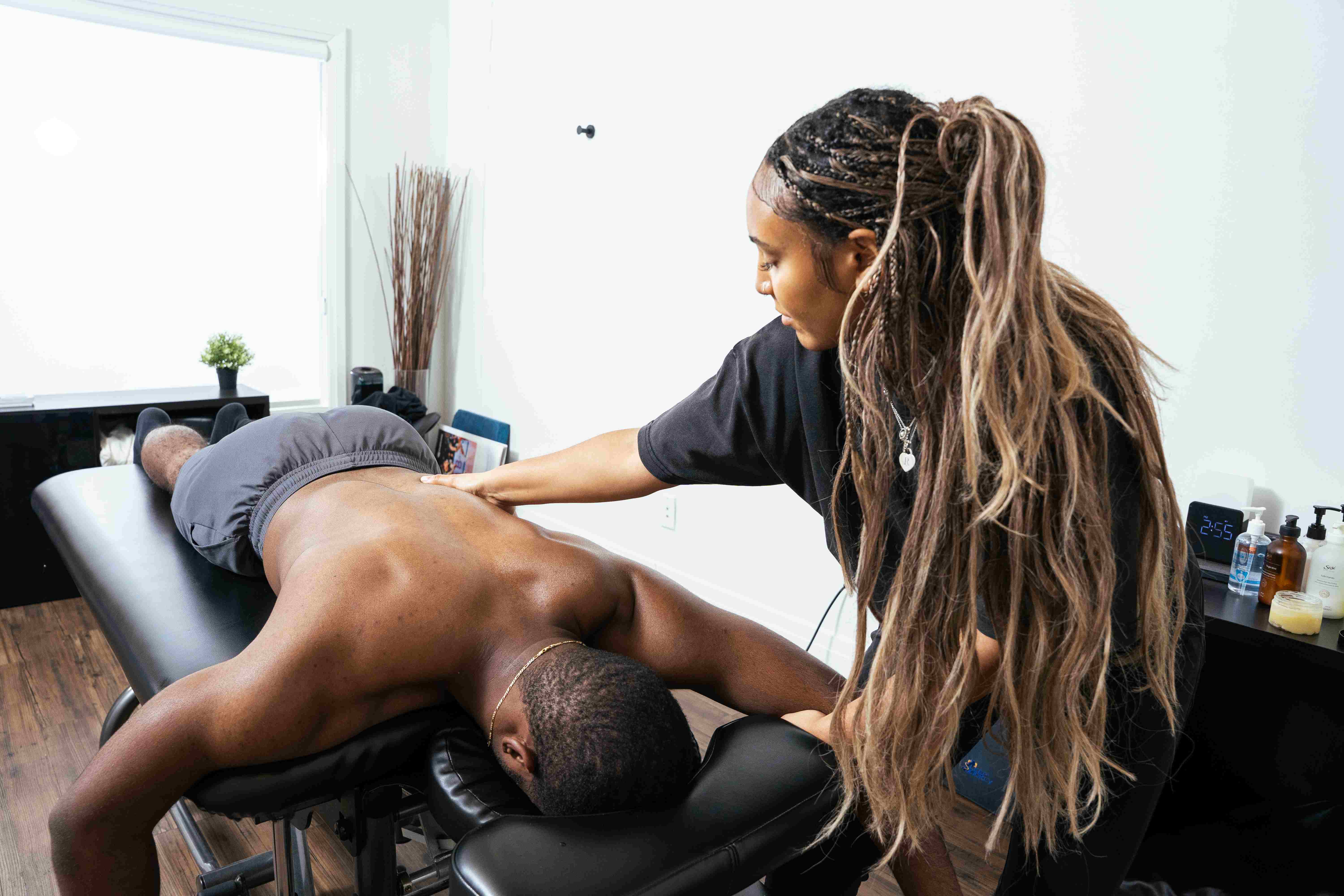
Anxiety can influence both physical comfort and mental focus, often creating a cycle of tension that becomes difficult to manage. Many individuals experience symptoms such as tight muscles, racing thoughts, and disturbed sleep patterns. One approach that continues to gain attention is massage therapy for anxiety, which supports relaxation by addressing both the body and the nervous system at the same time. This type of care focuses on reducing physical stress stored in muscles while encouraging a calmer emotional state. Over time, it may help individuals feel more grounded, improve daily comfort, and restore a sense of balance in their routine.
Understanding Anxiety and Its Physical Impact
Anxiety is not only an emotional experience but also a physical one. When the body perceives stress, it activates a natural response that can cause muscle tightening, shallow breathing, and an increased heart rate. These reactions are useful in short situations, but when they happen often, they may lead to ongoing discomfort. Many people notice stiffness in the neck, shoulders, and back, along with fatigue that does not fully improve with rest.
Over time, the body may remain in a constant state of tension without awareness. Massage therapy for anxiety is often considered because it helps release built-up physical stress, improves circulation, and supports a more relaxed body state, allowing better recovery from daily pressure and emotional strain.
How Massage Therapy for Anxiety Supports Relaxation
Massage works by applying controlled pressure to muscles and soft tissues, helping the body shift from a stressed state into a more relaxed condition. This process is connected to the parasympathetic nervous system, which supports rest and recovery. As the body relaxes, breathing becomes slower and deeper, and mental tension begins to ease. This helps reduce overactive stress responses that keep the mind alert.
For individuals dealing with worry or restlessness, massage therapy for anxiety provides a structured way to slow both physical and mental activity. It also encourages emotional calmness, allowing the body to reset from daily stress and gradually return to a more balanced and grounded state over time.
How the Nervous System Responds to Therapeutic Touch
The nervous system plays a major role in how anxiety is experienced. When stress levels rise, the body stays in a heightened alert state, making relaxation difficult. Therapeutic touch during massage sends calming signals to the brain that the body is safe, which may reduce stress responses. This can lower muscle tension and ease emotional pressure.
As the body relaxes, the mind often follows with a sense of calm and clarity. Massage therapy for anxiety supports this natural process by helping regulate the nervous system. With consistent sessions, the body may learn to respond more calmly to stress triggers improving emotional stability and physical comfort during daily life situations.
Relief from Muscle Tension and Body Stress
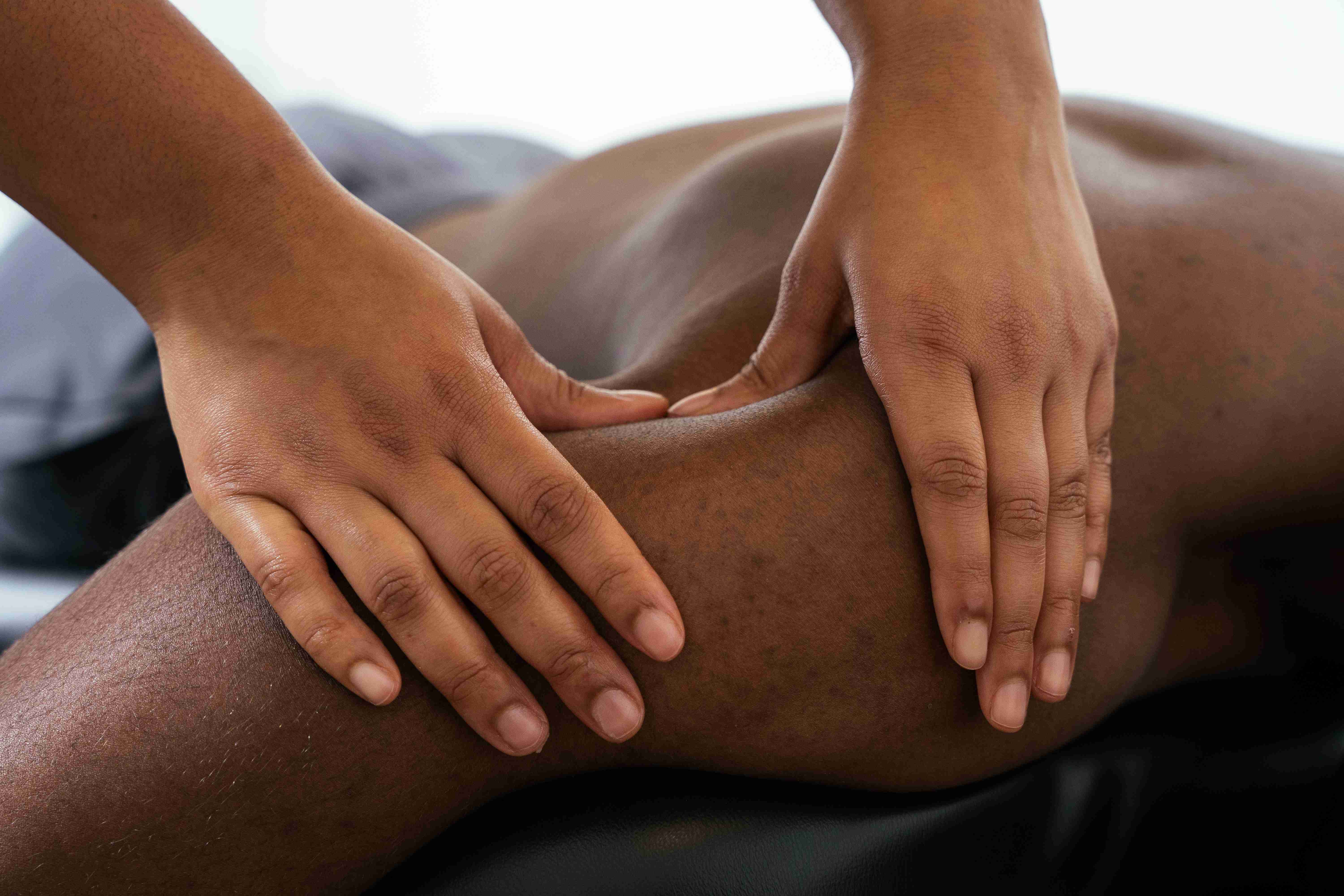
One of the most common effects of anxiety is physical tension in the body. Many individuals unknowingly hold stress in the neck, shoulders, jaw, and lower back, which can lead to stiffness and discomfort. Over time, this tension may limit movement and increase fatigue. Massage techniques help release tight muscles through steady pressure and controlled movement, allowing them to relax and function more naturally.
Improved blood flow also supports recovery and reduces soreness. Massage therapy for anxiety helps ease this physical strain, allowing the body to feel lighter and more comfortable. As tension decreases, posture and movement often improve, supporting better physical ease in daily activities.
Effects on Sleep Quality and Nighttime Rest
Sleep problems are common among individuals experiencing anxiety. Racing thoughts, physical discomfort, and restlessness can make it difficult to fall asleep or stay asleep throughout the night. When the body remains tense, full relaxation becomes harder to achieve. Massage may help prepare the body for rest by reducing muscle tightness and calming the nervous system.
Breathing becomes slower and more steady, supporting deeper sleep stages. Massage therapy for anxiety may improve sleep quality over time by creating a more relaxed physical and mental state before bedtime. As sleep improves, energy levels and focus during the day may also increase, creating a healthier and more balanced daily rhythm overall.
Emotional Balance and Mental Clarity Support
Anxiety can affect emotional stability, leading to overwhelm, irritability, and difficulty focusing. When the mind feels overloaded, it becomes harder to process thoughts clearly or respond calmly to situations. Massage provides a quiet space where the body can slow down, helping reduce emotional pressure. As physical tension decreases, mental clarity often improves, allowing thoughts to feel more organized and less scattered.
Massage therapy for anxiety supports this process by encouraging relaxation that affects both body and mind. While it does not remove external stress, it helps individuals manage emotional reactions more effectively. Over time, this may improve decision-making, emotional control, and overall mental balance in daily life.
How Massage Therapy for Anxiety Supports Daily Function
Daily activities can feel easier when stress levels are reduced and the body is not carrying constant tension. Simple tasks like working, studying, or resting become more manageable when physical discomfort is minimized. Massage helps by improving muscle flexibility and reducing stiffness that may limit movement. As the body relaxes, posture and comfort often improve, supporting smoother physical activity.
Massage therapy for anxiety contributes to better daily function by lowering physical stress and supporting steady energy levels. This can enhance focus and productivity while reducing feelings of overwhelm. Over time, consistent relaxation support helps individuals maintain a more balanced and comfortable approach to everyday responsibilities and routines.
Who Can Benefit from Massage Therapy for Anxiety
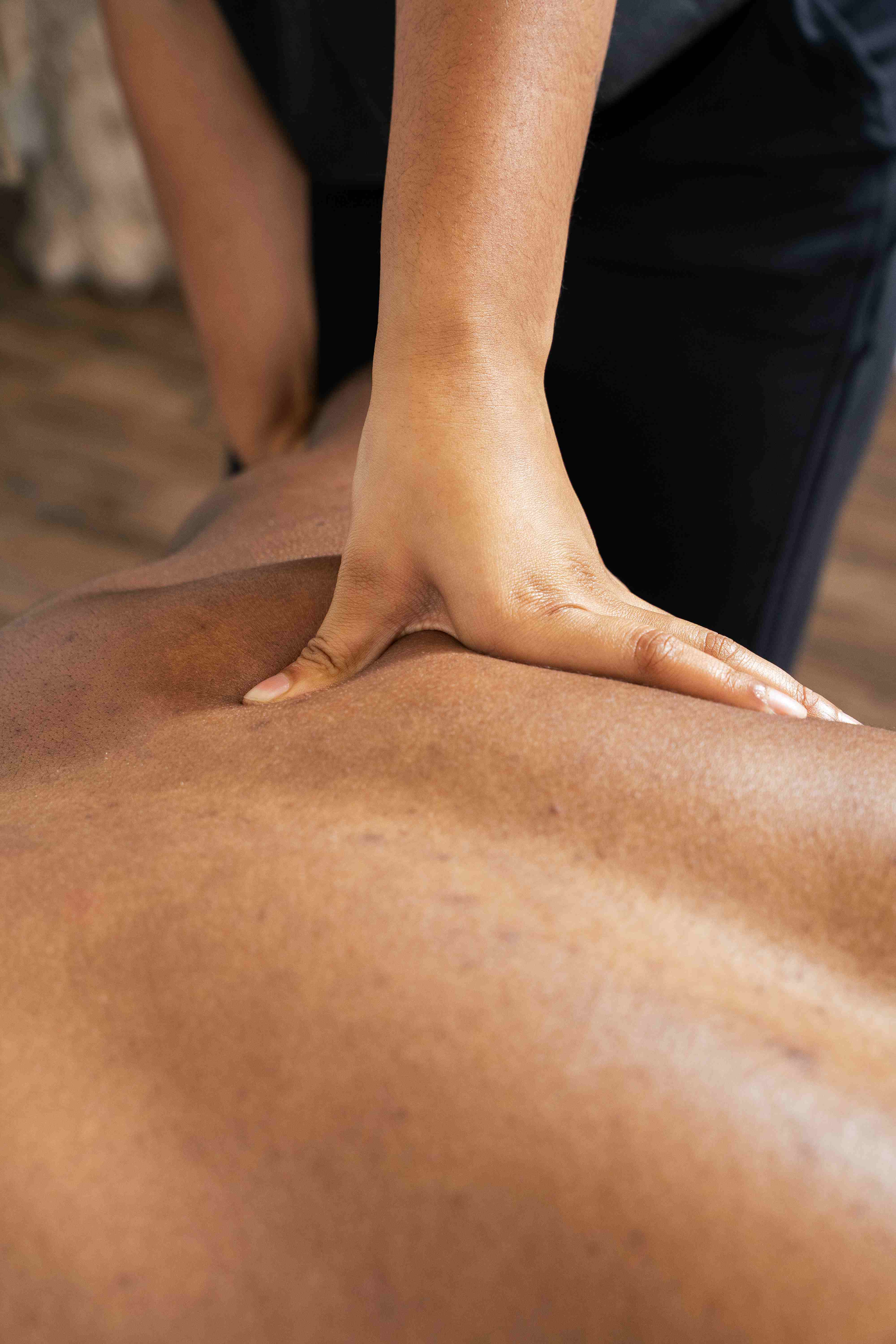
Massage is suitable for many individuals experiencing stress-related symptoms in daily life. This includes professionals with demanding workloads, students under academic pressure, and individuals facing emotional challenges. People who experience physical signs of stress such as tight muscles, headaches, or fatigue may also benefit.
Massage therapy for anxiety can be helpful for those seeking a non-invasive way to support relaxation and emotional balance. It may also complement other healthy habits like exercise, proper rest, and mindfulness practices. By supporting both physical comfort and emotional well-being, massage offers a natural approach for individuals looking to manage stress and improve overall quality of life in a gentle and restorative way.
Frequently Asked Questions
What is massage therapy for anxiety used for?
It is used to reduce stress levels, ease tight muscles, and support a calmer mental state by addressing both physical tension and emotional strain, helping the body feel more relaxed and balanced overall.
How often should someone consider massage sessions?
Frequency depends on individual stress levels and lifestyle, but many people benefit from weekly or bi-weekly sessions to maintain relaxation, reduce tension buildup, and support consistent emotional and physical balance over time.
Can massage help reduce constant worrying thoughts?
Massage may help calm the nervous system, which can reduce overthinking, mental restlessness, and racing thoughts by encouraging a relaxed state where the mind becomes quieter and more focused on present comfort.
Is massage suitable for long-term stress management?
Yes, it can be part of a long-term stress management routine by supporting relaxation, lowering muscle tension, and helping the body respond better to ongoing stress, improving overall emotional and physical resilience gradually.
What areas of the body are usually focused on during anxiety-related massage?
Common focus areas include the neck, shoulders, back, and head, where stress-related tightness often builds up the most, affecting comfort, posture, and movement, and contributing to overall physical discomfort during daily activities.
Conclusion
Managing anxiety often requires a combination of approaches that support both the mind and body. Massage therapy for anxiety offers a way to address physical tension while encouraging a calmer emotional state. By supporting relaxation, improving sleep quality, and reducing muscle stiffness, it may help individuals feel more balanced in their daily lives. While stress cannot always be avoided, consistent care for the body can make it easier to handle.
For those seeking professional support, Revibe in Mississauga provides services focused on relaxation and stress relief tailored to individual needs. Booking a session is simple by calling 289-806-5123. Over time, regular care may help improve comfort, clarity, and overall well-being, making it easier to manage daily stress in a healthier and more grounded way.