Can Massage Therapy in Mississauga Help Sciatica?

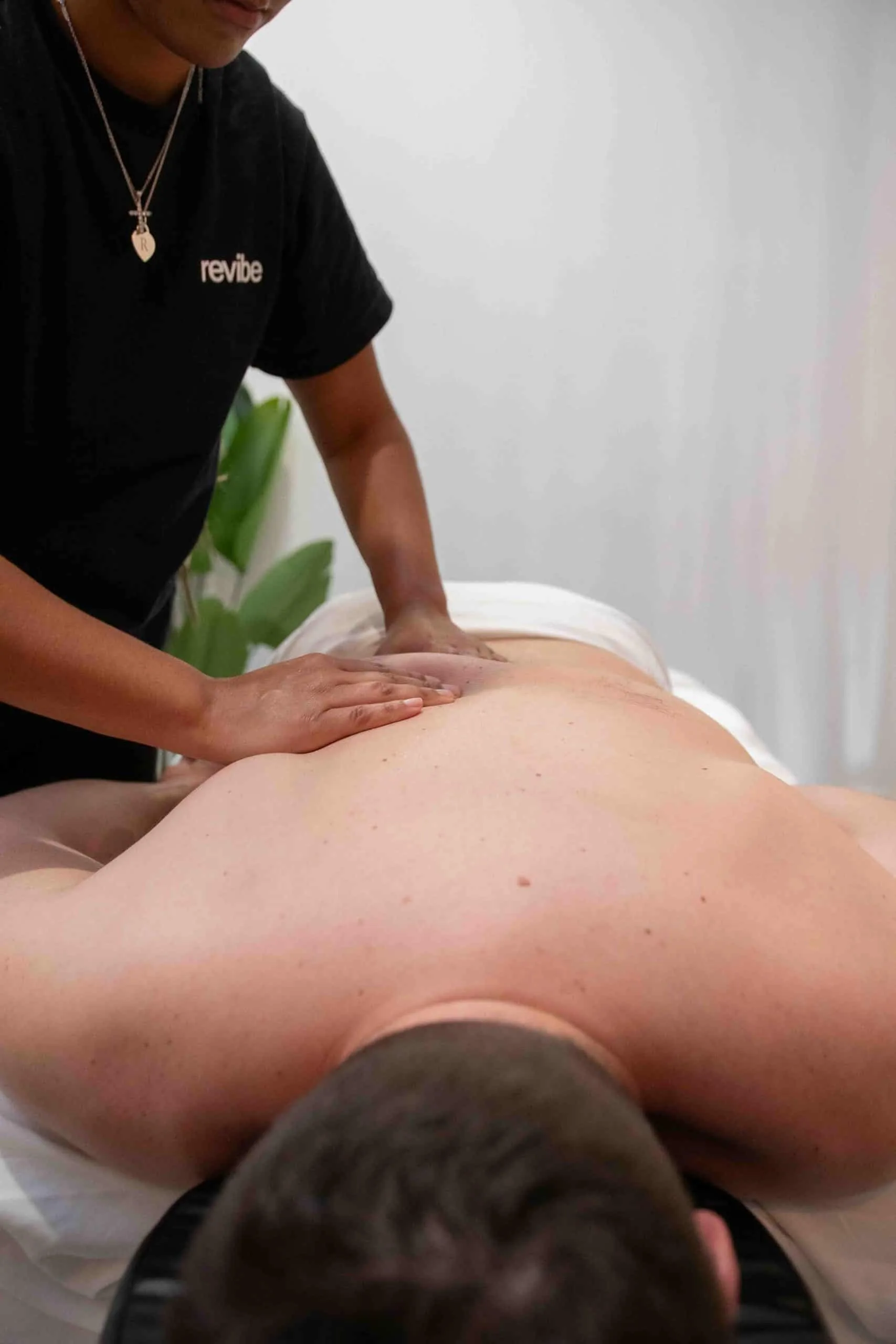
Sciatica can cause pain that travels from the lower back through the hips and down the leg, making everyday activities more difficult. Sitting, walking, exercising, or sleeping may become uncomfortable when the sciatic nerve is irritated. While treatment depends on the underlying cause, massage therapy may help reduce muscle tension and support better movement for some people. Massage Therapy in Mississauga can be part of a personalized approach to managing sciatica-related discomfort, especially when tight muscles contribute to restricted mobility and daily discomfort.
Understanding How Sciatica Affects the Body
Sciatica refers to symptoms caused by irritation or compression affecting the sciatic nerve or its connected nerve roots. This large nerve travels from the lower back through the buttocks and down each leg, which is why discomfort may extend beyond the back. Some people experience sharp, burning, or aching pain, while others notice tingling, numbness, or weakness. Symptoms often affect one side of the body and may become more noticeable after sitting, standing, bending, or physical activity for extended periods. The cause of sciatica can vary and may involve the spine, joints, muscles, or surrounding tissues. Understanding what may be contributing to your symptoms can help guide appropriate care and determine whether massage therapy may support your overall comfort.
Common Causes Behind Sciatic Nerve Pain
Sciatic nerve pain can develop for several reasons, and identifying the possible cause may help guide the most appropriate care. A herniated or bulging disc in the lower spine can place pressure on a nearby nerve root. Changes in the spine may also affect the space available for nerves. In other cases, tight muscles around the hips, buttocks, or lower back may contribute to discomfort and restricted movement.
Repetitive activities, prolonged sitting, limited movement, and physically demanding tasks can also place additional strain on the lower body. Since similar symptoms can have different causes, massage therapy may not be suitable for every situation. Discussing your symptoms with a qualified massage therapist can help determine whether treatment may fit your care needs.
How Muscle Tension May Contribute to Sciatica
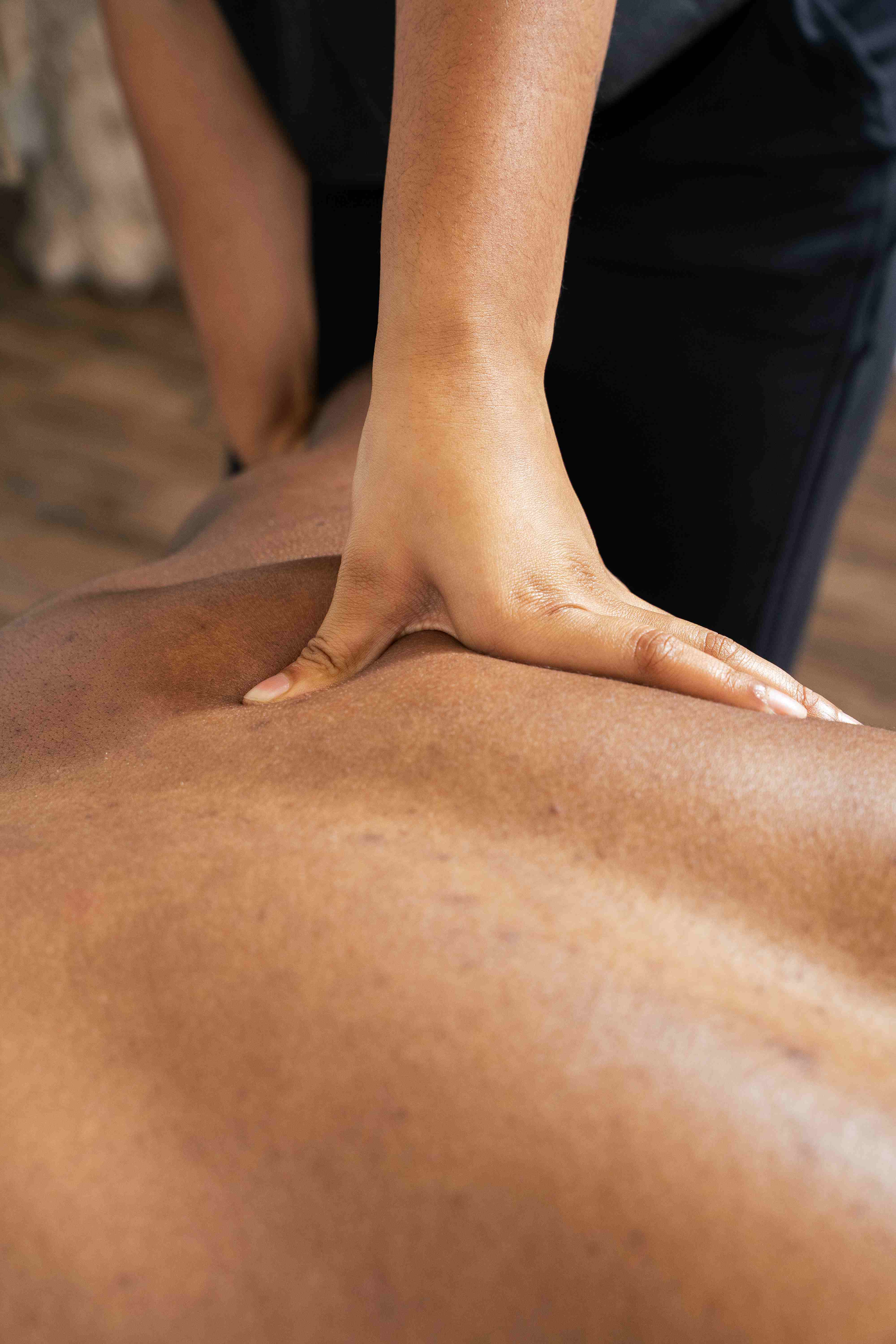
Muscle tension can influence how the body moves and may contribute to discomfort around the lower back, hips, and buttocks. When muscles become tight, normal movement may feel restricted, causing other areas to work harder during activities such as walking, sitting, lifting, or exercising. Muscles around the piriformis and hip region are sometimes associated with symptoms that resemble sciatic pain, although the underlying cause can vary from person to person.
Massage therapy may help address soft tissue tension in areas surrounding the discomfort and support more comfortable movement. However, treatment should be based on your individual symptoms and physical condition. A qualified practitioner can assess your concerns and determine whether massage may be an appropriate part of your care.
Can Massage Therapy in Mississauga Help Sciatica?
Massage Therapy in Mississauga may help some people manage discomfort associated with sciatica, particularly when muscle tension contributes to soreness or restricted movement. Treatment may focus on the muscles surrounding the lower back, hips, glutes, and legs to help reduce tightness and support mobility. Some people may experience improved comfort during movement and greater relaxation in tense soft tissues after treatment. However, massage does not address every possible cause of sciatica.
Symptoms related to significant nerve compression or other underlying conditions may require additional assessment and care. Before treatment, a massage therapist can discuss your symptoms, concerns, and goals. This allows the session to be adapted to your needs instead of using the same approach for everyone experiencing sciatic discomfort.
Massage Techniques That May Support Sciatic Pain Relief
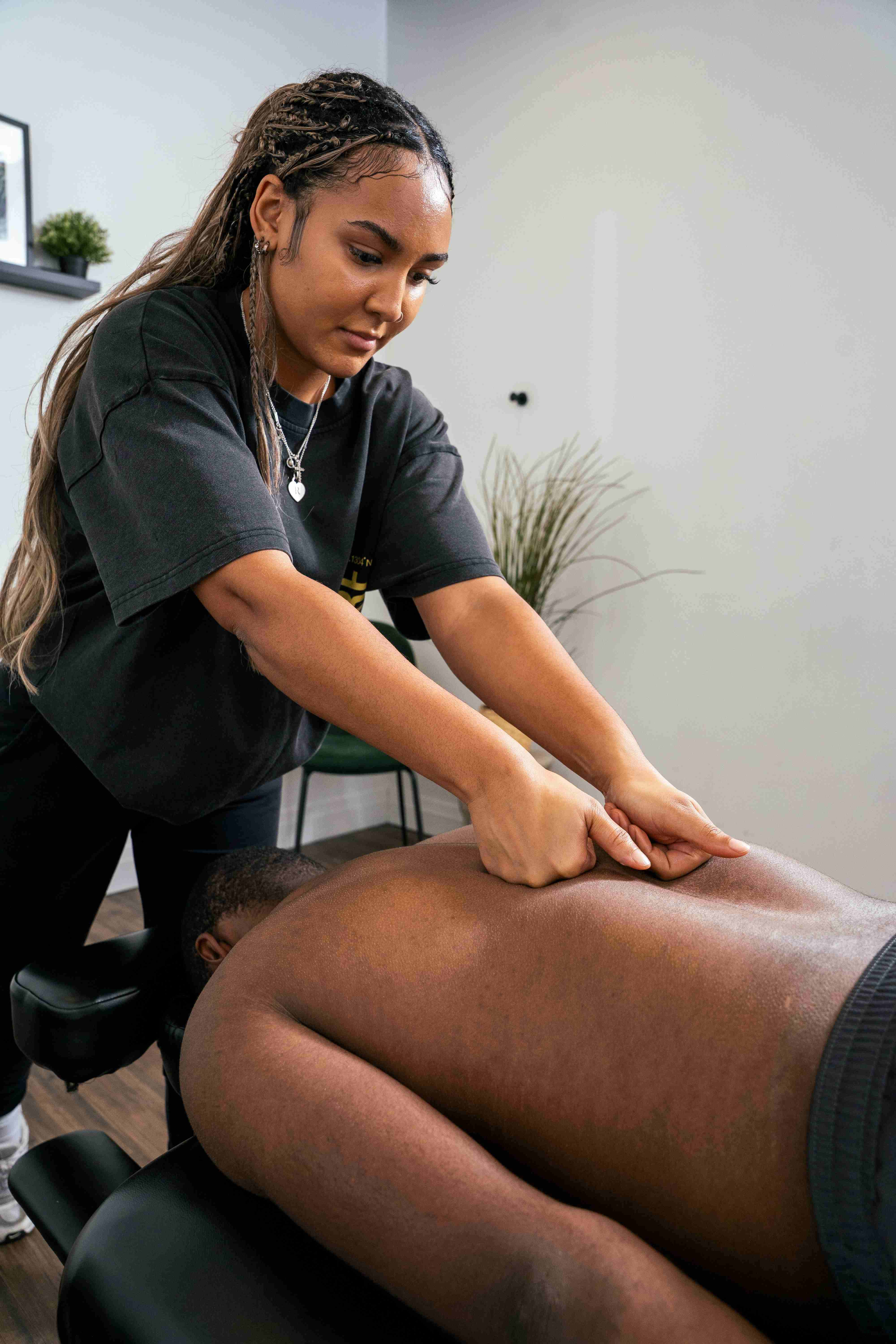
The massage approach used for sciatic discomfort may depend on your symptoms, muscle tension, and the areas affected. Treatment may focus on the lower back, hips, glutes, thighs, or other surrounding muscles rather than applying direct pressure to a sensitive area. Different techniques may be used to help reduce soft tissue tension, encourage relaxation, and support more comfortable movement.
The amount of pressure should also be adjusted according to your comfort and response during the session. It is important to tell your therapist if you experience increased sharp pain, tingling, or numbness. Massage is not simply about applying deeper pressure. A suitable approach considers your symptoms, movement patterns, physical condition, and whether treatment is appropriate for your situation.
What to Expect During a Massage Therapy Session
Before your massage session begins, your therapist may ask about your symptoms, where you feel discomfort, how long it has been present, and which activities affect it. You may also discuss your daily routine, physical activities, and relevant health concerns. This information helps your therapist understand your situation and plan a suitable treatment approach. Depending on your needs, the session may focus on the lower back, hips, buttocks, legs, or surrounding areas.
Communication throughout the treatment is important, so you should feel comfortable sharing whether the pressure feels appropriate. After the session, your therapist may discuss your response to treatment and provide general guidance about follow-up care, movement, or other services that may support your ongoing needs.
When Massage May Be Part of a Broader Care Plan
Sciatica may involve more than muscle tension, so massage therapy may sometimes be included as part of a broader care plan. Depending on the cause and severity of your symptoms, other forms of professional care may also be appropriate. Physiotherapy, for example, may focus on strength, mobility, movement patterns, and physical limitations. Exercise guidance may also support your ability to move comfortably and manage activities that contribute to discomfort.
Massage therapy may address soft tissue tension while other treatments focus on different factors affecting your symptoms. The right approach depends on your individual needs. If sciatic pain continues, worsens, or affects your work, sleep, exercise, or daily activities, speaking with an appropriate healthcare professional may help determine the next step.
When to Seek Professional Assessment for Sciatica
Massage therapy may not be appropriate for every person experiencing pain that travels from the lower back into the leg. Persistent, worsening, or severe symptoms should be assessed by a qualified healthcare professional who can help identify possible causes. Professional guidance may also be important if you experience significant weakness, increasing numbness, or symptoms that interfere with everyday activities. Sudden or severe changes in your condition should not be ignored.
An appropriate assessment can help determine whether massage therapy is suitable or whether another form of care may be needed first. If you are unsure whether Massage Therapy in Mississauga is appropriate for your symptoms, discussing your concerns with a qualified practitioner can help you better understand your available care options.
Frequently Asked Questions
Can massage therapy help with sciatica pain?
Massage therapy may help reduce muscle tension and discomfort for some people, depending on the underlying cause of their sciatica symptoms.
How often should I get massage therapy for sciatica?
Treatment frequency depends on your symptoms, goals, physical condition, and how your body responds to massage therapy sessions.
What type of massage may help with sciatic discomfort?
Massage may focus on the lower back, hips, glutes, and surrounding muscles, depending on your symptoms and treatment needs.
Is massage safe when sciatica causes leg pain?
Massage may be suitable for some people, but sharp, worsening, or unusual symptoms should receive professional assessment before treatment begins.
When should I seek professional help for sciatica?
Seek professional assessment when symptoms persist, worsen, cause significant weakness, increase numbness, or interfere with everyday activities.
Conclusion
Sciatica can affect movement, comfort, and everyday activities, but the right approach depends on what is causing the symptoms. Massage therapy may help reduce muscle tension and support mobility when tight soft tissues contribute to discomfort. For some people, it may be a useful part of a broader care plan alongside other professional treatments. If you are looking for Massage Therapy in Mississauga, Revibe offers personalized care focused on your individual needs and comfort.
Speaking with a qualified massage therapist can help you understand whether massage may be appropriate for your symptoms and what treatment options may support your recovery. To learn more or discuss your concerns, contact Revibe in Mississauga at 289-806-5123 and explore your available care options with the team.