
Benefits of Performance Training for Active Lifestyles

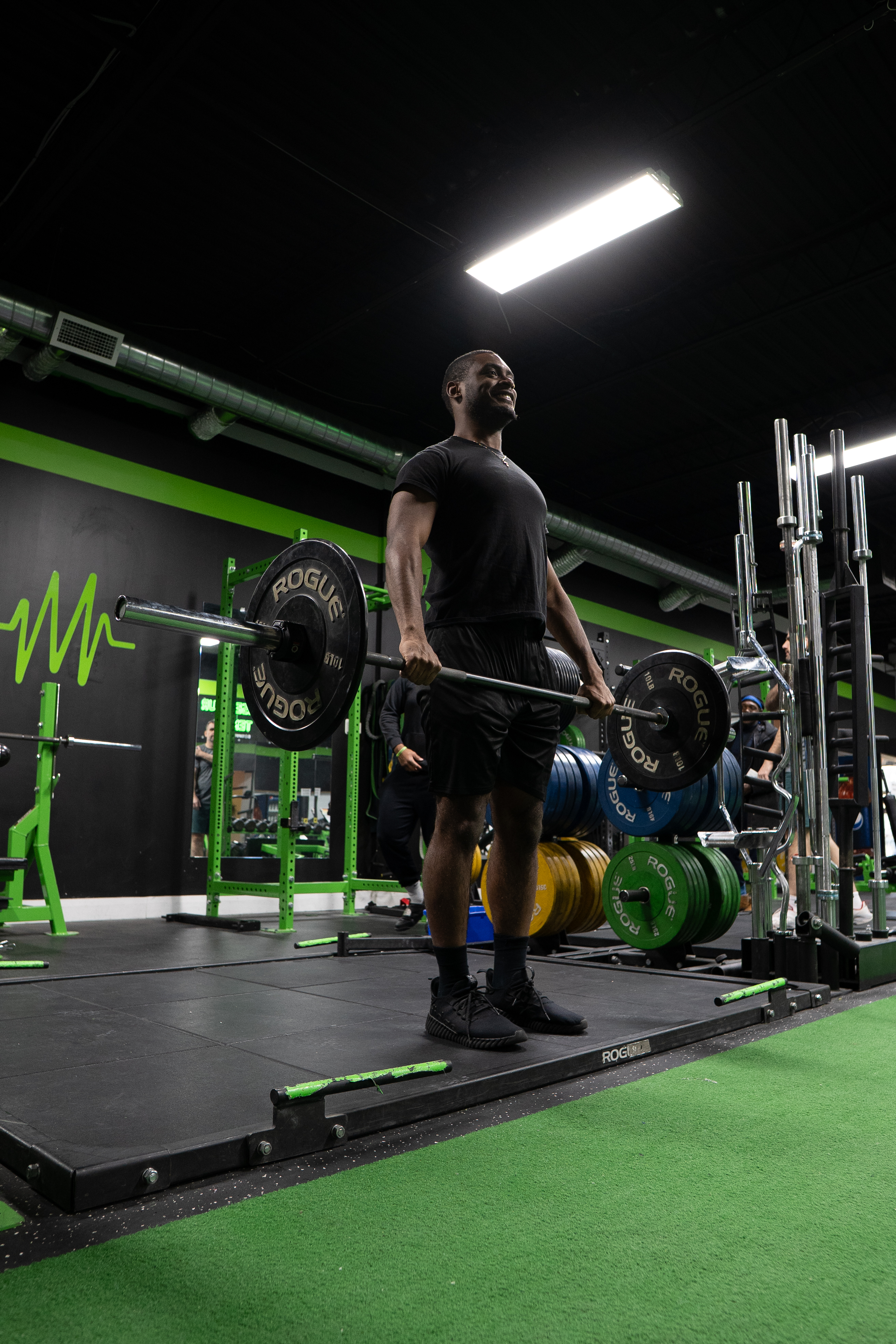
Building a strong, capable, and resilient body requires more than occasional exercise. Many people want to stay active, move better, and recover faster, but often lack a structured approach. This is where performance training becomes essential for long-term physical development. It improves strength, mobility, endurance, and coordination in ways that support daily movement and physical demands. Unlike general fitness routines, it enhances how the body functions as a system, supporting better movement quality, reduced limitations, and improved recovery for active lifestyles.
How Performance Training Supports Active Movement
Performance training improves how the body moves by developing coordinated movement patterns instead of isolating individual muscles. This approach helps multiple muscle groups work together efficiently, creating smoother, more controlled motion during physical activity. It also enhances neuromuscular coordination, which plays a key role in balance, timing, and overall movement quality.
As the body becomes more trained in functional movement, everyday actions such as walking, lifting, and bending feel more natural and less tiring. Over time, performance training helps improve posture, stability, and body awareness, allowing individuals to move with better precision. This makes physical activities safer and more efficient, especially for those maintaining active lifestyles that require consistent mobility and physical control throughout the day.
Building Strength for Daily Physical Demands
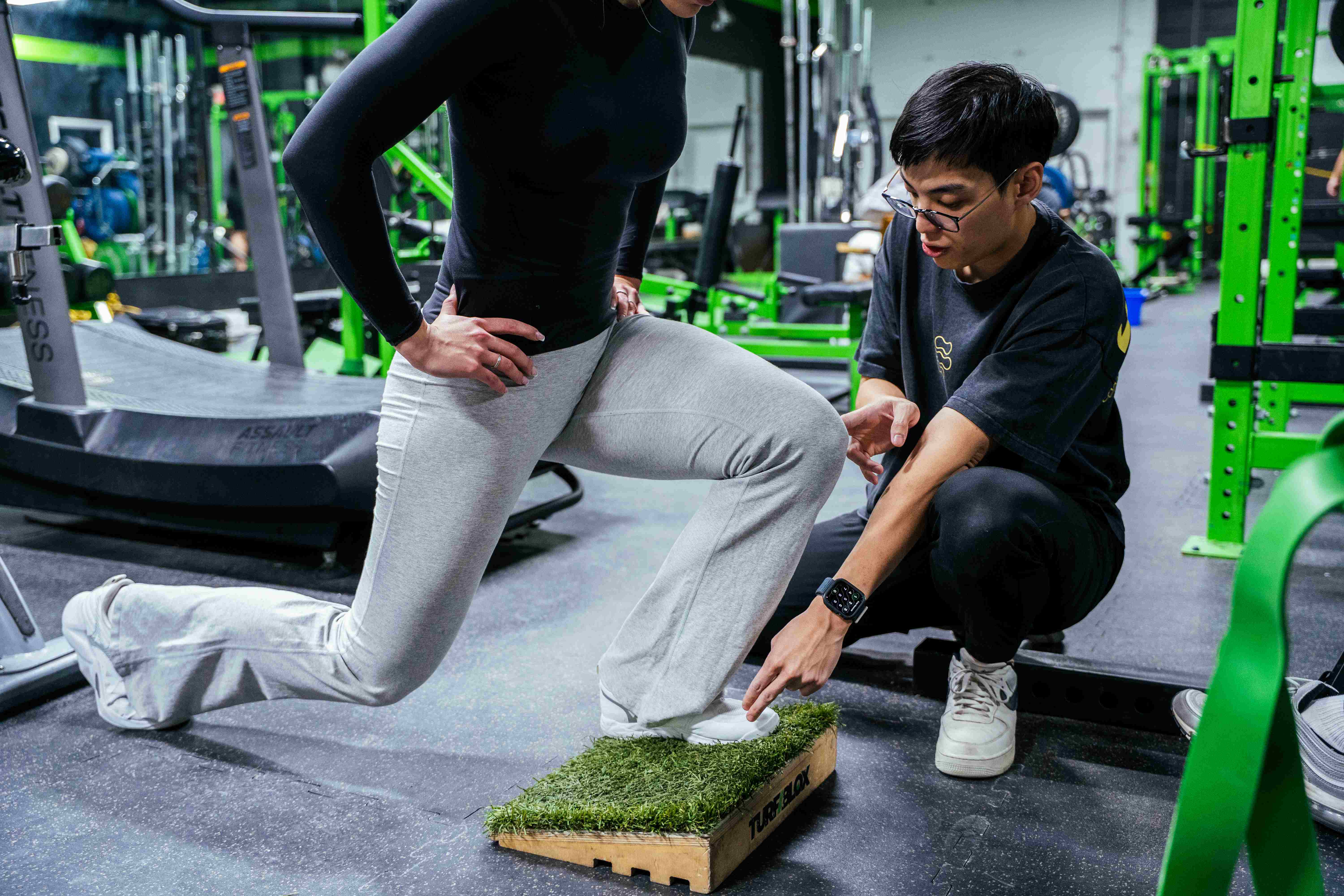
Strength is essential for handling daily physical tasks without unnecessary strain. Performance training develops functional strength that directly supports real-life movements such as lifting groceries, climbing stairs, or carrying objects. Instead of focusing only on muscle size, it emphasizes core stability, lower body strength, and upper body control to improve overall movement efficiency.
This balanced approach helps distribute force properly across the body, reducing pressure on joints and minimizing fatigue. As strength improves, individuals can perform tasks with better control and endurance. It also supports injury prevention by reinforcing proper movement mechanics. Over time, the body becomes more resilient, allowing daily physical demands to feel easier and more manageable even during longer or more active routines.
Enhancing Endurance and Energy Levels
Endurance plays a major role in sustaining an active lifestyle, especially for individuals who engage in regular physical activity. Performance training enhances both cardiovascular efficiency and muscular endurance, allowing the body to perform longer without excessive fatigue. It conditions the heart, lungs, and muscles to work together more effectively, improving oxygen delivery and energy usage.
As endurance builds, the body becomes more capable of handling continuous movement such as extended walking, training sessions, or physically demanding routines. This leads to more stable energy levels throughout the day and reduces early exhaustion. Improved endurance also supports mental focus and productivity, making it easier to stay active, alert, and consistent with daily physical and lifestyle demands without feeling drained quickly.
Supporting Faster Physical Recovery
Recovery is an important part of maintaining consistent physical performance and preventing burnout. Performance training supports faster recovery by improving circulation, mobility, and muscle activation, which helps the body repair itself more efficiently after physical activity. Better blood flow delivers nutrients to muscles more effectively, reducing stiffness and soreness.
It also encourages active recovery through controlled movement patterns that prevent the body from becoming too rigid. Over time, the body adapts better to physical stress, reducing the risk of overtraining and fatigue. This allows individuals to maintain a consistent routine without long breaks due to discomfort. Improved recovery also supports long-term progress by ensuring the body remains ready for the next training session or daily activity.
Improving Stability and Injury Prevention
Stability is essential for safe and controlled movement in both exercise and daily activities. Performance training strengthens stabilizing muscles, particularly around the core, hips, knees, and shoulders, which are responsible for maintaining balance and posture. When these muscles are weak, the body becomes more prone to imbalance and injury during sudden or dynamic movements.
Strengthening stability improves body alignment and movement control, allowing forces to be distributed properly across joints. This reduces unnecessary strain and lowers the risk of common injuries caused by poor mechanics. Better stability also enhances confidence in movement, especially during running, lifting, or directional changes. Over time, the body develops stronger support systems that allow safer and more efficient physical performance.
Increasing Mobility and Flexibility
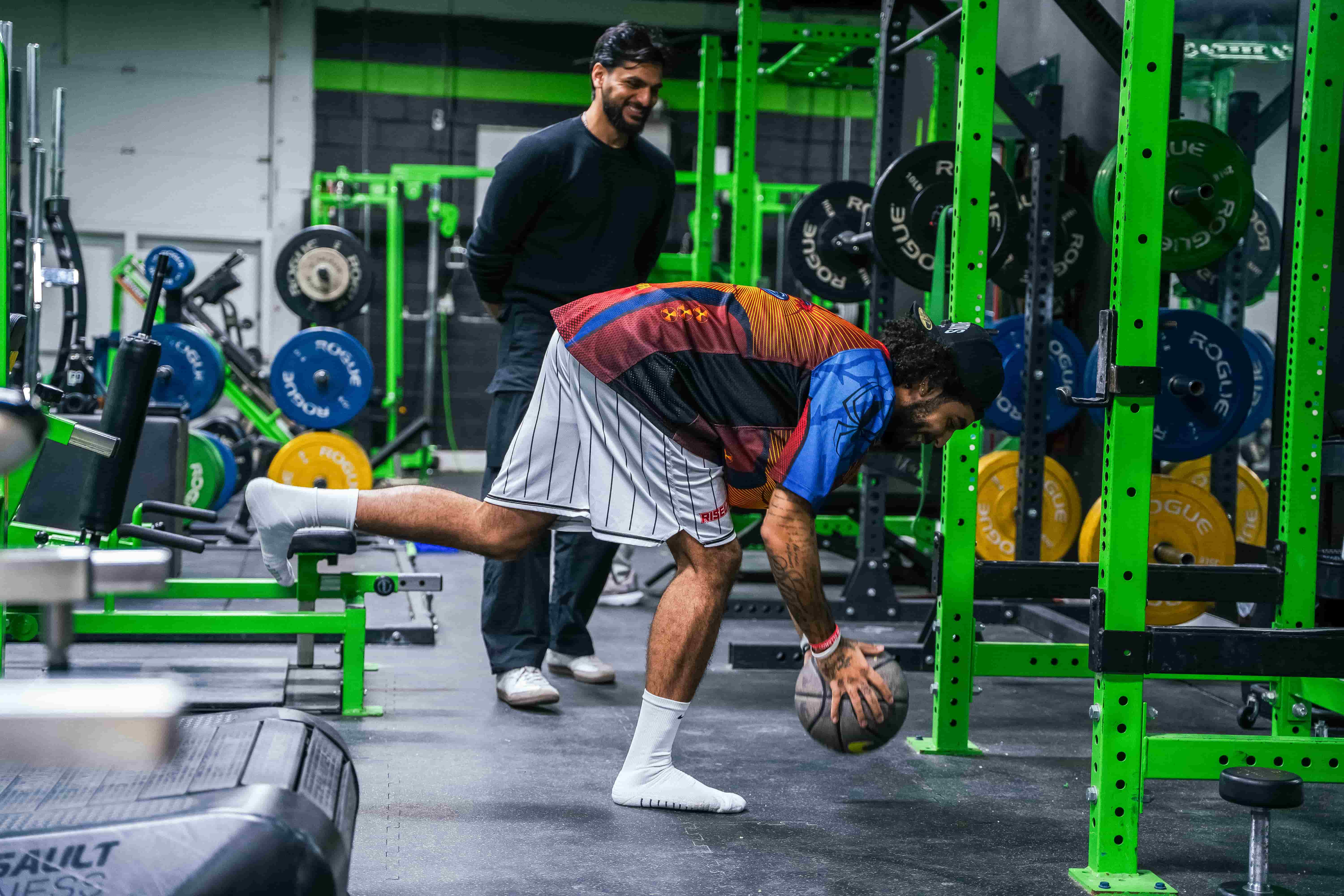
Mobility and flexibility are key components of healthy movement patterns. Mobility refers to joint range of motion, while flexibility relates to muscle length and elasticity. Performance training improves both by incorporating controlled movement drills that enhance joint function and reduce stiffness. This allows the body to move more freely and efficiently during physical activity.
Improved mobility reduces compensation patterns, where other muscles take over due to limited movement in certain areas. As flexibility increases, muscles become less tight and more responsive, supporting smoother movement transitions. This combination improves overall performance and reduces the risk of strain during activity. With consistent training, individuals experience better control, reduced stiffness, and improved movement quality in both exercise and daily routines.
Who Can Benefit from Performance Training
Performance training is suitable for a wide range of individuals, regardless of fitness level or experience. It is especially beneficial for people with active daily routines who want to improve strength, mobility, and energy levels. Office workers can also benefit by reducing stiffness caused by prolonged sitting and improving posture.
Beginners gain a structured foundation that helps them build safe and effective movement habits. Athletes use performance training to enhance speed, coordination, and overall physical output. It is also valuable for individuals focusing on long-term health, recovery, and mobility improvement.
How Performance Training Works in Practice
Performance training follows a structured system designed to improve movement quality, strength, and endurance in a balanced way. Sessions typically include functional strength exercises that support real-life movement patterns, along with mobility drills that enhance joint flexibility and control. Core stability exercises are also included to improve posture and balance, while conditioning work builds endurance and cardiovascular efficiency.
The training process is progressive, meaning intensity and complexity increase gradually as the body adapts. This ensures safe and sustainable development over time. Consistency is essential, as repeated practice reinforces proper movement patterns and strengthens physical conditioning.
Frequently Asked Questions
What is performance training and how does it work
Performance training is a structured method that improves strength, mobility, endurance, and coordination. It works by training the body through functional movement patterns that support real-life physical activity, enhancing overall efficiency, control, and physical resilience in daily movement and exercise routines.
Is performance training suitable for beginners
Yes, performance training can be adjusted for all fitness levels. Beginners can start with basic movement patterns and gradually progress as strength and control improve, ensuring safe development, better confidence, and improved body awareness throughout each stage of training.
How often should performance training be done
Frequency depends on individual goals, but most people benefit from two to four sessions per week for consistent improvement in strength and mobility, allowing the body enough recovery time while steadily building endurance, control, and overall physical performance.
Can performance training help with recovery
Yes, performance training supports better blood flow, mobility, and muscle activation, which can help the body recover more efficiently after physical activity, reducing stiffness, improving restoration speed, and maintaining readiness for continued training and daily movement demands.
Does performance training improve daily movement
Yes, it enhances functional strength and coordination, making everyday activities such as lifting, walking, and bending easier and more efficient, while also improving posture, stability, and overall movement quality for long-term physical comfort and reduced strain.
Conclusion
Performance training plays an important role in building a strong, balanced, and resilient body for active lifestyles. It supports better movement, improved strength, higher endurance, and faster recovery, all of which contribute to long-term physical performance. By focusing on functional movement patterns and consistent progression, performance training helps the body adapt to daily demands more efficiently.
Whether the goal is to improve fitness, prevent injury, or maintain an active routine, this structured approach provides a sustainable path toward better physical capability and overall well-being. For guided support in Mississauga, Revibe offers professional services tailored to individual needs. To learn more or book a session, you may contact 289-806-5123 for assistance in starting a performance-focused training plan designed for lasting results and improved movement quality.