
Performance Training for Strength Mobility and Endurance

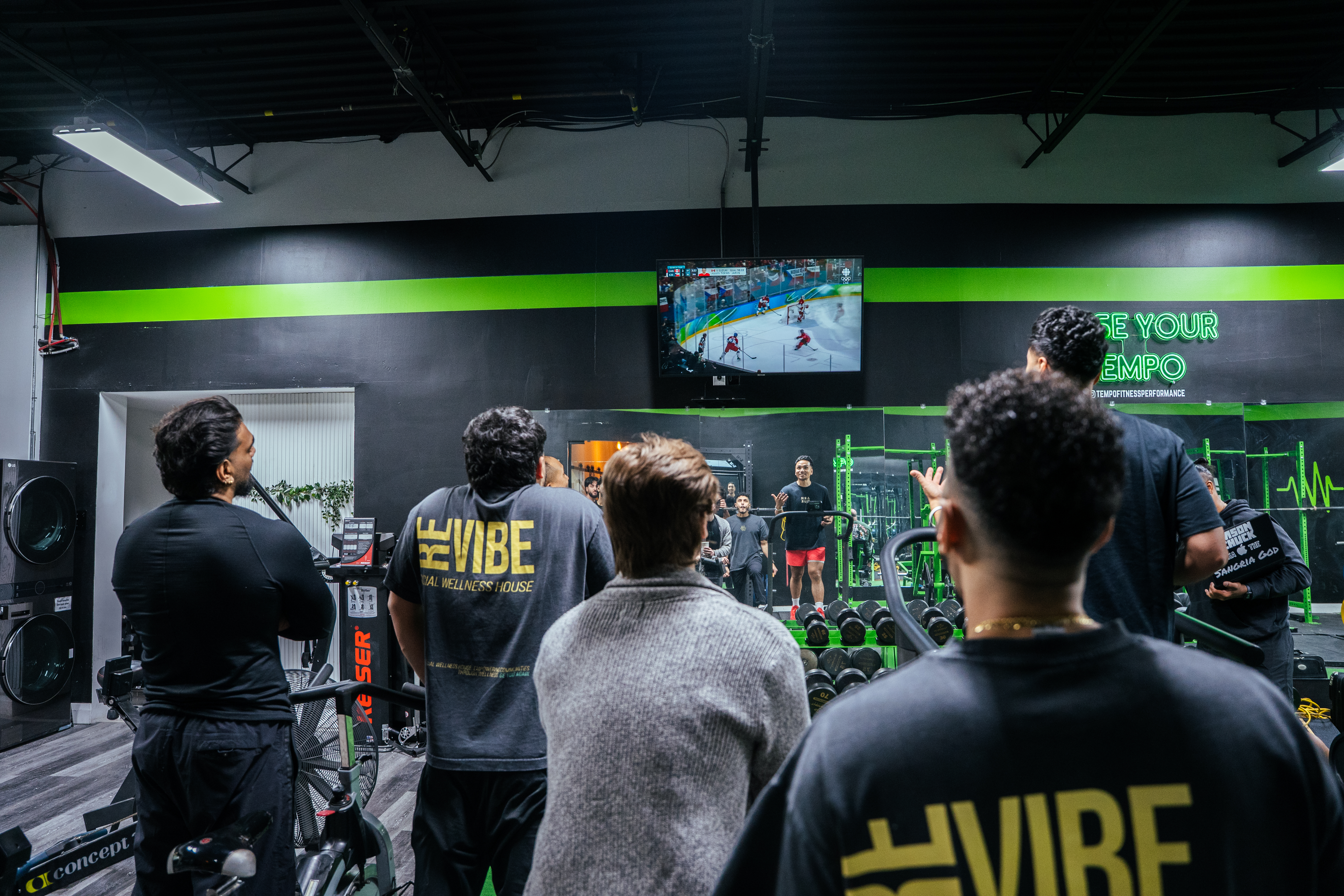
Building strength, improving mobility, and increasing endurance support a healthier and more active lifestyle. Whether you are an athlete, fitness enthusiast, or someone aiming to move better in daily activities, a structured approach helps you achieve better results. Performance training focuses on improving physical abilities through targeted exercises that develop power, flexibility, stability, and stamina. By combining strength work, mobility exercises, and endurance conditioning, it enhances overall performance, supports better movement patterns, speeds up recovery, and promotes long term physical health.
Benefits of Performance Training for Overall Fitness
A well structured fitness routine should support how the body functions in everyday life, not only how it looks. performance training focuses on improving physical capacity so the body can move, lift, and endure activity with greater efficiency. It develops multiple fitness qualities at the same time, including strength, coordination, mobility, and endurance.
This combination helps improve overall movement quality and reduces physical strain during daily tasks. It also supports better athletic output and long term physical resilience. As the body adapts to consistent training, individuals often notice improved energy levels, smoother movement patterns, and better control during physical activity. These improvements make performance training suitable for a wide range of fitness goals.
The Role of Strength in Physical Performance
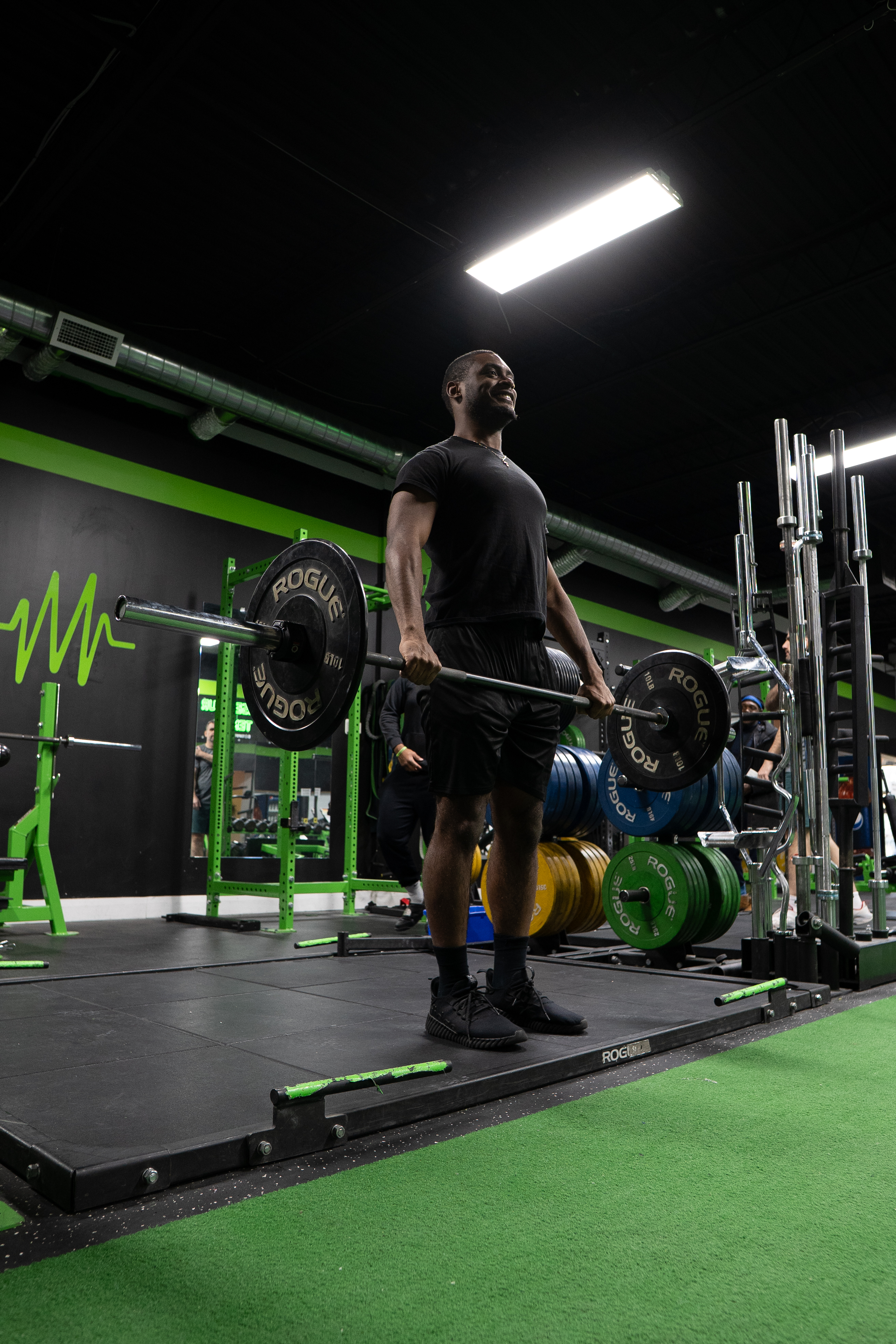
Strength is a core element of movement and physical capability. It allows the body to perform tasks such as lifting, pushing, running, and jumping with more control and less effort. In performance training, strength is developed through resistance based exercises that target major muscle groups and improve joint stability. This helps the body handle physical stress more efficiently and reduces fatigue during activity.
Stronger muscles also support better posture and alignment, which improves movement quality over time. As strength increases, individuals often experience improved balance, reduced injury risk, and greater confidence in physical tasks. It forms the foundation for more advanced training and overall functional fitness.
How Mobility Supports Better Movement and Flexibility
Mobility plays a key role in how freely and safely the body moves. It refers to the ability of joints to move through a full range of motion with strength and control. Unlike flexibility alone, mobility combines muscle length, joint function, and stability. In performance training, mobility work helps reduce stiffness and improves movement efficiency during exercise and daily activities.
Poor mobility can lead to compensations in movement, which may increase strain on muscles and joints. By improving mobility in areas such as the hips, shoulders, ankles, and spine, the body becomes more balanced and coordinated. This leads to smoother movement patterns and better overall physical performance.
Building Endurance for Daily Activities and Athletic Goals
Endurance is the body’s ability to sustain physical activity over time without excessive fatigue. It is essential for both athletic performance and everyday tasks that require continuous effort. performance training improves endurance through structured cardiovascular and conditioning exercises such as running, cycling, or circuit training. These activities strengthen the heart, lungs, and muscles, allowing the body to perform longer with greater efficiency.
As endurance improves, individuals often experience better stamina, increased energy levels, and faster recovery between activities. It also supports mental resilience during challenging workouts or physical demands. Developing endurance helps maintain consistent performance across different types of movement and physical effort.
Core Components of a Well Rounded Training Program
A balanced approach to fitness includes multiple training elements that work together to improve overall performance. Performance training typically combines strength development, mobility work, endurance conditioning, stability exercises, and recovery strategies. Strength training builds power and support for movement, while mobility work enhances joint function and flexibility.
Endurance conditioning improves stamina, and stability training helps control movement patterns and balance. Recovery practices allow the body to repair and adapt after physical stress. When these components are integrated into one program, the body develops in a more complete and functional way. This combination supports consistent progress and reduces the risk of imbalance or overtraining.
Common Factors That Limit Physical Progress
Progress in fitness can slow when certain habits or conditions interfere with training adaptation. One common issue is inconsistent exercise, which prevents the body from building long term improvements. Limited recovery time can also affect performance by causing fatigue and reducing energy levels. Poor movement mechanics may lead to inefficient exercise execution and unnecessary strain on the body.
Repeating the same workouts without variation can also slow adaptation and reduce results over time. Unrealistic expectations may lead to frustration and lack of consistency. Addressing these factors within a performance training routine helps improve results, supports steady progress, and encourages better long term physical development.
Recovery Practices That Support Long Term Results
Recovery is a vital part of any effective training routine because it allows the body to repair and adapt after physical stress. Without proper recovery, performance can decline and the risk of fatigue increases. Key recovery practices include quality sleep, which supports muscle repair and energy restoration, and proper nutrition, which provides essential nutrients for healing and strength development. Hydration helps maintain muscle function and overall physical balance.
Active recovery, such as light movement or stretching, improves circulation and reduces stiffness. Stress management also plays a role in physical recovery by supporting hormonal balance and mental wellbeing. Together, these habits enhance the benefits of performance training.

Adapting Performance Training for Different Fitness Levels
performance training can be adjusted to suit individuals at any stage of fitness, making it a flexible and inclusive approach. Beginners usually focus on learning proper movement patterns, improving mobility, and building basic strength foundations. This helps prepare the body for more advanced exercises. Intermediate individuals often progress into structured programs that increase intensity and include more endurance and strength development.
Advanced athletes may use specialized training methods that target sport specific performance, power, and conditioning. Adjusting training based on ability ensures safety, prevents overload, and supports consistent progress. This adaptability makes performance training suitable for long term development and continuous improvement across all fitness levels.
Frequently Asked Questions
What is performance training?
Performance training is a structured fitness method designed to improve strength, mobility, endurance, stability, and overall functional movement efficiency for daily activities.
Who can benefit from performance training?
People of all fitness levels benefit from performance training, including beginners, athletes, and active individuals seeking improved movement and physical health.
How often should performance training be performed?
Frequency varies based on goals, but performance training is commonly performed two to five times weekly for optimal strength and endurance development results.
Can performance training improve mobility and flexibility?
Yes, performance training improves mobility and flexibility through targeted exercises that enhance joint range, movement control, and overall physical coordination.
How does performance training support recovery?
Performance training supports recovery by integrating mobility work, rest periods, and structured programming that allows the body to repair and adapt efficiently.
Conclusion
Strength, mobility, and endurance each play an important role in physical health and performance. A balanced approach that develops all three areas helps individuals move better, perform more efficiently, and reduce the likelihood of injury. Performance training provides a structured framework for improving physical capabilities while supporting long-term fitness goals. By combining targeted exercise, proper recovery, and consistent effort, individuals can build a stronger foundation for everyday activities, recreational pursuits, and athletic performance.
At Revibe in Markham, programs are designed to support these goals through guided training and personalized care. For inquiries or appointments, contact 905-783-8423 to learn how structured performance training can support your fitness and recovery journey.