
Simple Fixes for Bad Posture Correction

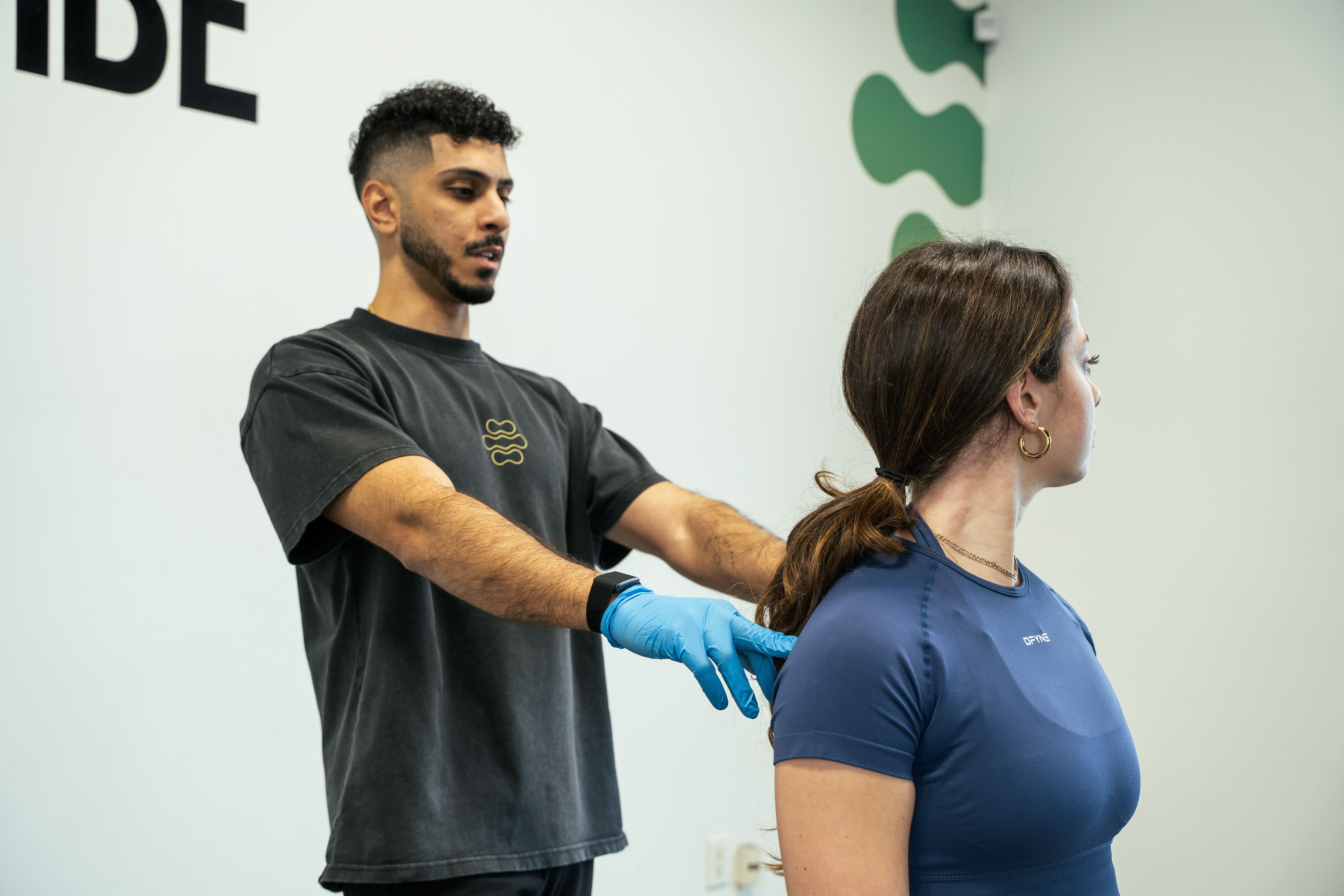
Poor posture affects more than your appearance; it can influence your comfort, energy, and overall health. Slouching, hunching, or uneven alignment can cause muscle tension, joint stress, and even long-term pain if left uncorrected. Small, consistent changes throughout the day can improve posture, increase mobility, and reduce discomfort. By learning how posture impacts your body and adopting simple habits, you can make bad posture correction achievable. With patience and practice, maintaining proper alignment can become a natural and sustainable part of daily life.
Understanding the Impact of Poor Posture
Poor posture affects more than just your appearance and can have serious consequences for your overall health. Constant slouching or hunching places strain on muscles and joints, which may lead to tension headaches, neck stiffness, back pain, and even shoulder discomfort. Over time, these misalignments can affect breathing, circulation, and energy levels, leaving you feeling tired or easily fatigued.
Beyond the physical effects, posture also influences mental well-being and confidence. Standing or sitting with proper alignment can improve mood, focus, and productivity. Recognizing how posture impacts your body and daily life is an essential step toward adopting habits that support long-term bad posture correction and overall wellness.
Adjusting Your Workstation for Better Alignment
Many posture issues start at your workspace. A desk or computer setup that doesn’t fit your body forces you to slouch or strain muscles. To improve alignment:
- Monitor Height: Position the monitor top at eye level to prevent neck strain. Proper height keeps your head aligned naturally, reducing tension.
- Chair Support: Use an ergonomic chair with lumbar support to maintain your spine’s natural curve. Proper support encourages upright posture and muscle engagement.
- Keyboard and Mouse Position: Keep elbows close and wrists straight when typing. This reduces strain on shoulders, arms, and wrists while supporting posture.
- Foot Position: Place feet flat on the floor or footrest to stabilize your lower body, prevent pelvic tilt, and maintain proper balance.
Small adjustments in your workspace prevent long-term issues and make daily bad posture correction easier.
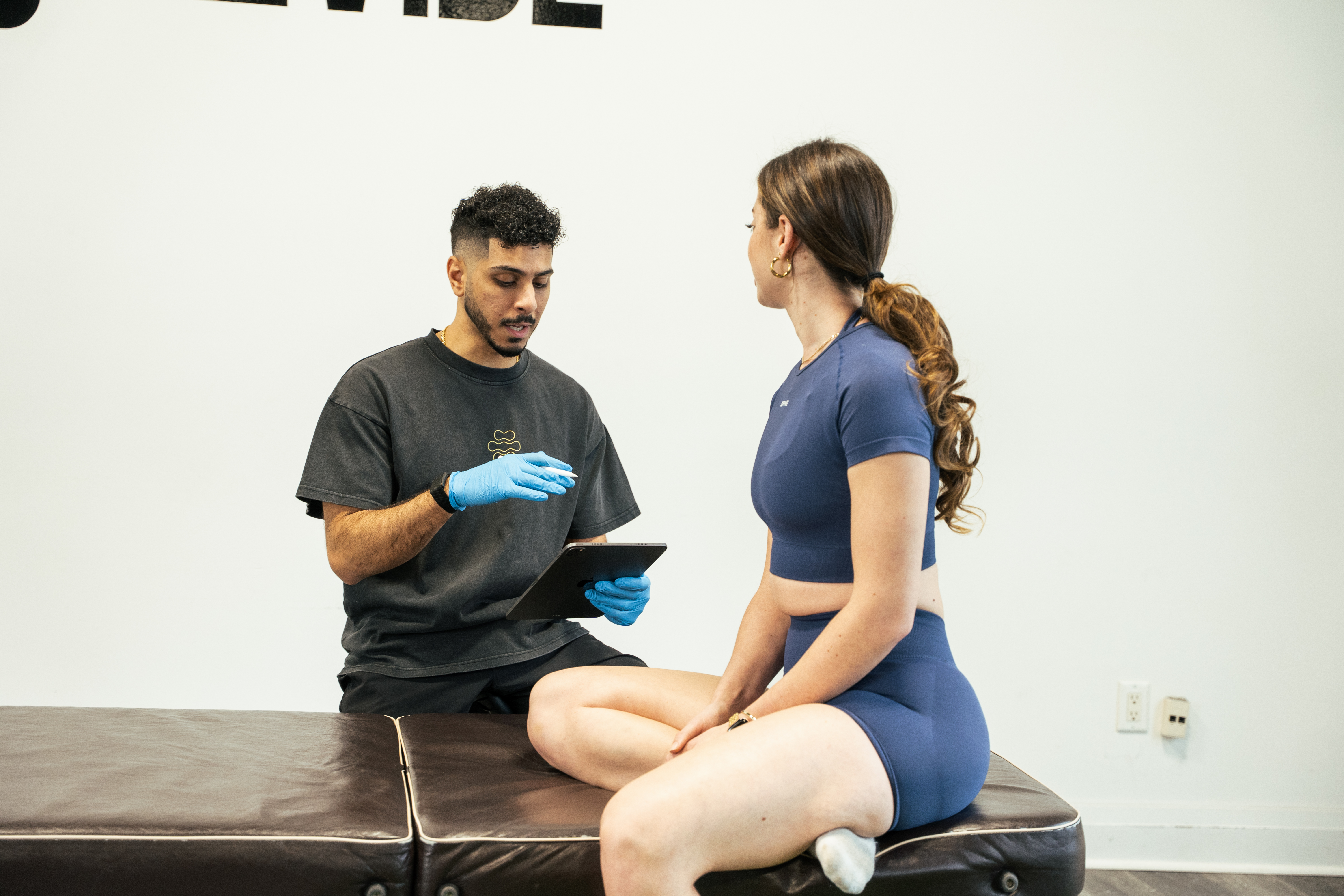
Daily Stretching to Relieve Tension
Stretching regularly helps release tight muscles and improve flexibility, making it easier to maintain proper posture. Focus on areas prone to stiffness:
- Neck: Gently tilt your head side to side and forward or backward. These movements relieve tension, reduce stiffness, and improve range of motion.
- Shoulders: Perform shoulder rolls, arm stretches, and blade squeezes to release tension. Regular stretching prevents tightness that leads to hunching or discomfort.
- Back: Practice cat-cow stretches, seated twists, and gentle back bends to maintain spinal mobility, reduce stiffness, and support proper posture.
- Stretching Routine: Short, frequent stretching sessions improve circulation, reduce fatigue, and reinforce habits that naturally support bad posture correction.
Aim for short sessions multiple times a day. Consistency is more effective than occasional long workouts. Adding quick stretching breaks can also improve blood flow and reduce fatigue from long hours of sitting.
Strengthening Core Muscles for Support
A strong core is essential for maintaining upright posture. Your core includes not only abs but also back and pelvic muscles, all of which stabilize your spine. Exercises to incorporate:
- Planks: Planks engage the abs, back, and shoulders while keeping the spine neutral. They strengthen stabilizing core muscles, improve endurance, and support better posture throughout daily activities and movements.
- Bridges: Bridges focus on the glutes, lower back, and hamstrings. Strengthening these muscles improves pelvic stability, supports spinal alignment, and helps maintain proper posture when standing, walking, or performing daily tasks.
- Dead Bugs: Dead Bug exercises train coordination between the core and limbs. They strengthen deep abdominal muscles, enhance spinal stability, and promote proper upright posture during a variety of daily activities.
Regular core exercises naturally maintain proper alignment and reduce the effort needed to sit or stand correctly, making bad posture correction easier.
Proper Sitting and Standing Habits
Even with strong muscles, habits play a huge role in posture correction. Key behaviors to adopt:
- Sit with hips pushed to the back of your chair and feet flat.
- Keep shoulders relaxed and avoid slumping.
- Stand tall with weight evenly distributed and ears aligned over shoulders.
- Avoid crossing legs for extended periods; it can tilt your pelvis.
Integrating these habits gradually prevents fatigue and reinforces muscle memory, making good posture automatic over time.
Using Supportive Accessories and Chairs
Ergonomic tools can make a noticeable difference in your posture journey:
- Lumbar Cushions: Lumbar cushions help maintain the natural curve of the lower spine while sitting. They reduce strain, promote proper alignment, and support comfortable posture during long hours of sitting.
- Adjustable Chairs: Ergonomic chairs can be customized to fit your height and body shape. They provide support for the spine, shoulders, and hips, promoting comfort and encouraging consistent, healthy posture alignment.
- Posture Correctors: Posture correctors offer gentle support, helping beginners align their shoulders and spine properly. They develop muscle awareness, reinforce correct positioning, and assist in forming daily posture habits naturally.
- Standing Desks or Desk Converters: Standing desks or converters allow alternating between sitting and standing while working. They encourage movement, reduce stiffness, improve spinal alignment, and support overall posture health during long workdays.
While accessories help, they should complement, not replace, active habits and exercises.
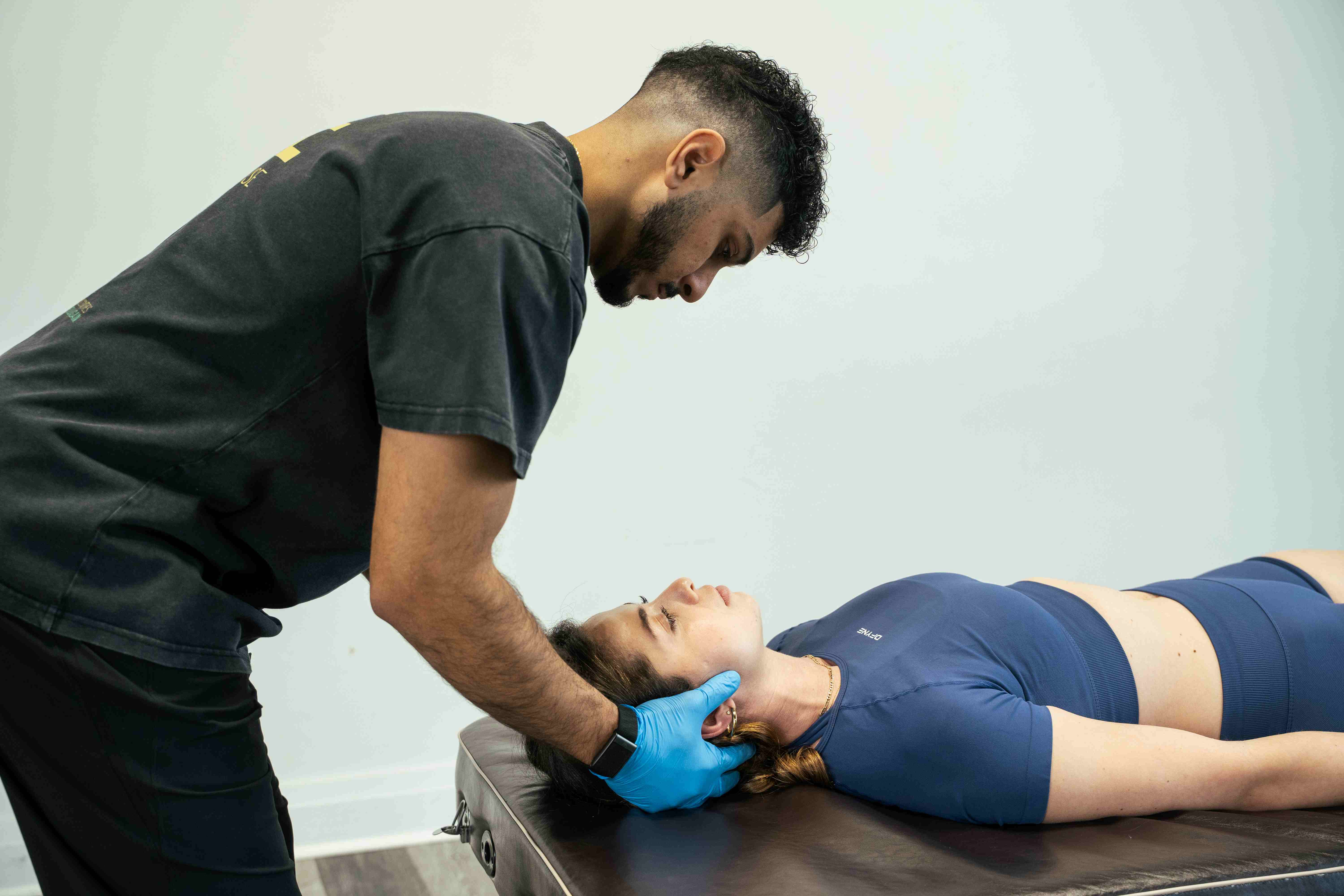
Incorporating Movement Breaks Throughout the Day
Remaining in one position for hours strains muscles and joints. Movement breaks relieve tension and promote circulation:
- Stand up and stretch every 30–45 minutes.
- Walk short distances in the office or home.
- Perform micro-movements like shoulder rolls, neck rotations, or calf raises.
Frequent movement keeps muscles engaged, prevents stiffness, and makes bad posture correction more sustainable and less tiring.
Maintaining Posture While Sleeping
Good posture doesn’t stop when you sleep. Your spine continues to rest in the positions you choose:
- Pillow Choice: Choosing a supportive pillow ensures your head and neck stay properly aligned with your spine, reduces morning stiffness, prevents cervical strain, and encourages restful, healthy posture throughout every night’s sleep.
- Mattress Support: A medium-firm mattress supports the natural curves of your spine, distributes body weight evenly, prevents sagging, reduces pressure points, and promotes long-term spinal health while maintaining proper posture consistently.
- Sleeping Positions: Sleeping on your side with a pillow between your knees or on your back with a pillow under your knees keeps the spine neutral and supports healthy posture while resting.
Proper nighttime alignment supports overall posture correction and prevents morning stiffness.
Frequently Asked Questions
What are the main causes of poor posture?
Long hours of sitting, poor workstation setup, weak muscles, and repetitive movements strain the spine and surrounding muscles, making bad posture correction challenging.
How long does it take to see improvement in posture?
Improving posture requires consistent effort. By practicing small daily changes, stretching, and strengthening exercises, most people notice visible improvement in their alignment and comfort within four to six weeks of regular practice.
Can posture correction reduce back pain?
Yes, correcting posture can relieve back pain. Aligning the spine properly and strengthening supporting muscles reduces tension, improves mobility, and helps prevent future injuries, promoting long-term comfort and overall spinal health.
Are posture braces necessary for correction?
Posture braces can provide temporary support, helping beginners maintain proper alignment. However, they should be used alongside active exercises and habit training, rather than replacing the essential work of strengthening muscles naturally.
How often should I practice posture exercises?
Daily practice is best for effective posture correction. Short sessions of stretching, strengthening, and mobility exercises consistently help develop muscle memory, improve alignment, and support long-term bad posture correction.
Conclusion
Correcting bad posture is not about quick fixes but creating consistent habits that support your spine and overall health. By incorporating daily stretches, strengthening core and back muscles, adjusting your workspace, and practicing proper sitting, standing, and sleeping positions, we make bad posture correction achievable.
Small, consistent changes combined with supportive accessories and active movement gradually improve alignment, reduce discomfort, and prevent long-term strain. For personalized guidance, visit Revibe in Mississauga or call 289-806-5123.
We provide professional advice on ergonomic setups, posture exercises, and tools designed to maintain proper alignment. Working with us helps you stay comfortable, mobile, and confident while achieving long-term improvements in posture and overall wellness.