

Care Map results
Your 3 focus areas
Recommended tools
Your main concern or goal
Ready to get started?
- Mississauga: (289) 806-5123
- Markham: (905) 783-8423
- revibeto.com
Follow us
- Instagram: @timetorevibe
- Facebook: Revibe
- LinkedIn: Revibe
Holistic physiotherapy for lasting pain relief
Chronic pain persists for three months or longer, affecting muscles, joints, or nerves and continuing after the original injury has healed. This condition limits movement, disrupts sleep, and interferes with work or recreation. At Revibe, chronic pain management integrates physiotherapy with complementary wellness services to optimize your path to recovery and performance.
Physiotherapy addresses chronic pain through structured exercise programs, manual therapy, and movement education. Patients strengthen weak areas, improve posture, and regain control of daily activities through consistent treatment. Physical therapy for chronic pain focuses on restoring function rather than eliminating symptoms entirely.
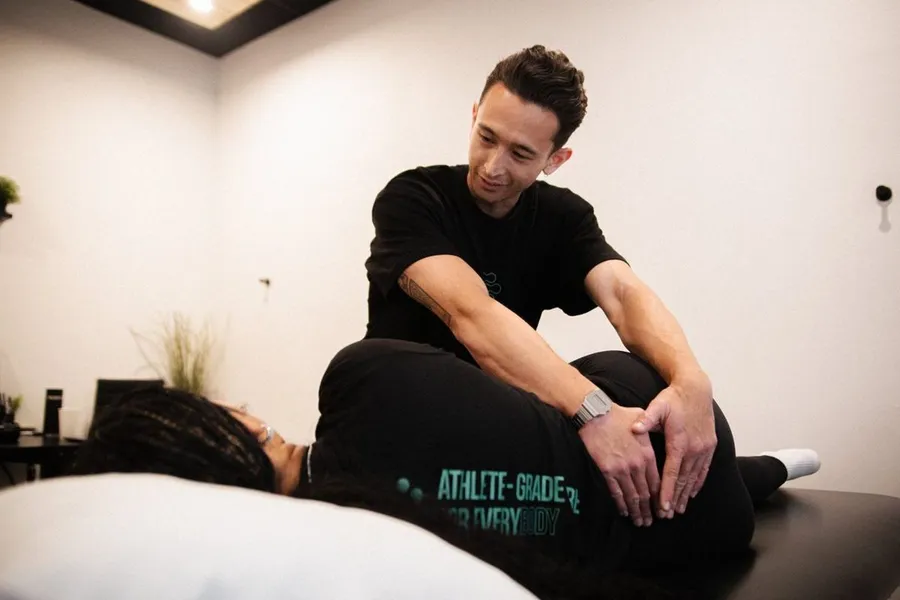
Chronic pain differs from acute pain. Acute pain occurs suddenly due to injury or surgery, with healing progressing and pain resolving within weeks. Chronic pain lasts three months or more and persists without an active injury. The condition requires structured treatment focused on restoring physical function and retraining movement patterns.
Multiple factors contribute to chronic pain development. Musculoskeletal conditions include back pain, neck pain, and arthritis. Lower back pain represents one of the most common reasons patients seek physiotherapy treatment in Mississauga. Injuries or post-surgical recovery can result in discomfort that continues after tissue healing. Neurological conditions involve nerve irritation or neuropathy. Lifestyle and posture factors such as repetitive strain or prolonged sitting create ongoing discomfort.
Ongoing pain limits mobility and strength. Work capacity decreases. Exercise becomes difficult. Daily tasks require more effort. The condition contributes to stress, anxiety, and poor sleep. This cycle reduces physical independence over time. Chronic conditions affect quality of life beyond physical symptoms. People with persistent pain often reduce social activities, modify work responsibilities, or stop hobbies they previously enjoyed.
Beginning treatment early produces better outcomes. If pain persists beyond six weeks despite rest and self-care, physiotherapy consultation becomes appropriate. Waiting months or years before seeking treatment often leads to movement compensations, muscle weakness, and increased disability. Referrals are not required to access physiotherapy in Ontario. Direct access allows patients to begin treatment without delays from medical appointments.
Our physiotherapists at Revibe treat a wide range of chronic pain conditions through evidence-based techniques at our Realign Therapy Clinic.
Chronic lower back pain from repetitive bending, lifting, or prolonged sitting creates muscle guarding and facet joint restriction. Neck pain develops when forward head posture loads the back of neck structures. Treatment includes core strengthening, flexibility work, and movement pattern correction. We specialize in minimizing muscle tension and joint pain while correcting movement imbalances.
Common scenarios Office workers with lower back pain after sitting, warehouse workers with lifting-related back strain, drivers with chronic neck tension, cervical disc issues and whiplash injuries.
Osteoarthritis in knees, hips, shoulders, and spine requires joint protection strategies and strength maintenance. Arthritis physiotherapy focuses on maintaining mobility while protecting affected joints. Treatment addresses joint mechanics related to pain and function while building strength in supporting muscles to reduce joint stress.
Common scenarios Older adults with hip or knee arthritis limiting mobility, standing workers with joint pain, patients seeking to avoid or delay surgery.
Nerve pain radiating into the leg improves with nerve gliding exercises and lumbar stabilization. Treatment reduces nerve irritation and addresses underlying mechanical issues. Manual therapy and specific exercises target the source of nerve compression while improving overall spinal mechanics.
Common scenarios Radiating leg pain from lower back, numbness or tingling in legs or feet, pain that worsens with certain positions or movements.
Widespread pain conditions require graduated exercise programs and pain management education. Gentle progression prevents symptom flare-ups while building tolerance. Integration with naturopathic medicine addresses systemic factors. Treatment emphasizes pacing strategies and self-management techniques.
Common scenarios Patients with multiple pain sites, fatigue and sleep disturbances, sensitivity to touch or pressure, difficulty with daily activities.
Chronic overuse injuries require load management and biomechanical correction. Treatment prepares athletes for safe return to sport and optimal performance. We address repetitive strain patterns and develop injury prevention strategies for long-term athletic health.
Common scenarios Runners with chronic knee or hip pain, tennis players with elbow issues, athletes with persistent shoulder or ankle problems.
Ongoing discomfort after surgery benefits from progressive rehabilitation and scar tissue management. Repetitive strain and ergonomic issues resolve through movement retraining and workplace modifications. Treatment restores function and addresses compensatory movement patterns that develop during recovery.
Common scenarios Post-operative pain that persists beyond expected healing, assembly line workers with wrist pain, office workers with repetitive strain, WSIB claims.
Our physiotherapists use evidence-based techniques tailored to your specific condition and goals. Each method addresses different aspects of chronic pain management:
Exercise programs target strength, flexibility, and endurance. Stretching reduces stiffness in tight muscles and connective tissue. Strengthening exercises support weak muscles to reduce stress on painful joints. Mobility exercises restore natural movement for daily activities. Progressive loading allows tissues to adapt gradually. Therapeutic exercise differs from general fitness training—your physiotherapist selects specific movements based on your condition, pain triggers, and functional goals.
Hands-on treatments address muscle tension and joint restrictions. Joint mobilization restores normal joint mechanics. Soft tissue massage reduces muscle tightness and enhances circulation. Myofascial release targets fascia restrictions that limit movement. Soft tissue therapy releases trigger points and reduces muscle guarding patterns. Manual techniques prepare tissues for exercise and improve movement quality during rehabilitation.
Poor posture and movement habits contribute to ongoing pain. Physiotherapists analyze body alignment during sitting, standing, and working. Training focuses on maintaining neutral spine positions, distributing weight evenly, and moving efficiently. Movement retraining addresses compensatory patterns developed to avoid pain. Workstation assessments can be arranged for patients whose pain relates to occupational factors.
Understanding pain mechanisms changes how patients respond to symptoms. Physiotherapists explain the difference between acute injury pain and chronic pain patterns. They teach pacing strategies to manage activity levels without triggering flare-ups. Self-care routines maintain progress between sessions. Pain education covers the neuroscience of chronic pain, factors that amplify or reduce symptoms, and strategies for managing flare-ups.
Heat therapy increases blood flow and reduces muscle tension. Cold therapy decreases inflammation and numbs acute discomfort. TENS uses electrical impulses to modify pain signals. Ultrasound therapy delivers sound waves deep into tissues to promote circulation. At Revibe, enhance your recovery with our Relax Thermal Spa amenities including contrast therapy with cold plunge and infrared sauna, plus lymphatic drainage boots.
Physiotherapy begins with a comprehensive assessment lasting 45-60 minutes. Your physiotherapist reviews your medical history, current symptoms, and treatment goals. The physical examination includes posture analysis, movement testing, and strength assessment. You discuss daily activities affected by pain and identify priorities for treatment.
Treatment programs begin based on evaluation results. The physiotherapist creates a customized wellness optimization plan combining exercise, manual therapy, and education. Session frequency depends on pain severity and functional limitations. Most patients attend physiotherapy once or twice weekly initially, with session frequency decreasing as symptoms improve and self-management skills develop.
Progress is tracked at each appointment. The physiotherapist measures changes in strength, range of motion, and pain levels. Objective measurements show progress—range of motion increases, strength test results improve, and functional movement screening demonstrates better patterns. At Revibe's Social Wellness House, we listen to your story to find your why and understand your needs. Once we discover your goals, you receive a wellness optimization plan that empowers you to become the best version of yourself.
Revibe Mississauga operates as a Social Wellness House—a full-service lifestyle club that combines manual therapy clinic, natural medical office, and thermal spa. This integrated model offers advantages for chronic pain management that set us apart.
Coordinated Care: Your physiotherapist collaborates with chiropractors, massage therapists, and naturopathic doctors under one roof. This synergistic approach addresses chronic pain from multiple angles simultaneously. Treatment plans may incorporate nutritional support, stress management, and lifestyle modifications alongside physiotherapy.
Enhanced Recovery Environment: Access to thermal spa amenities—cold plunge, infrared sauna, and lymphatic drainage boots—accelerates tissue healing and supports pain management between physiotherapy sessions. These wellness optimization tools complement your physiotherapy treatment plan and create an optimal environment for recovery.
Personalized Experience: Every treatment plan is tailored to your unique needs and goals. Healthcare professionals work together to diagnose, integrate, and concierge a world-class experience designed specifically for you. Over 10,000 happy clients and 500+ five-star reviews demonstrate the effectiveness of Revibe's approach to chronic pain management in Mississauga.
Between physiotherapy sessions, specific exercises maintain treatment gains. Practitioners demonstrate movements that address your particular restrictions. Postural modifications reduce mechanical stress on healing tissues.
Workstation ergonomics position monitors at eye level and keyboards at elbow height. Sleeping positions avoid extreme joint angles—side-lying with pillow support maintains neutral spine alignment. Lifting techniques engage hip and knee extensors rather than spinal erectors (use legs, not back).
Activity modification allows tissue adaptation without exceeding healing capacity. Graded exposure gradually increases load on recovering structures. Pain that subsides within two hours after activity indicates acceptable stress levels. Persistent pain signals tissue overload requiring activity reduction.
Treatment duration varies based on pain chronicity, condition severity, and individual response. Most patients attend 6-12 sessions over 2-3 months for initial improvement. Some chronic conditions require ongoing maintenance sessions after initial improvement. Your physiotherapist discusses expected timelines during the assessment based on your specific situation and wellness optimization goals.
Research demonstrates that multimodal physiotherapy approaches effectively manage chronic pain. Treatment reduces pain intensity, improves function, and enhances quality of life. Success depends on consistent participation, home exercise compliance, and active engagement in self-management strategies. Revibe's integrated approach—combining physiotherapy with complementary wellness services—optimizes outcomes for chronic pain management.
Chronic pain physiotherapy emphasizes long-term symptom management and retraining movement patterns. Treatment focuses on building capacity gradually over weeks or months. General physiotherapy often addresses acute injuries with shorter treatment timelines focused on tissue healing. Chronic pain programs incorporate pain neuroscience education and psychological coping strategies alongside physical interventions.
Extended health insurance plans typically include physiotherapy coverage. Most employer benefit plans cover physiotherapy services with varying limits. Coverage ranges from $300 to $1,500 annually depending on the plan. OHIP does not cover outpatient physiotherapy services in Ontario. Revibe offers seamless insurance direct billing for extended healthcare plans. Contact us at (289) 806-5123 to discuss payment options and verify your specific insurance coverage.
Ontario allows direct access to physiotherapists without physician referral. However, some insurance plans require medical referrals for coverage. Check your insurance policy details before booking. Direct access allows faster treatment initiation without waiting for medical appointments. You can book your session at Revibe online or call (289) 806-5123.
Physiotherapy session costs typically range from $80 to $120. Initial assessments cost more than follow-up sessions due to extended evaluation time. Many extended health insurance plans cover physiotherapy services. Revibe Mississauga offers seamless insurance direct billing. Contact us at (289) 806-5123 for specific pricing information and insurance questions.
Chronic pain rarely resolves completely. Physiotherapy aims to reduce pain intensity, improve function, and develop management strategies for long-term symptom control. Many patients achieve significant improvement and return to activities they previously avoided. The focus shifts from cure to effective management and functional restoration. Revibe's wellness optimization approach helps you become the best version of yourself despite chronic pain.
Wear comfortable, loose-fitting clothing that allows easy movement. Athletic wear works well. Your therapist may need to assess specific body areas, so dress in layers or bring shorts if treating lower body conditions. Avoid restrictive clothing like jeans or dress pants for treatment sessions. If you plan to use our thermal spa amenities after treatment, bring a bathing suit.
Temporary soreness following exercise or manual therapy is normal. This differs from worsening pain that persists beyond 24-48 hours. Your physiotherapist monitors symptoms and adjusts treatment intensity to prevent symptom exacerbation. Proper exercise dosing and progression prevents flare-ups while building tolerance. Our healthcare professionals communicate closely to ensure your treatment plan remains safe and effective.
Home exercise frequency depends on your specific program. Most patients perform exercises daily or several times per week. Your physiotherapist provides clear instructions on exercise frequency, repetitions, and progression. Consistency with home exercises accelerates improvement and maintains progress between sessions. Your wellness optimization plan includes strategies for integrating exercises into daily routines.
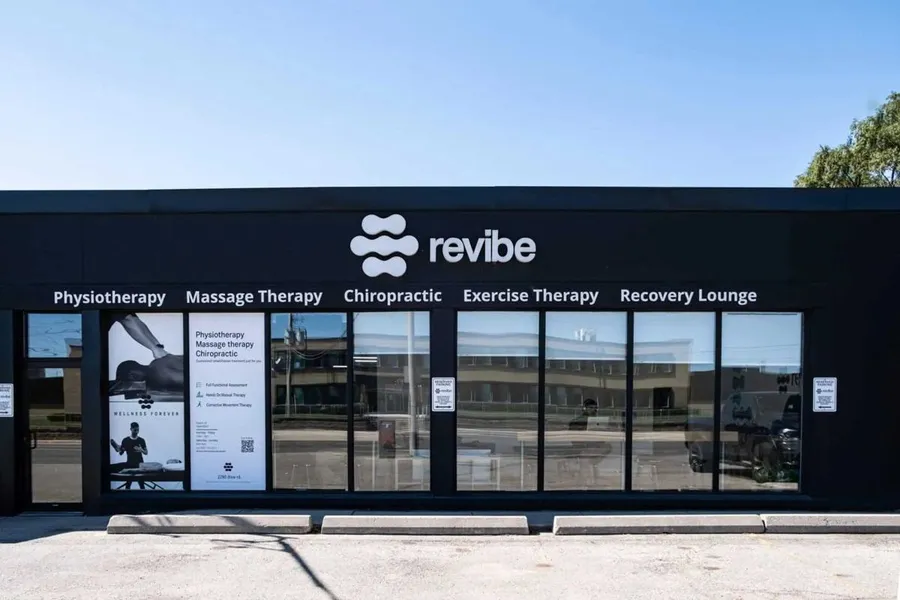
Pick your clinic. You book straight into Jane, our scheduling system, where you choose your practitioner and time.
 Mississauga 2290 Dixie Rd (289) 806-5123 Your clinic
 Markham 220 Torbay Rd (905) 783-8423 Your clinic
Not sure what to book? Take the Care Map or call Mississauga or Markham.

Tell us what you need and the team will call you back to book the right session.
Prefer to book yourself?
7 questions that reveal which areas of your body are ready to perform, which need attention, and exactly which tools can help you get back to feeling like yourself.
Tap a circle to learn more.
The best way to start improving these areas is with a first session where we review your Care Map and begin reducing the stress on your body.
Want to save these results? and we'll include a downloadable copy.
Tell us a bit about yourself and we'll have a clinician review your Care Map results before your first session.
The Revibe team will be in touch shortly. Your personalized Care Map summary is below, save or print it for later.
Your Care Map report is below
Care Map results
Your progress will not be saved.
The Care Map is how we understand your body clearly and completely. Instead of chasing symptoms, we look at what is limiting you right now and build a plan around it.
What it gives you
What your body can handle today. Some days you are ready to push, other days you need support first.
You may feel this if
Revibe tools that help
How well your body recharges. Effort only becomes progress when recovery happens.
You may feel this if
Revibe tools that help
How much stress your body is under: training, work, sleep and mental load. The goal is managing demand, not doing more.
You may feel this if
Revibe tools that help
What is happening inside your body. Internal systems drive healing, energy and adaptation.
You may feel this if
Revibe tools that help
What your body can sustain long term. Can it handle repeated effort without breaking down?
You may feel this if
Revibe tools that help
How you respond to pressure. Confidence and clarity shape consistency.
You may feel this if
Revibe tools that help