
 Anesto Charles
 Emily Wilson

Care Map results
Your 3 focus areas
Recommended tools
Your main concern or goal
Ready to get started?
- Mississauga: (289) 806-5123
- Markham: (905) 783-8423
- revibeto.com
Follow us
- Instagram: @timetorevibe
- Facebook: Revibe
- LinkedIn: Revibe
Gentle manual therapy for internal organ mobility
Many people experience tension, discomfort, or movement changes linked to internal restrictions. Visceral osteopathy focuses on how internal organs move and how these movements influence the rest of the body. Gentle manual techniques are applied to the abdomen, chest, and pelvis to restore natural motion and reduce strain between organs and surrounding tissues.
Revibe offers visceral osteopathy in Mississauga and Markham as part of a comprehensive osteopathic manual therapy approach.
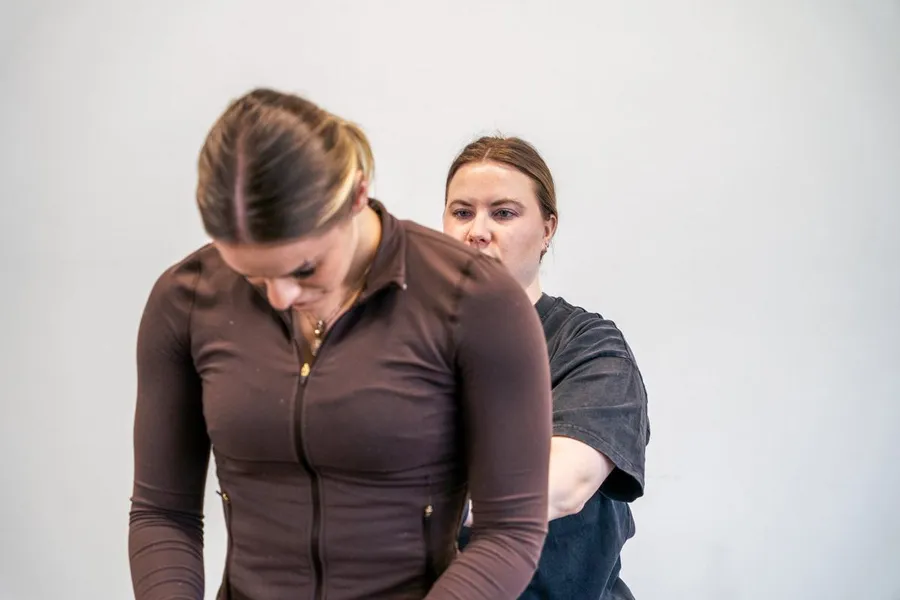
Visceral osteopathy—also called visceral manipulation or internal organ therapy—examines how restricted organ movement can affect posture, breathing, and muscle tension. Every organ moves slightly with each breath and body motion. When this mobility decreases, nearby muscles and joints often compensate, creating discomfort or altered movement.
Restrictions may result from surgery, inflammation, injury, or long-term postural habits. Reduced liver movement can tighten the right diaphragm and shoulder. Limited intestinal motion can strain the lower back. Pelvic organ tension may affect hip and sacral movement.
Practitioners assess organ motion by gentle palpation and use light manual osteopathic techniques to restore tissue flexibility. Treatment focuses on the fascia and ligaments that anchor organs to the skeleton and to each other.
Visceral manipulation uses soft, controlled pressure that follows the body's natural movements rather than forcing change. The practitioner evaluates how each area responds and adjusts the technique accordingly. Assessment includes tissue tension, organ mobility, fascial glide, and circulation patterns.
Improving organ mobility through abdominal treatment and fascial release can reduce fascial tension, improve circulation, regulate the nervous system, balance posture, and reduce pain. These effects develop gradually as tissues adapt and movement patterns normalize.
Visceral osteopathy and manual therapy techniques may be used as part of a treatment plan for several conditions.
Abdominal treatment addresses bloating, constipation, and sluggish digestion when mechanical restrictions contribute to symptoms. Post-surgical adhesions following appendectomy, C-section, hernia repair, or other abdominal surgeries often respond to fascial release techniques. Irritable bowel syndrome (IBS) cases with mechanical components may benefit from visceral manipulation alongside medical management.
Diaphragm restriction limits rib cage expansion and creates compensatory tension through the thoracic spine and neck. Treatment addressing diaphragm attachments, liver mobility (beneath the right diaphragm), and stomach position (beneath the left diaphragm) can improve breathing mechanics. Shallow breathing patterns often connect to thoracic and abdominal restrictions.
Pelvic floor treatment addresses dysfunction, urinary frequency, and bladder irritability that sometimes connect to organ positioning or fascial restrictions around pelvic organs. Menstrual discomfort, particularly when accompanied by back or hip pain, may relate to uterine position or ligament tension. Post-pregnancy recovery involves restoring abdominal and pelvic organ positioning.
Chronic back pain without a clear structural cause sometimes originates from visceral restrictions. Kidney attachments to the psoas muscles and lumbar fascia can create chronic tension. Postural imbalances that resist correction through exercise may also involve internal restrictions. Addressing these restrictions allows structural osteopathic work to produce lasting change.
Practitioners use various techniques to evaluate and treat visceral restrictions:
Practitioners evaluate tissue tension to identify where fascia feels tight or less elastic, check organ mobility to see if organs move freely during breathing and repositioning, test fascial glide to see how connective layers slide against one another, and feel for vascular pulse changes that may indicate restriction.
Gentle, sustained pressure is applied at tight areas until tissues release. This approach directly engages restrictions to encourage tissue lengthening and improved mobility.
Moving tissues in the direction of least resistance to reduce tension. This gentle approach allows the body to release restrictions naturally without force.
Subtle movement to restore natural organ rhythm. This technique works with the body's inherent motility to encourage normalized function.
Integrating visceral, structural, and cranial methods when restrictions affect multiple systems. This comprehensive approach addresses the interconnected nature of body systems.
Your practitioner reviews your medical and surgical history, posture, and breathing patterns. Treatment occurs through light clothing using comfortable positions. Pressure remains within your tolerance at all times.
You may notice temporary changes such as increased digestive activity, reduced muscle tension, fatigue or mild soreness that resolves within 24 hours, easier breathing or improved posture. Hydration and light movement such as walking help the body integrate treatment effects.
Initial visit: 60 minutes including health history and assessment. Follow-ups: 45–60 minutes depending on response. Frequency: Acute conditions may improve within 1–3 sessions; chronic patterns often need 4–8. Clothing: Wear loose, two-piece outfits for comfort and access to treatment areas. Aftercare: Drink water and avoid intense exercise for 24 hours.
Techniques use light pressure and should not cause pain. Areas with restriction may feel tender but remain comfortable. Practitioners adjust their approach if discomfort occurs.
Massage focuses on muscles using kneading and stroking. Structural osteopathy targets joints and alignment through mobilization. Visceral osteopathy works with organ mobility and fascial connections using lighter touch that addresses a different structural layer.
Yes. Techniques adapt to each trimester and avoid deep abdominal pressure. They help relieve ligament tension, support breathing, and improve comfort throughout pregnancy.
Most extended health plans in Ontario include osteopathy coverage, which applies to visceral, structural, and cranial techniques. Check your specific plan for coverage limits and requirements.
Response timing varies by individual. Acute restrictions often improve within 1–3 sessions. Chronic conditions may require 4–8 sessions, with gradual improvements in breathing, digestion, or posture developing over time.
Structural osteopathy focuses on the musculoskeletal system—joints, bones, muscles, and ligaments—using joint manipulation and soft tissue techniques. Visceral osteopathy addresses internal organs and their fascial attachments, improving organ mobility and reducing restriction. Most sessions integrate both for a comprehensive approach.
Visceral techniques may help with digestive concerns (bloating, IBS, post-surgical adhesions), respiratory patterns (diaphragm restriction, shallow breathing), pelvic issues (pelvic floor dysfunction, menstrual discomfort, post-pregnancy recovery), and musculoskeletal problems (chronic back pain, postural imbalances, limited rotation).
Research on visceral manipulation examines tissue mobility, pain reduction, and functional outcomes. Studies show benefits for chronic pelvic pain and constipation, though evidence remains more limited than for other manual therapies. Practitioners combine available research with osteopathic principles and clinical experience to guide treatment.
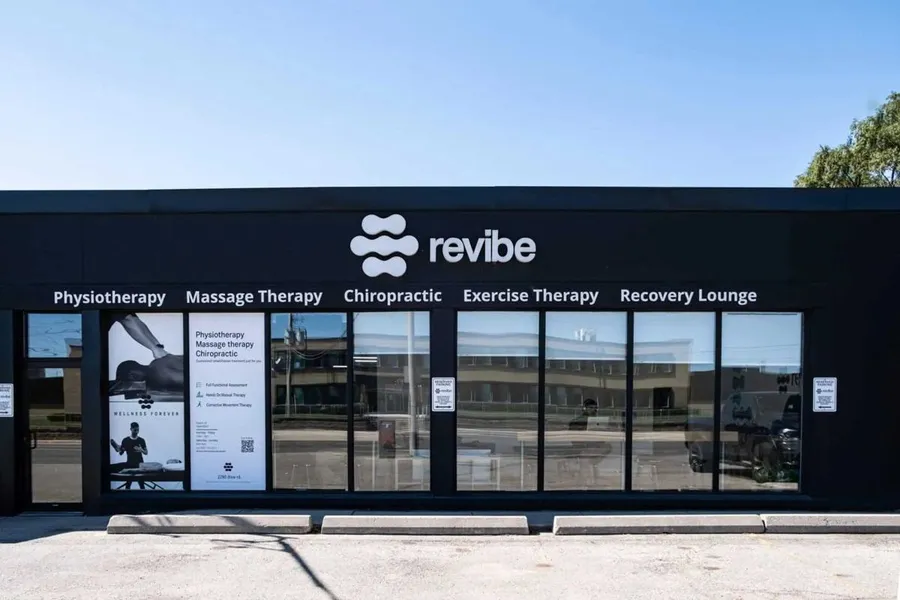
Pick your clinic. You book straight into Jane, our scheduling system, where you choose your practitioner and time.
 Mississauga 2290 Dixie Rd (289) 806-5123 Your clinic
 Markham 220 Torbay Rd (905) 783-8423 Your clinic
Not sure what to book? Take the Care Map or call Mississauga or Markham.

Tell us what you need and the team will call you back to book the right session.
Prefer to book yourself?
7 questions that reveal which areas of your body are ready to perform, which need attention, and exactly which tools can help you get back to feeling like yourself.
Tap a circle to learn more.
The best way to start improving these areas is with a first session where we review your Care Map and begin reducing the stress on your body.
Want to save these results? and we'll include a downloadable copy.
Tell us a bit about yourself and we'll have a clinician review your Care Map results before your first session.
The Revibe team will be in touch shortly. Your personalized Care Map summary is below, save or print it for later.
Your Care Map report is below
Care Map results
Your progress will not be saved.
The Care Map is how we understand your body clearly and completely. Instead of chasing symptoms, we look at what is limiting you right now and build a plan around it.
What it gives you
What your body can handle today. Some days you are ready to push, other days you need support first.
You may feel this if
Revibe tools that help
How well your body recharges. Effort only becomes progress when recovery happens.
You may feel this if
Revibe tools that help
How much stress your body is under: training, work, sleep and mental load. The goal is managing demand, not doing more.
You may feel this if
Revibe tools that help
What is happening inside your body. Internal systems drive healing, energy and adaptation.
You may feel this if
Revibe tools that help
What your body can sustain long term. Can it handle repeated effort without breaking down?
You may feel this if
Revibe tools that help
How you respond to pressure. Confidence and clarity shape consistency.
You may feel this if
Revibe tools that help